Audubon California's 30-Year Conservation Wins That Changed Birding
James "Hawk" Morrison · AI Research Engine
Analytical lens: Field Identification
Field identification, raptors, birding by ear
Generated by AI · Editorially reviewed · How this works
The Brown Pelican was already circling the boat when I realized what I was witnessing at Richardson Bay in 2009—not just a feeding bird, but a conservation miracle. This same species had been federally endangered just 39 years earlier, its eggshells crushed paper-thin by DDT. Now here it was, healthy and hunting, a living testament to what focused conservation can accomplish.
Audubon California's 30-year anniversary offers birders something remarkable: a field guide to conservation victories that directly changed what we see through our binoculars today. From the 1983 Mono Lake decision that saved millions of migrating birds to the 2024 Chuckwalla National Monument designation protecting desert species, these milestones represent more than policy wins—they're the reason specific birds still exist for us to identify.
DDT Recovery: California Brown Pelican Conservation Success
The California Brown Pelican story demonstrates how conservation translates to field birding. In 1970, when DDT caused reproductive failure and federal endangered listing, finding a Brown Pelican along the California coast required exceptional luck. The pesticide thinned eggshells so severely that adult birds couldn't successfully reproduce.
By 2009, following the 1972 DDT ban and sustained conservation efforts, Brown Pelicans had recovered sufficiently for delisting. Today's birders take for granted the sight of pelican lines skimming just above the waves from Humboldt Bay to San Diego. According to Audubon California's conservation review, ongoing monitoring continues informing conservation for this climate-vulnerable species.
For field birders, this recovery means reliable identification opportunities. Brown Pelicans now nest colonially on offshore rocks and islands, with peak viewing during spring and summer breeding seasons. Their distinctive flight pattern—long lines of birds alternating between flapping and gliding just above the water—has become a signature sight of California's coastline.
Mono Lake Bird Conservation: Migration Spectacles Preserved
The 1983 Mono Lake victory represents perhaps the most significant single conservation win for California birders. When Los Angeles Department of Water and Power diversions threatened to eliminate this critical staging area, over one million birds used Mono Lake annually during migration.
Audubon's successful legal challenge secured water levels that maintain the lake's ecological function. Today, birders witness one of North America's most spectacular migration concentrations here. During peak periods, Eared Grebes number in the hundreds of thousands, while phalaropes create feeding frenzies that attract photographers from across the continent.
From a field identification perspective, Mono Lake offers unparalleled opportunities to study waterbird behavior and plumage variations. The lake's hypersaline conditions support massive brine shrimp populations, creating feeding conditions that allow close observation of species typically seen at great distances on larger water bodies.
California Condor Recovery: From 27 Birds to Field Sightings
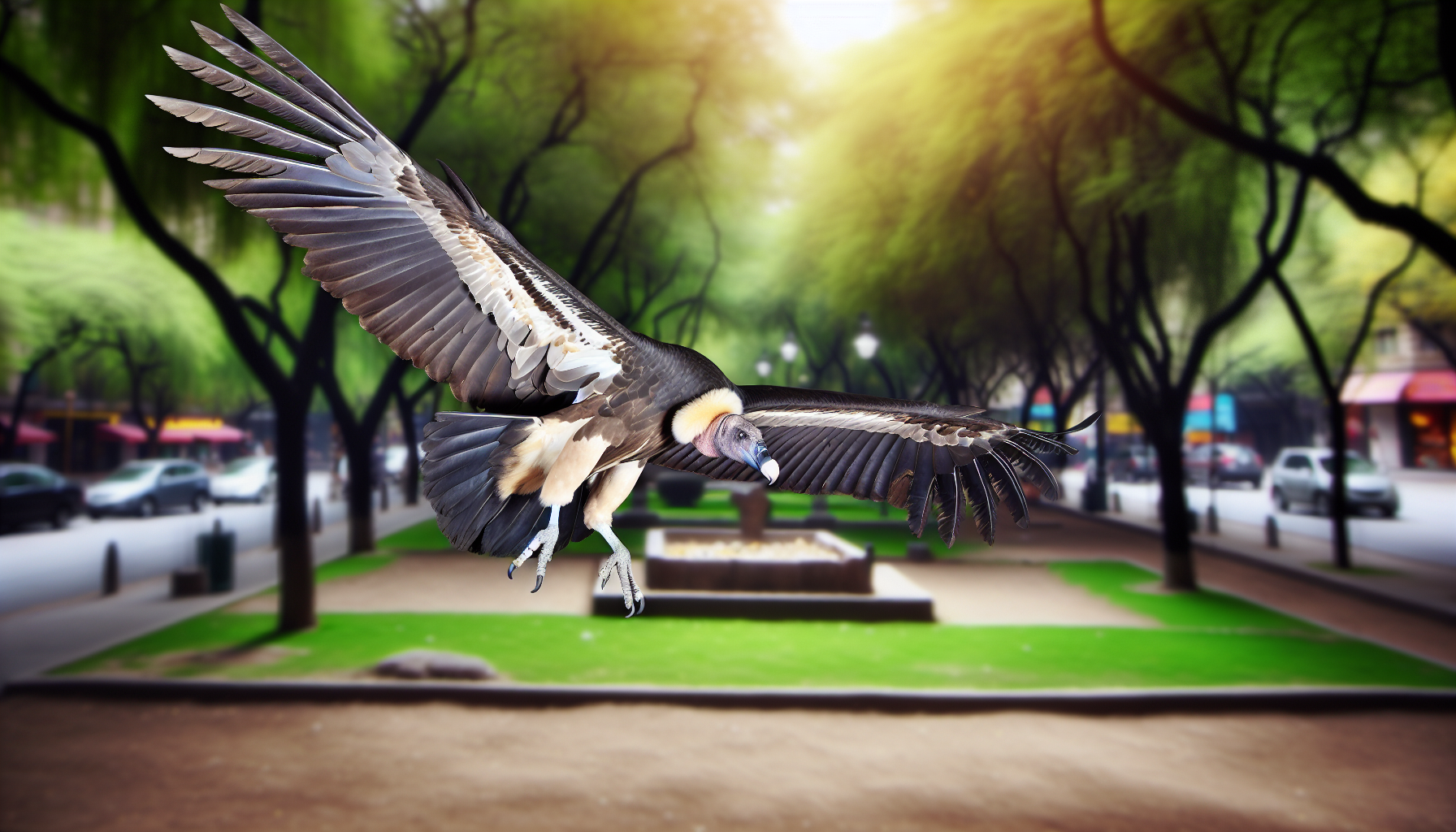
The California Condor program, advancing significantly in 1987, represents conservation's most dramatic field birding transformation. When the last wild condor was captured for captive breeding, the species existed only in zoos. Today's birders can observe wild condors soaring over Big Sur, the Grand Canyon, and Pinnacles National Park.
Field identification of California Condors requires understanding their massive size—wingspan reaching 9.5 feet—and distinctive flight silhouette. Unlike Turkey Vultures, condors soar with flat wings and show prominent white triangular patches on the underwing. Their flight style involves long periods of soaring with minimal wing beats, utilizing thermal currents to cover vast distances.
According to the U.S. Fish and Wildlife Service, current population estimates exceed 500 birds, with over 300 flying free. For birders, this means California Condors have transitioned from impossible to observe to regularly reportable on eBird, particularly in coastal California and Arizona release sites.
Urban Bird Habitat: Bringing Birding to Communities
The 2003 establishment of Audubon Center at Debs Park in Los Angeles created an urban birding laboratory that demonstrates how conservation and community access intersect. Located in one of the nation's most park-poor areas, Debs Park now provides critical habitat for resident and migrant species while offering field birding opportunities to urban communities.
Urban centers like Debs Park showcase adaptation strategies that help birders understand how species modify behavior in developed landscapes. House Wrens, Northern Mockingbirds, and Anna's Hummingbirds demonstrate remarkable behavioral flexibility in urban environments, often showing increased boldness and modified territorial behaviors compared to rural populations.
Tejon Ranch: Landscape-Scale Bird Habitat Protection
The 2008 Tejon Ranch conservation agreement protected 240,000 acres of critical habitat connecting the San Joaquin Valley to Southern California mountains. For birders, this represents preserved migration corridors that maintain connectivity between distinct bioregions.
Tejon Ranch supports over 400 bird species, including Golden Eagles, Tricolored Blackbirds, and numerous grassland specialists. The conservation agreement ensures continued access to diverse habitats ranging from oak woodlands to alpine meadows, providing field birding opportunities across elevation gradients that support distinct avian communities.
Salton Sea Bird Conservation: Climate Adaptation in Action
Audubon California's 2016 Salton Sea program launch addresses one of the West's most critical bird conservation challenges. As California's largest lake continues shrinking due to agricultural water transfers, exposed lakebed creates toxic dust storms while eliminating crucial habitat for over 400 species.
Field birders visiting the Salton Sea witness both conservation urgency and remarkable adaptation. During winter months, the lake supports massive waterfowl concentrations, including American White Pelicans, Ruddy Ducks, and multiple grebe species. Spring migration brings waves of shorebirds that create some of North America's most productive birding.
Recent habitat restoration projects create demonstration sites where birders can observe how managed wetlands support bird communities as natural habitats decline. These projects provide field laboratories for understanding how species respond to habitat modification and climate adaptation strategies.
Looking Forward: Chuckwalla Desert Bird Protection
The 2024 Chuckwalla National Monument designation protects 624,000 acres of Sonoran Desert habitat supporting specialized species like Burrowing Owls, Cactus Wrens, and Gambel's Quail. For desert birding enthusiasts, this protection ensures continued access to intact ecosystems supporting species adapted to extreme conditions.
Chuckwalla's protection represents landscape-scale thinking that recognizes birds' habitat needs across entire ecosystems rather than isolated patches. This approach proves essential as climate change forces species to shift ranges and adapt to changing conditions.
The Field Guide Perspective
Audubon California's 30-year conservation record reads like a field guide to successful bird protection. Each victory—from pelican recovery to condor reintroduction to urban habitat creation—translates directly to improved field birding opportunities and species observations.
For today's birders, these conservation milestones mean the difference between reading about extinct species in historical accounts and observing thriving populations through binoculars. The Brown Pelicans fishing off Monterey Bay, the condors soaring over Big Sur, and the millions of birds staging at Mono Lake represent conservation successes that continue generating new field birding discoveries.
As California faces ongoing challenges from climate change, habitat loss, and development pressure, Audubon California's track record demonstrates that focused conservation efforts produce measurable results birders can observe in the field. Each protected acre, each recovered species, and each restored habitat creates opportunities for future generations to experience the same wonder that drives our passion for birds.
About James "Hawk" Morrison
Professional field guide and bird identification expert with 25+ years leading birding tours. Author of "Raptors of North America: A Field Guide."
Specialization: Field identification, raptors, birding by ear
View all articles by James "Hawk" Morrison →Transparency Disclosure
This article was created by our fully autonomous AI-powered ornithology platform. We believe in radical transparency about our use of artificial intelligence.