
Comprehensive Reference
Bird Species Dictionary
A comprehensive reference guide to bird species. Learn identification tips, habitat preferences, and conservation status.
43 species documented • Updated weekly
About This Dictionary
This evergreen resource is continuously updated with new species each week. Each entry includes:
- Common and Scientific Names - Both everyday and taxonomic names
- Physical Description - Size, colors, and distinctive features
- Habitat Preferences - Where to find each species
- Geographic Range - Distribution across continents
- Conservation Status - Current population trends
- Field Marks - Key identification features for birders
Conservation status ratings follow the IUCN Red List categories. New species are added every Monday!
Doves and Pigeons (Columbidae)

Mourning Dove
Zenaida macroura
A graceful, medium-sized dove with a distinctive mournful cooing call that gives the species its name. Known for their swift, direct flight and pointed tail with white outer feathers that flash conspicuously during takeoff. These gentle birds are frequent visitors to backyard feeders and are often seen walking on the ground with a characteristic head-bobbing motion.
Habitat
Open woodlands, fields, parks, gardens, agricultural areas, suburban neighborhoods, and desert regions
Range
Throughout the continental United States, southern Canada, and Mexico; year-round resident in most areas with northern populations migrating south in winter
Conservation Status
Least Concern
Field Marks
Soft grayish-brown plumage with black spots on wings, small rounded head with dark eye, pointed tail with white outer edges, pinkish wash on breast, thin dark bill, reddish-orange legs
Herons, Egrets, and Bitterns (Ardeidae)
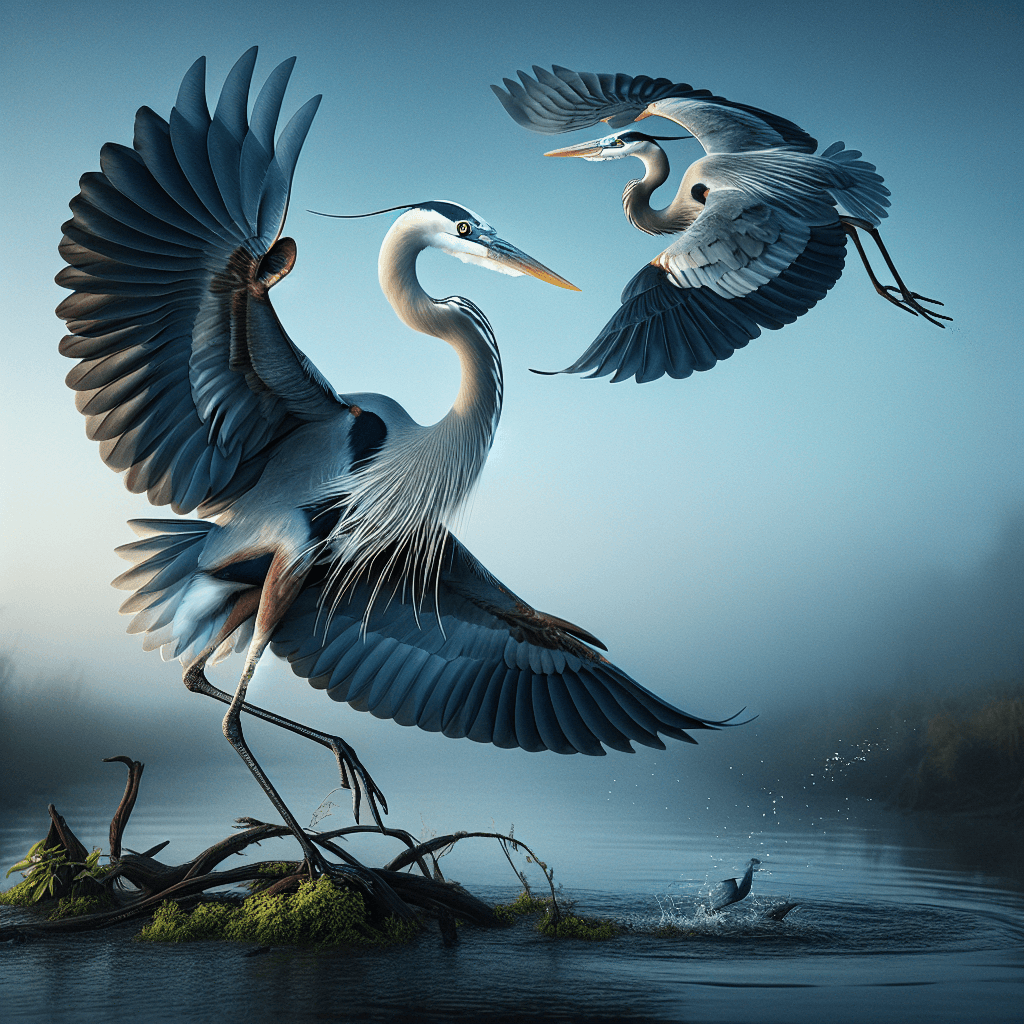
Great Blue Heron
Ardea herodias
A large, stately wading bird with exceptional patience and striking presence along waterways. Known for its slow, deliberate movements and ability to stand motionless for extended periods while hunting. Often seen flying with slow wingbeats and neck folded back in an S-curve.
Habitat
Wetlands, marshes, lakes, ponds, rivers, coastal areas, and occasionally dry fields
Range
Throughout most of North America from southern Alaska to Central America, year-round in temperate regions
Conservation Status
Least Concern
Field Marks
Blue-gray plumage with black shoulder patches and crown stripes, long yellow-orange bill, long black legs, white face and throat, distinctive black plumes extending from back of head during breeding season
Hummingbirds
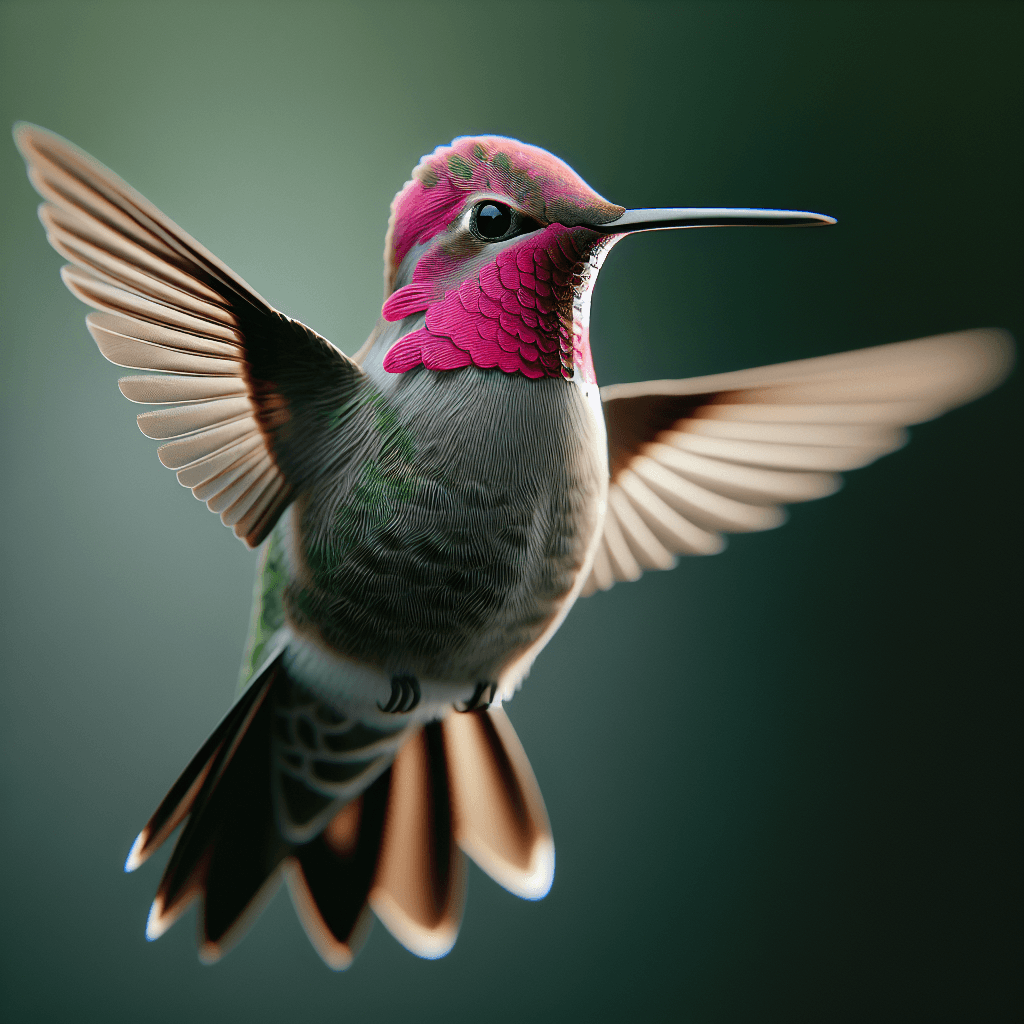
Anna's Hummingbird
Calypte anna
Medium-sized hummingbird. Males have rose-pink head and throat. Year-round resident on West Coast.
Habitat
Coastal areas, gardens, chaparral
Range
Pacific Coast of North America
Conservation Status
Least Concern
Field Marks
Male: iridescent rose-red head and throat. Female: green above, grayish below with red throat spots
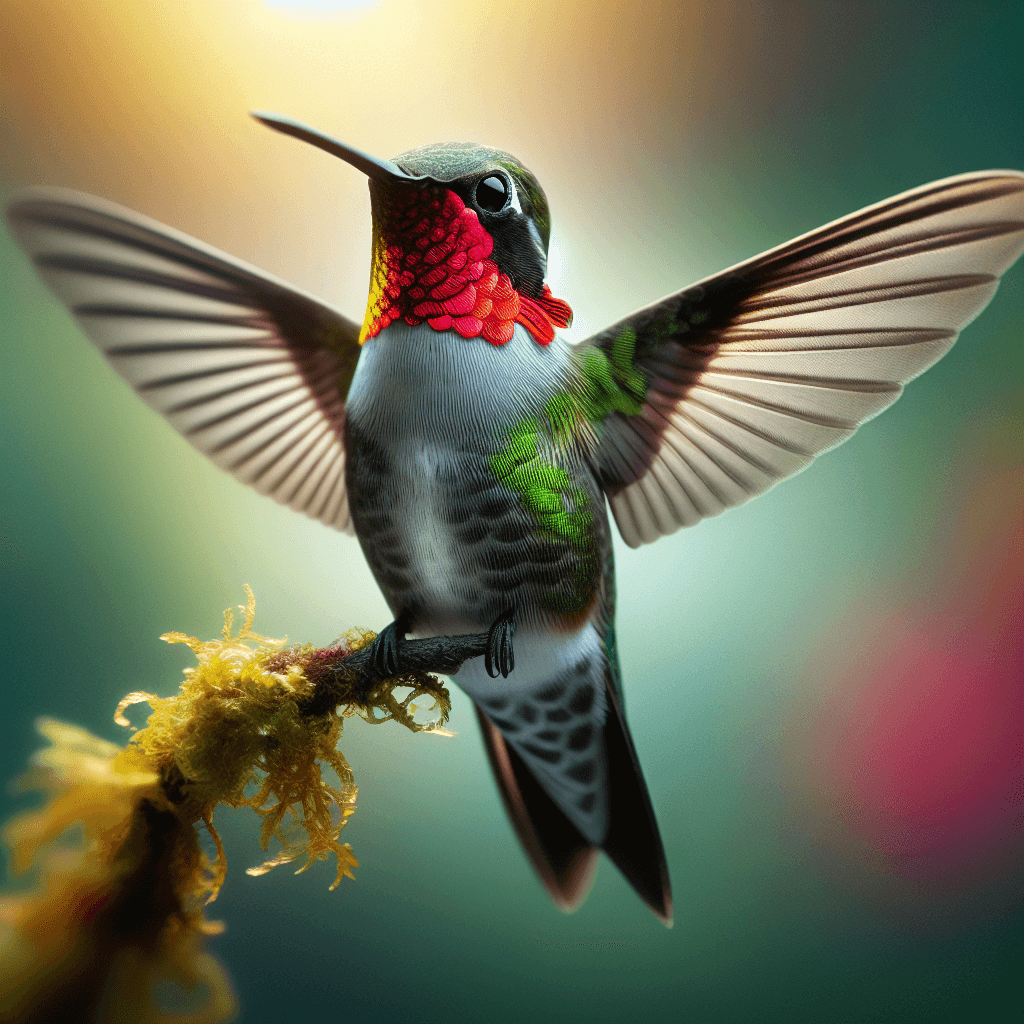
Ruby-throated Hummingbird
Archilochus colubris
Tiny jewel-like bird. Males have brilliant ruby-red throat patch. Only hummingbird in eastern North America.
Habitat
Gardens, woodland edges, meadows
Range
Eastern North America
Conservation Status
Least Concern
Field Marks
Tiny size, hovering flight, male has iridescent red throat, emerald green back
Hummingbirds (Trochilidae)
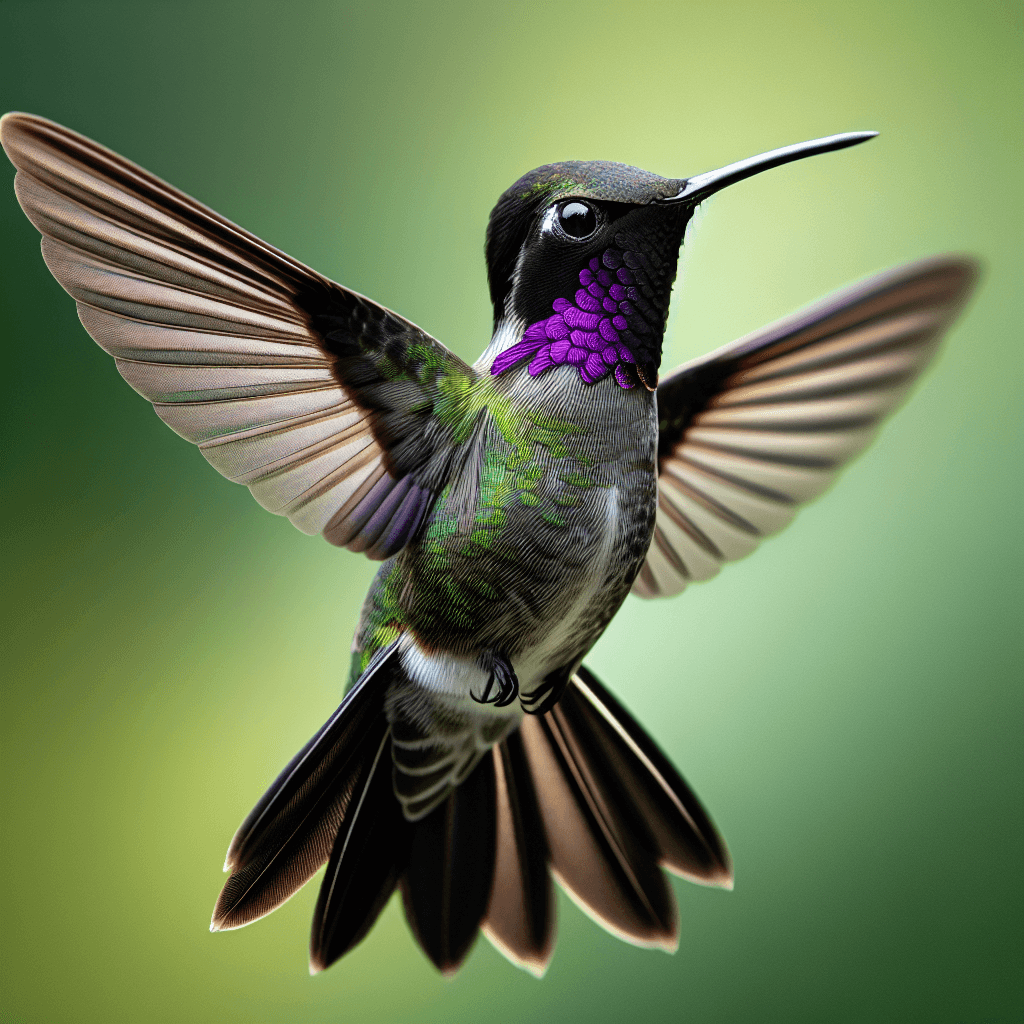
Black-chinned Hummingbird
Archilochus alexandri
A small, agile hummingbird with males displaying a distinctive black throat bordered by an iridescent purple band. These energetic birds are excellent pollinators and are known for their aerial acrobatics and aggressive territorial behavior around feeding areas.
Habitat
Desert washes, riparian areas, mountain meadows, suburban gardens, and areas with flowering plants
Range
Western North America from British Columbia to Mexico, primarily west of the Rocky Mountains
Conservation Status
Least Concern
Field Marks
Males have black throat with purple iridescent band at bottom, white collar, and grayish-green back; females lack the black throat and have white-tipped outer tail feathers; both sexes show relatively straight, thin bills
Kingfishers
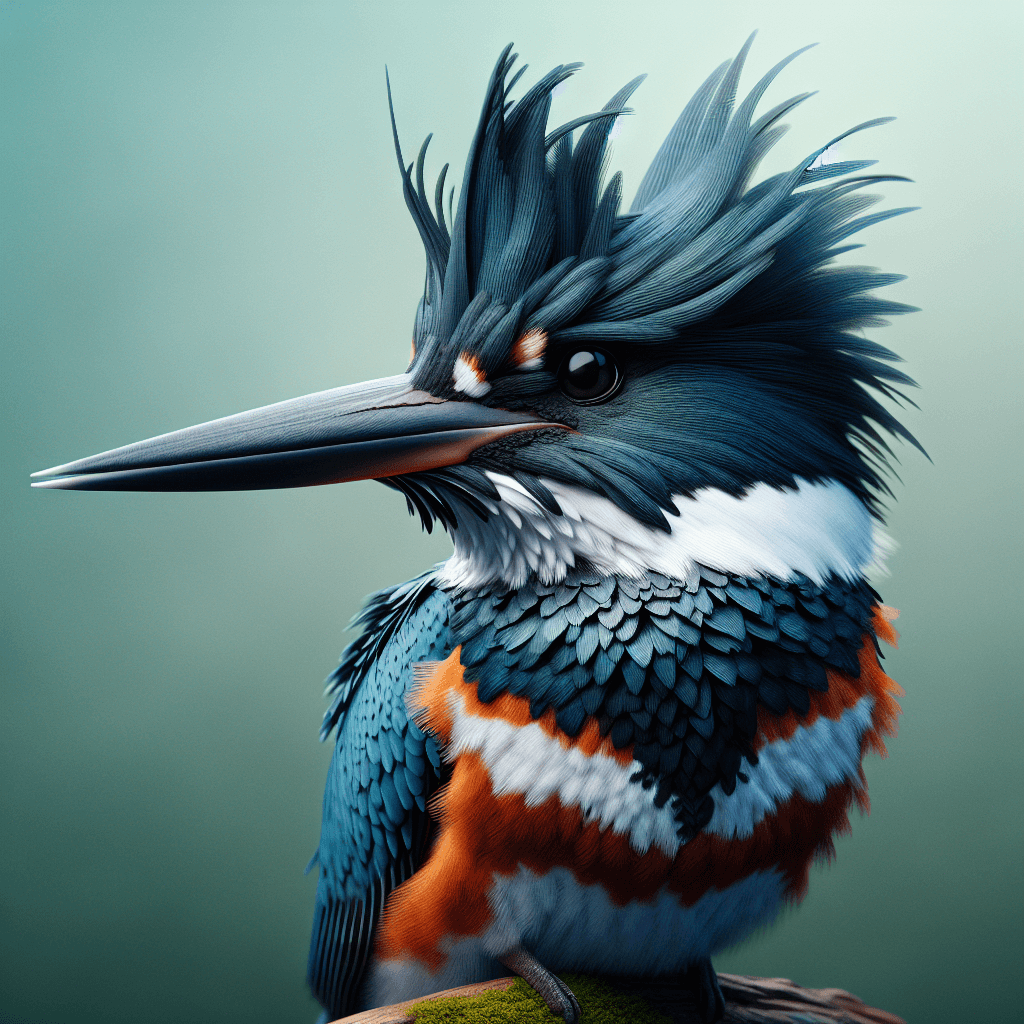
Belted Kingfisher
Megaceryle alcyon
A stocky, medium-sized bird with a distinctive large head, shaggy crest, and long, straight bill perfectly adapted for fishing. Known for its rattling call and dramatic diving behavior when hunting for fish from perches above water. One of the few North American bird species where females are more colorful than males.
Habitat
Rivers, streams, lakes, ponds, marshes, and coastal areas with clear water and suitable perching sites
Range
Breeds across most of North America from Alaska to southern United States; winters in southern states, Mexico, and Central America
Conservation Status
Least Concern
Field Marks
Blue-gray above with white collar and underparts, prominent shaggy crest, long dagger-like bill, white spotting on wings and back; males have single blue breast band, females have additional rusty band below the blue
Owls

Barn Owl
Tyto alba
Distinctive owl with heart-shaped white face. Often nests in barns and abandoned buildings.
Habitat
Open grasslands, agricultural areas, urban settings
Range
Nearly worldwide
Conservation Status
Least Concern
Field Marks
Heart-shaped white face, golden-buff back, white underparts, dark eyes

Great Horned Owl
Bubo virginianus
Large, powerful owl with prominent ear tufts. Most widely distributed owl in the Americas.
Habitat
Forests, deserts, urban areas, open country
Range
Throughout North and South America
Conservation Status
Least Concern
Field Marks
Large size, prominent ear tufts, yellow eyes, heavily barred underparts
Pelicans (Pelecanidae)

Brown Pelican
Pelecanus occidentalis
A large waterbird with an unmistakable enormous bill and throat pouch used for catching fish. Brown Pelicans are expert divers that plunge headfirst from heights of 20-60 feet to capture prey, making them one of the most spectacular fishing birds to observe along coastlines.
Habitat
Coastal waters, bays, estuaries, beaches, harbors, and offshore waters; occasionally inland lakes near coast
Range
Atlantic, Gulf, and Pacific coasts from British Columbia to southern South America; year-round resident in southern states, summer visitor to northern coastal areas
Conservation Status
Least Concern
Field Marks
Massive bill with expandable throat pouch; adult breeding has white head and neck with yellow crown, dark chestnut hindneck, silver-gray back and wings; non-breeding adults have white head and neck; juveniles are brown overall with pale underparts
Raptors (Birds of Prey)
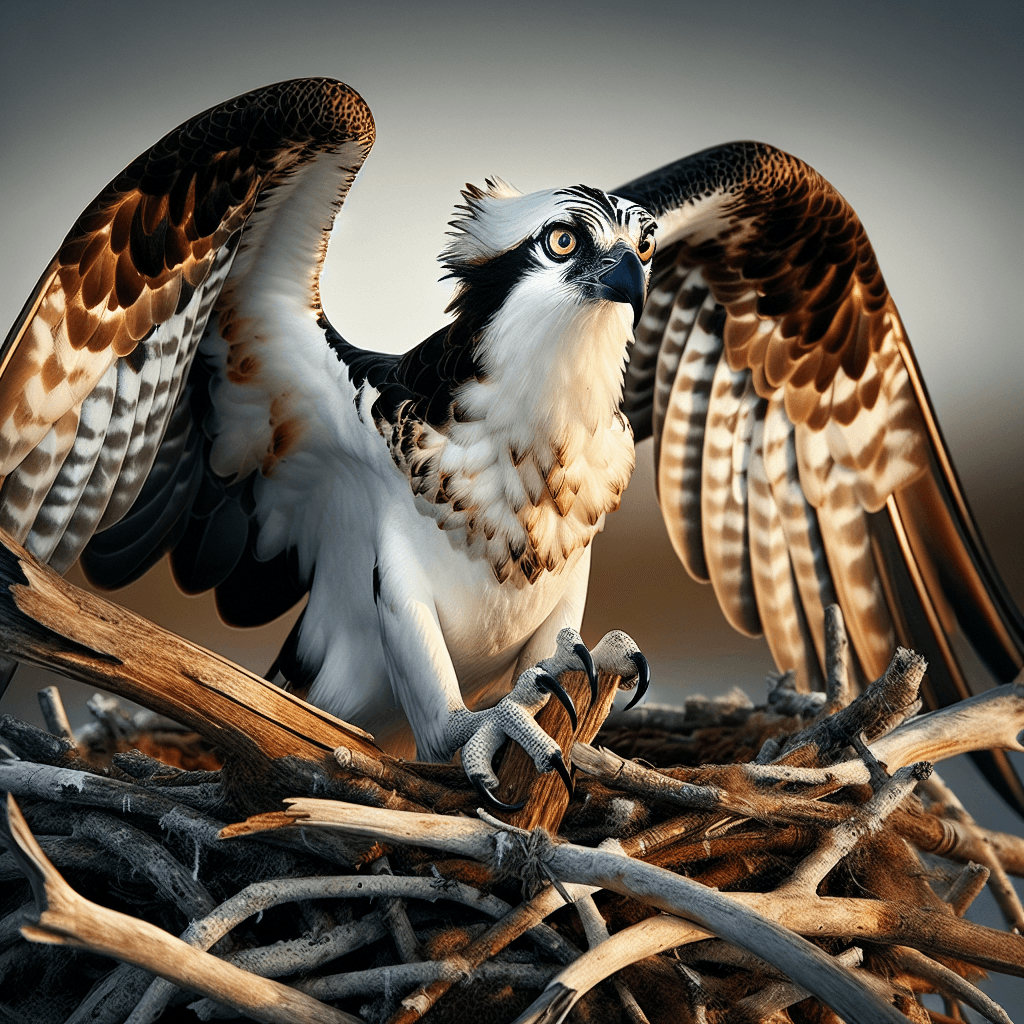
Osprey
Pandion haliaetus
A large fish-eating raptor with distinctive white head marked by dark eye stripes and brownish upperparts contrasting with white underparts. Known for their spectacular fishing dives and massive stick nests built on platforms, dead trees, or man-made structures near water. Ospreys are often called 'fish hawks' and are one of the most widespread birds in the world.
Habitat
Lakes, rivers, reservoirs, coastal areas, marshes, and other fish-bearing waters
Range
Breeds across most of North America from Alaska to Newfoundland south to the Gulf Coast; winters primarily in Central and South America, though some remain in southern United States
Conservation Status
Least Concern
Field Marks
White head with distinctive dark brown eye stripe, brown upperparts, white underparts, long narrow wings with prominent bend at wrist, dark wrist patches visible in flight, yellow eyes, hooked black bill
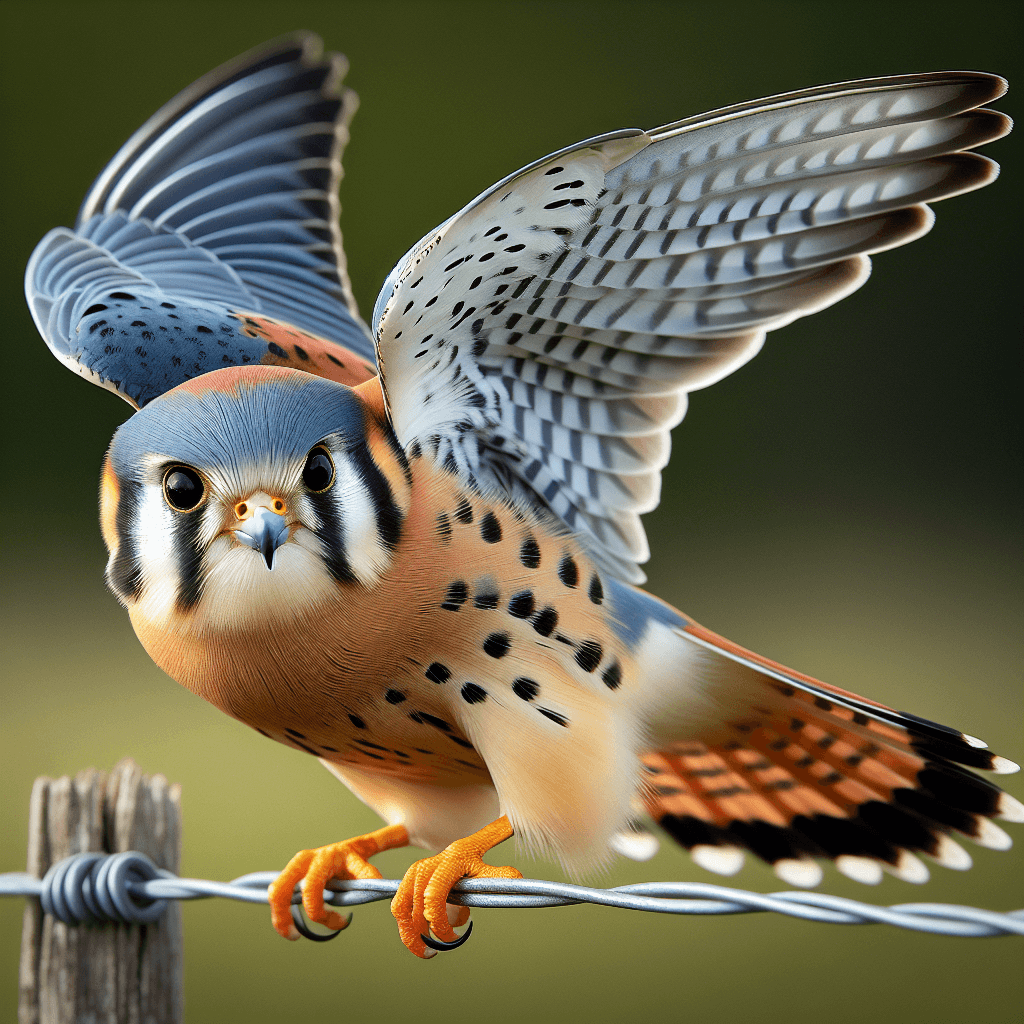
American Kestrel
Falco sparverius
North America's smallest and most colorful falcon, known for its distinctive hovering hunting behavior and bold facial markings. Males display striking blue-gray wings contrasting with rusty backs, while females show more uniform rusty coloration. These agile hunters are often seen perched on telephone wires or hovering over open fields while scanning for prey.
Habitat
Open grasslands, agricultural fields, meadows, parks, suburban areas, and roadsides with scattered perches
Range
Throughout North America from Alaska to Central America, year-round in most of the United States
Conservation Status
Least Concern
Field Marks
Two distinctive black vertical stripes on white cheeks, rusty back and tail with black barring, pointed falcon wings, males have blue-gray wing patches, females more uniformly rusty-brown, white breast with dark spotting
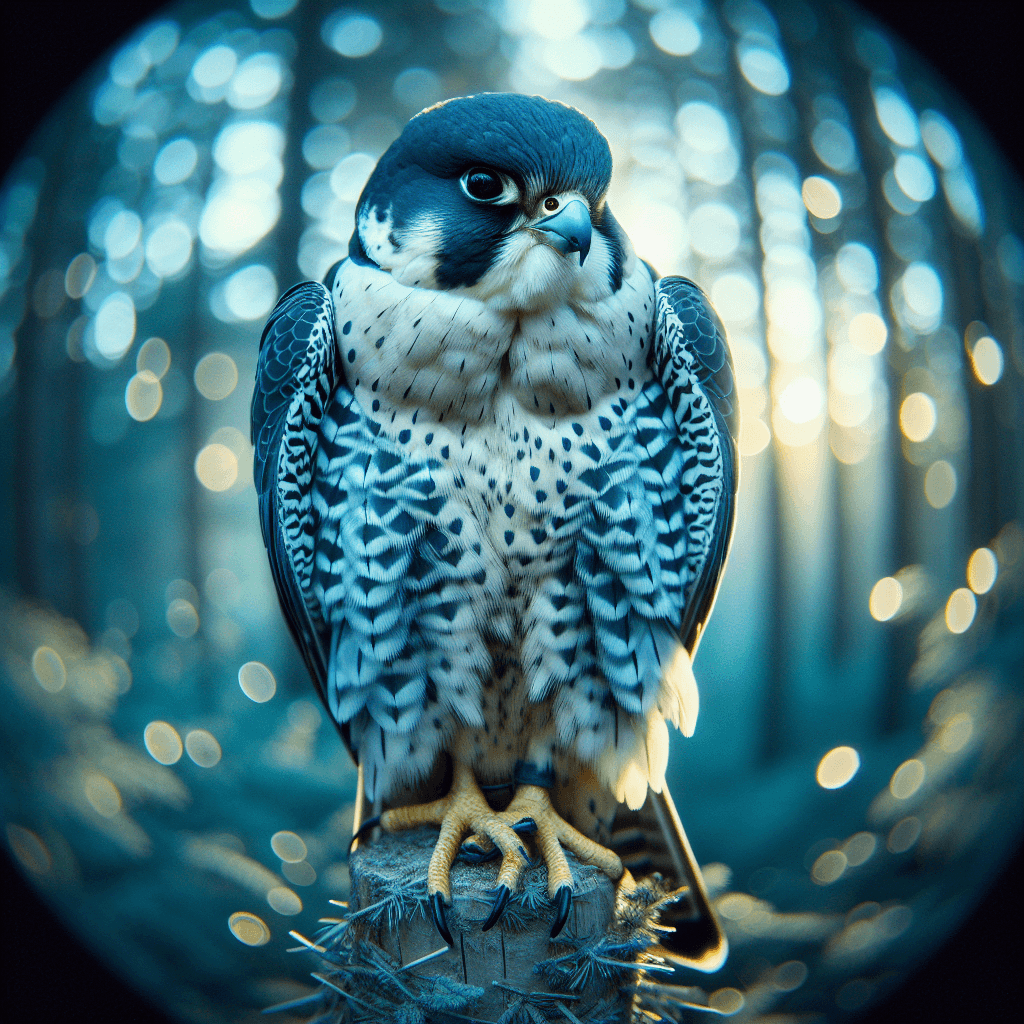
Peregrine Falcon
Falco peregrinus
Swift, powerful falcon known as the world's fastest bird. Dark blue-gray above with barred underparts.
Habitat
Open areas near cliffs, cities, coastlines
Range
Cosmopolitan - found on every continent except Antarctica
Conservation Status
Least Concern
Field Marks
Distinctive "helmet" pattern, pointed wings, rapid wingbeats
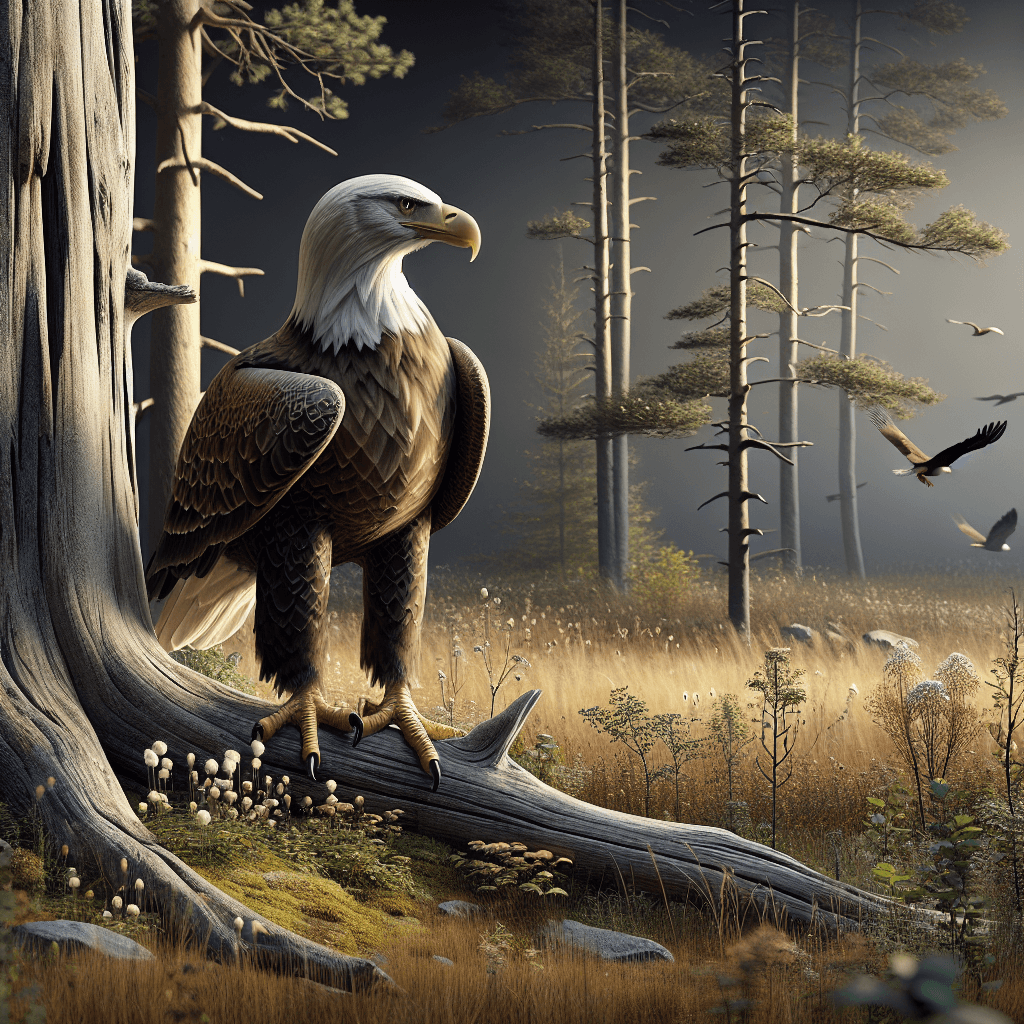
Bald Eagle
Haliaeetus leucocephalus
Large raptor with distinctive white head and tail in adults. Immatures are dark brown.
Habitat
Near large bodies of water, coasts, rivers, lakes
Range
North America, primarily near water
Conservation Status
Least Concern
Field Marks
White head and tail (adults), massive yellow bill, large size
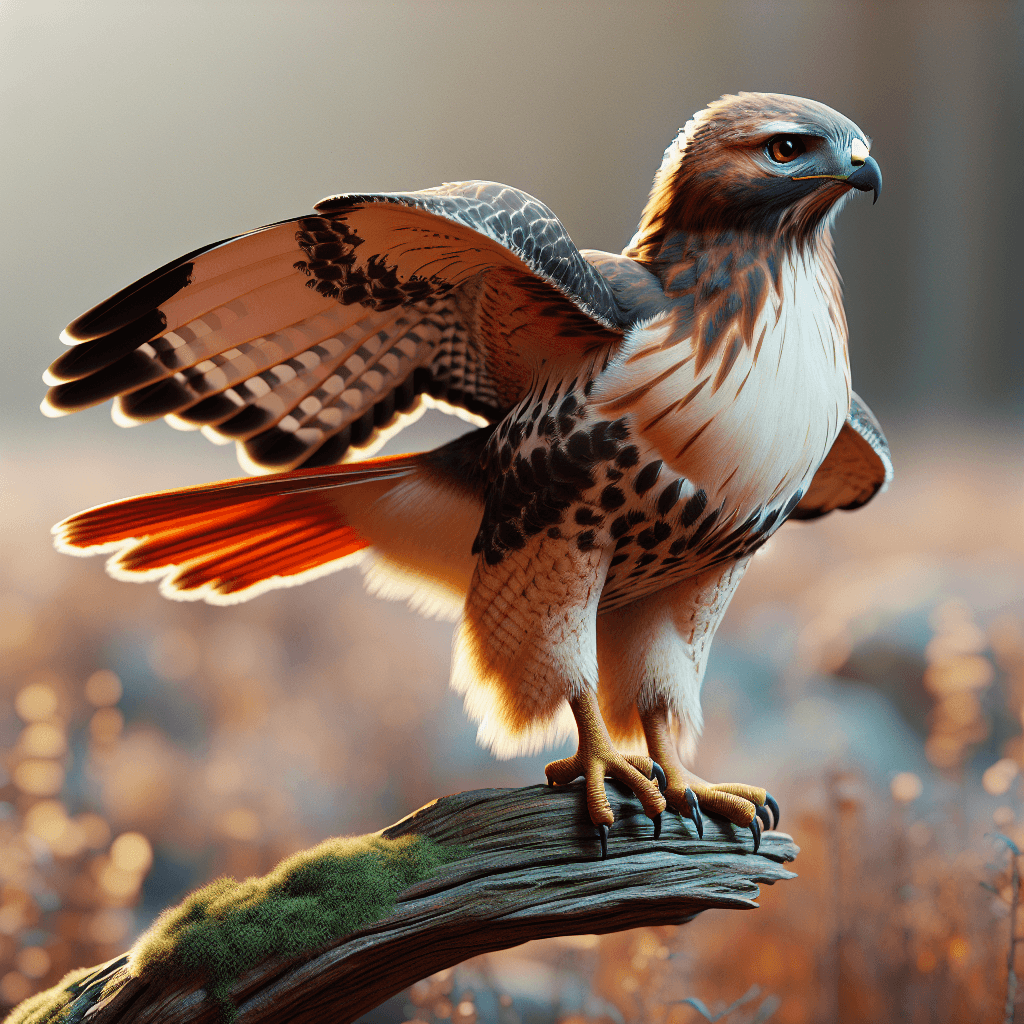
Red-tailed Hawk
Buteo jamaicensis
Large, stocky hawk with broad wings and short, wide tail. Adults have distinctive rusty-red tail.
Habitat
Open country, woodlands, prairies, deserts
Range
Throughout North America
Conservation Status
Least Concern
Field Marks
Broad wings, short red tail (adults), dark patagial marks on underwing
Shorebirds
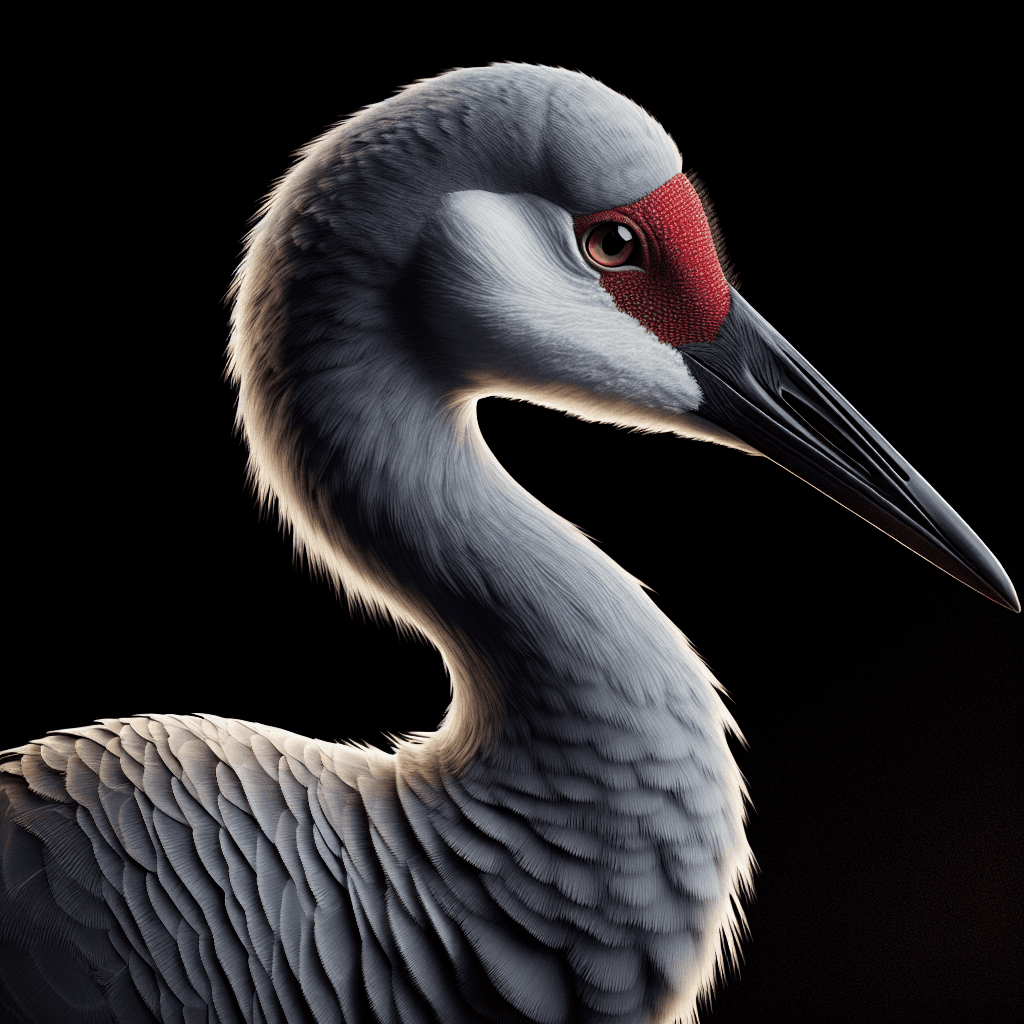
Sandhill Crane
Antigone canadensis
Very large, gray bird with red forehead patch. Known for elaborate dancing displays and distinctive rattling call.
Habitat
Wetlands, grasslands, agricultural fields
Range
North America, migrates in large flocks
Conservation Status
Least Concern
Field Marks
Large size, gray body, red forehead, long neck extended in flight

Killdeer
Charadrius vociferus
Large plover known for its broken-wing display to distract predators from nest. Vocal and conspicuous.
Habitat
Fields, golf courses, parking lots, shores
Range
Throughout North America
Conservation Status
Least Concern
Field Marks
Two black breast bands, orange rump visible in flight, distinctive "kill-deer" call
Songbirds (Passerines)

Indigo Bunting
Passerina cyanea
A small, stocky songbird where breeding males display brilliant electric blue plumage that appears almost iridescent in sunlight. Males sing persistently from high perches throughout summer, while females and non-breeding males show brown plumage with subtle blue tinges. Known for their sweet, paired musical phrases delivered in long singing sessions.
Habitat
Brushy areas, woodland edges, overgrown fields, power line corridors, and forest clearings with dense shrub cover
Range
Breeds across eastern and central United States from southern Canada to northern Florida, west to Montana and New Mexico; winters in Central America and northern South America
Conservation Status
Least Concern
Field Marks
Breeding male: brilliant blue all over with darker wings and tail, silver-gray bill, dark eyes. Female and winter male: warm brown with faint blue on wings and tail, streaked breast, thick seed-cracking bill. Compact, finch-like build with slightly notched tail.

Western Meadowlark
Sturnella neglecta
A chunky, ground-dwelling songbird known for its brilliant yellow breast marked by a distinctive black 'V' and its incredibly rich, flute-like song. Western Meadowlarks are often seen perched on fence posts and utility lines across open grasslands, where their melodious calls carry for great distances across the prairie landscape.
Habitat
Grasslands, prairies, agricultural fields, pastures, and open meadows
Range
Western North America from southern Canada through the Great Plains to central Mexico, with some overlap with Eastern Meadowlark in the central United States
Conservation Status
Near Threatened
Field Marks
Bright yellow underparts with bold black 'V' on chest, brown and buff streaked upperparts, white outer tail feathers visible in flight, pale crown stripe, dark eye line, pointed bill, and relatively long legs
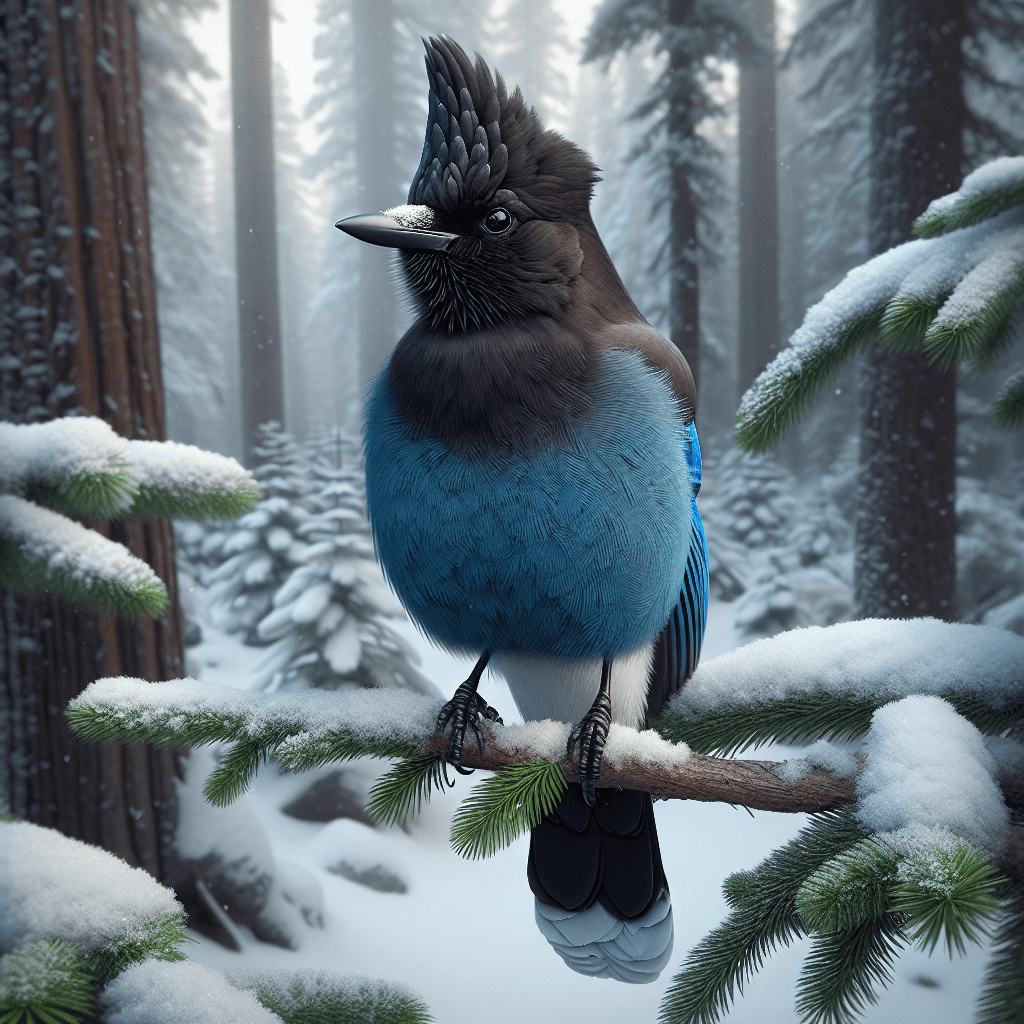
Steller's Jay
Cyanocitta stelleri
A striking corvid with deep blue body plumage and a prominent black head and crest, the Steller's Jay is an intelligent and bold bird of western coniferous forests. Known for their raucous calls and fearless behavior around campsites, they are excellent mimics capable of imitating hawk calls and other bird species. These highly social birds are often seen in small flocks, especially during winter months.
Habitat
Coniferous and mixed forests, particularly pine, fir, and spruce forests; also found in parks and suburban areas with mature trees
Range
Western North America from British Columbia south through the Rocky Mountains to Central America; primarily west of the Great Plains
Conservation Status
Least Concern
Field Marks
Deep cobalt blue body, wings, and tail; black head, neck, and prominent pointed crest; white streaks above the eye; robust black bill; blue and black barring on wings and tail

Black-billed Magpie
Pica hudsonia
A large, striking corvid with distinctive black and white plumage and an exceptionally long, iridescent tail that can make up half its total length. Known for their intelligence and bold, curious nature, magpies are highly social birds that often gather in small flocks and are notorious for their complex vocalizations and problem-solving abilities. Their flashy appearance and confident demeanor make them unmistakable in their western range.
Habitat
Open woodlands, riparian areas, ranch lands, parks, suburban areas with trees, and brushy country near water sources
Range
Western North America from central Alaska through western Canada, and in the western United States from Washington and Idaho south to eastern California, Nevada, Utah, and Colorado
Conservation Status
Least Concern
Field Marks
Bold black and white pattern with black head, breast, back, and wings contrasting with bright white belly and shoulder patches; extremely long, graduated black tail with blue-green iridescence; white wing patches visible in flight; sturdy black bill and legs
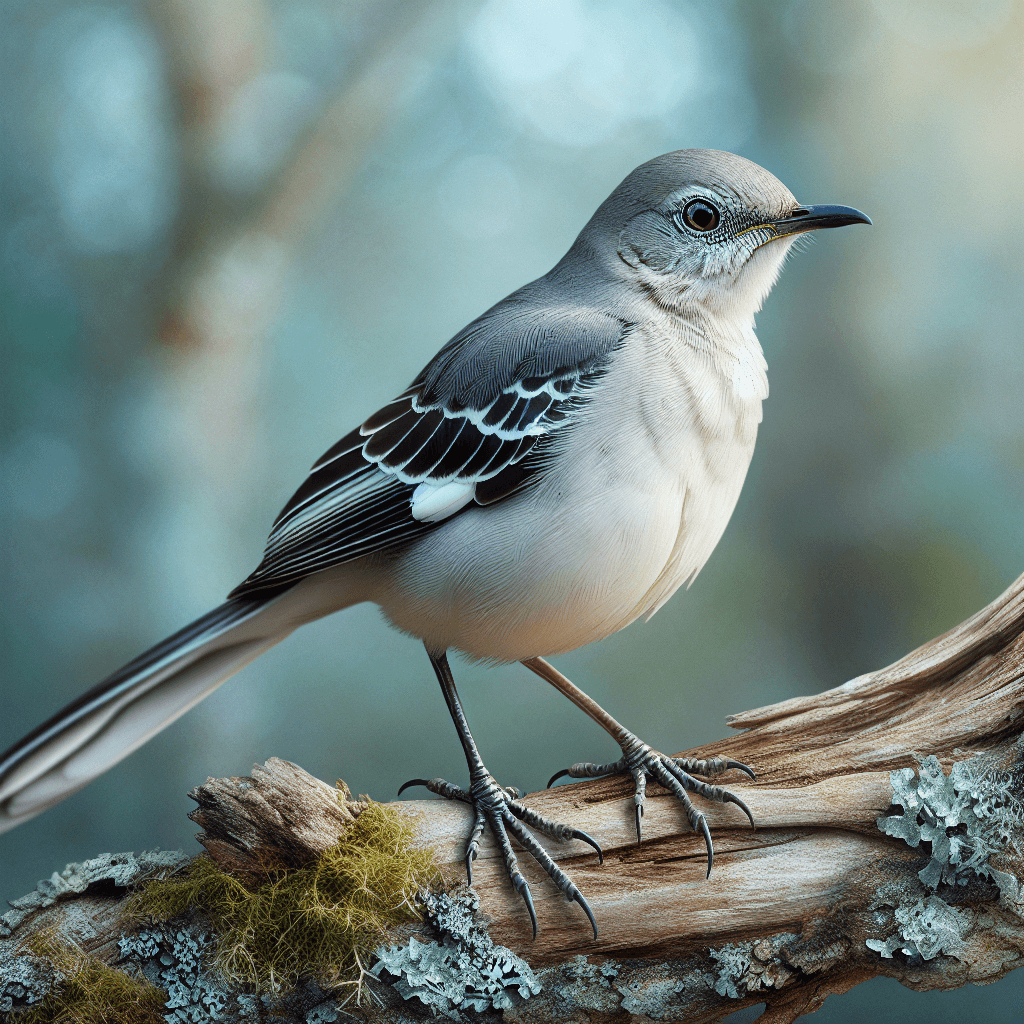
Northern Mockingbird
Mimus polyglottos
A medium-sized songbird famous for its extraordinary ability to mimic the songs of other birds, often incorporating 50+ different species into its repertoire along with mechanical sounds. Northern Mockingbirds are bold, territorial birds that will aggressively defend their territory year-round, often chasing away much larger birds and even cats. They are known for singing throughout the night, particularly unmated males during breeding season.
Habitat
Open areas with scattered trees, suburban neighborhoods, parks, gardens, desert scrub, and woodland edges
Range
Permanent resident from southern Canada through most of the United States to central Mexico; expanding northward in recent decades
Conservation Status
Least Concern
Field Marks
Gray upperparts with lighter gray to white underparts, distinctive white patches on wings and outer tail feathers highly visible in flight, long tail often held upright, slender curved bill, pale yellow to orange eyes, and unmarked face giving a clean appearance
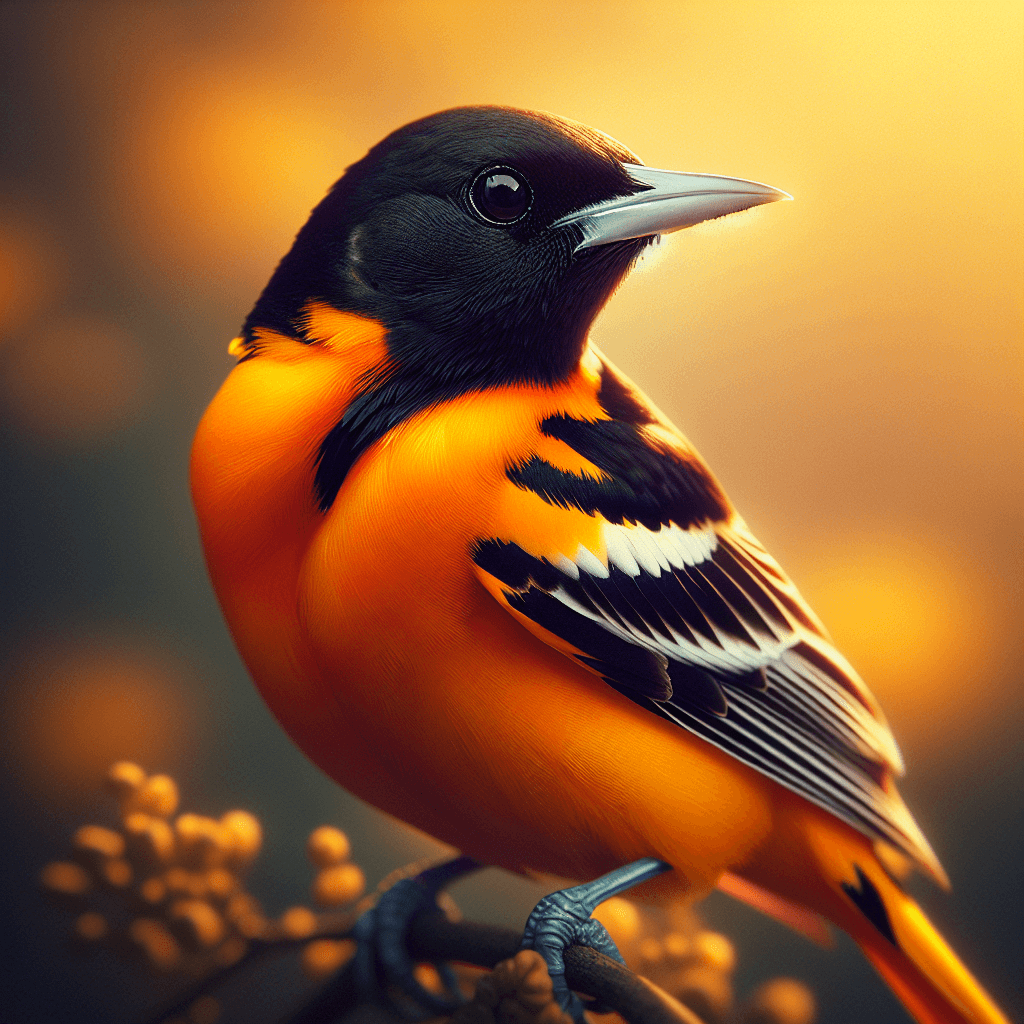
Baltimore Oriole
Icterus galbula
A striking medium-sized songbird known for its brilliant orange and black plumage and melodious whistling song. Males are unmistakable with their vibrant coloration, while females display more subtle yellow-orange tones. These birds are famous for weaving intricate hanging basket nests and have a particular fondness for oranges and grape jelly at feeders.
Habitat
Open woodlands, parks, suburban areas with mature trees, especially elms and maples; riparian areas and forest edges
Range
Breeds across eastern North America from southern Canada to the Gulf Coast; winters in Central America and northern South America
Conservation Status
Least Concern
Field Marks
Adult male: brilliant orange body with black head, wings, and back; white wing bars. Female: yellowish-orange underparts with grayish-brown upperparts; duller wing bars. Both sexes have pointed, slightly curved bills and long tails
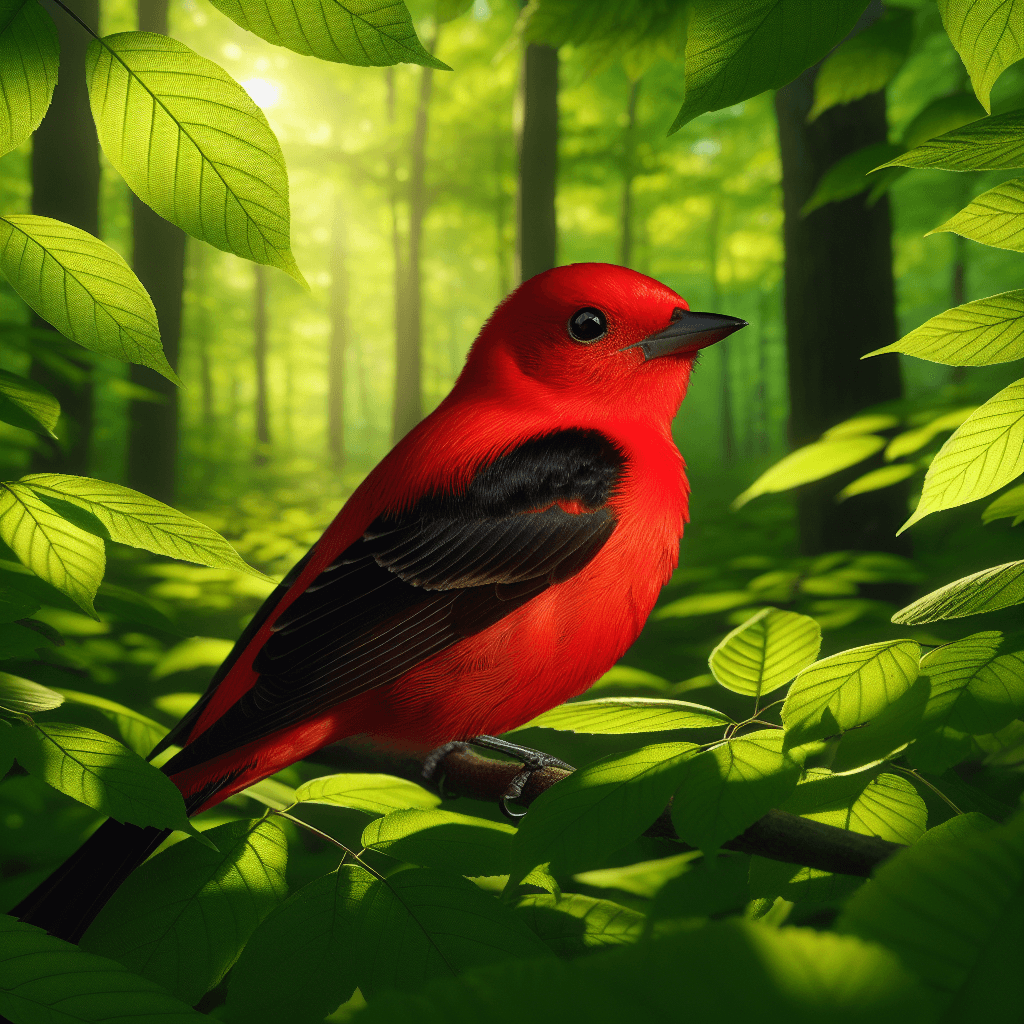
Scarlet Tanager
Piranga olivacea
The Scarlet Tanager is a medium-sized songbird known for its stunning sexual dimorphism and preference for mature deciduous forests. Males undergo a dramatic seasonal plumage change, transforming from brilliant red breeding plumage to yellow-green winter colors. Despite their vibrant coloration, these birds can be surprisingly difficult to spot as they forage high in the forest canopy.
Habitat
Mature deciduous and mixed forests, particularly oak-hickory woodlands; occasionally in parks and large suburban areas with tall trees
Range
Breeds across eastern North America from southern Canada to northern Georgia; winters in South America from Colombia to Bolivia
Conservation Status
Least Concern
Field Marks
Breeding male: brilliant scarlet-red body with jet-black wings and tail; female and non-breeding male: olive-yellow above, yellowish below with darker wings; thick, pale bill; no crest or wing bars
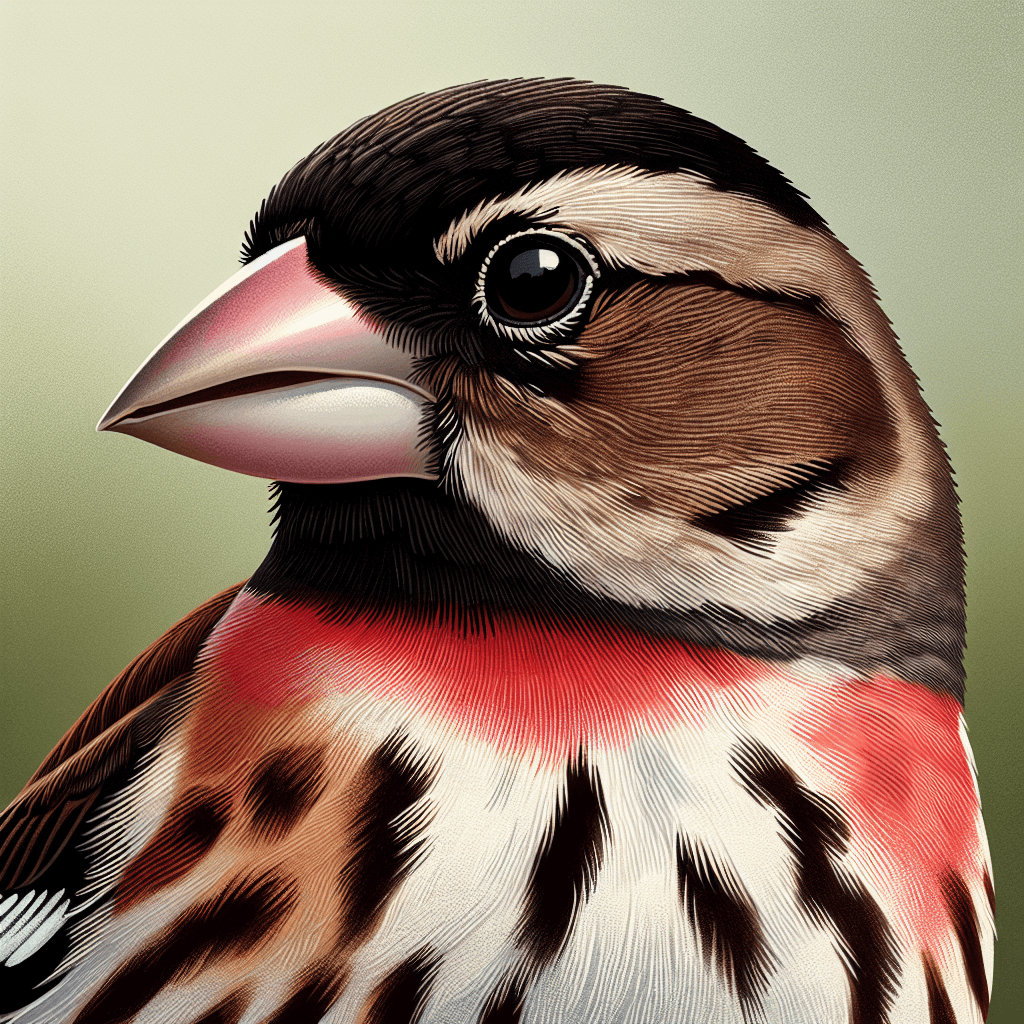
Rose-breasted Grosbeak
Pheucticus ludovicianus
A striking songbird with a massive, pale bill perfect for cracking seeds. Males display a brilliant red triangle on their white breast, while females show streaky brown plumage with distinctive white eyebrows. Known for their sweet, robin-like song and tendency to visit backyard feeders during migration.
Habitat
Deciduous and mixed forests, woodland edges, parks, orchards, and suburban areas with mature trees
Range
Breeds across southeastern Canada and northeastern United States, winters in Central America and northern South America, migrates through central and eastern North America
Conservation Status
Least Concern
Field Marks
Male: black head and back, white rump, bright red triangular breast patch, massive pale bill; Female: streaky brown overall with bold white eyebrow stripe, pale bill, white wing bars; Both sexes show white patches in wings during flight
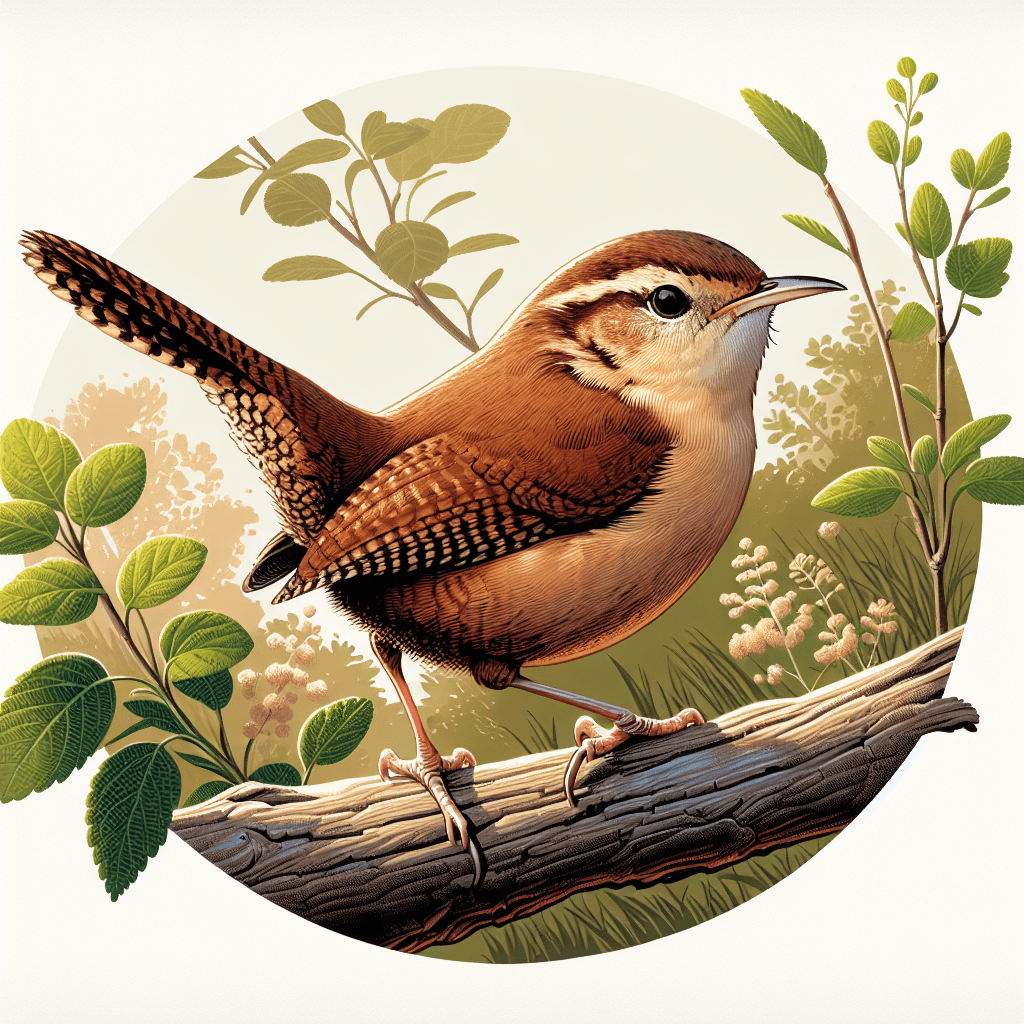
House Wren
Troglodytes aedon
A small, energetic songbird with plain brown plumage and an upright, perky tail posture. House Wrens are known for their loud, bubbling songs and aggressive territorial behavior, often evicting other cavity-nesting birds from nest boxes. Despite their modest appearance, they are bold and active birds that frequently scold intruders with harsh chatter.
Habitat
Open woodlands, parks, gardens, suburban areas, and anywhere with suitable nesting cavities
Range
Breeds across most of temperate North America from southern Canada to Mexico; winters in southern United States through Central America
Conservation Status
Least Concern
Field Marks
Plain brown upperparts with subtle barring on wings and tail; grayish-brown underparts; slightly curved bill; frequently held upright tail; lacks distinctive markings or eyering found in other wrens
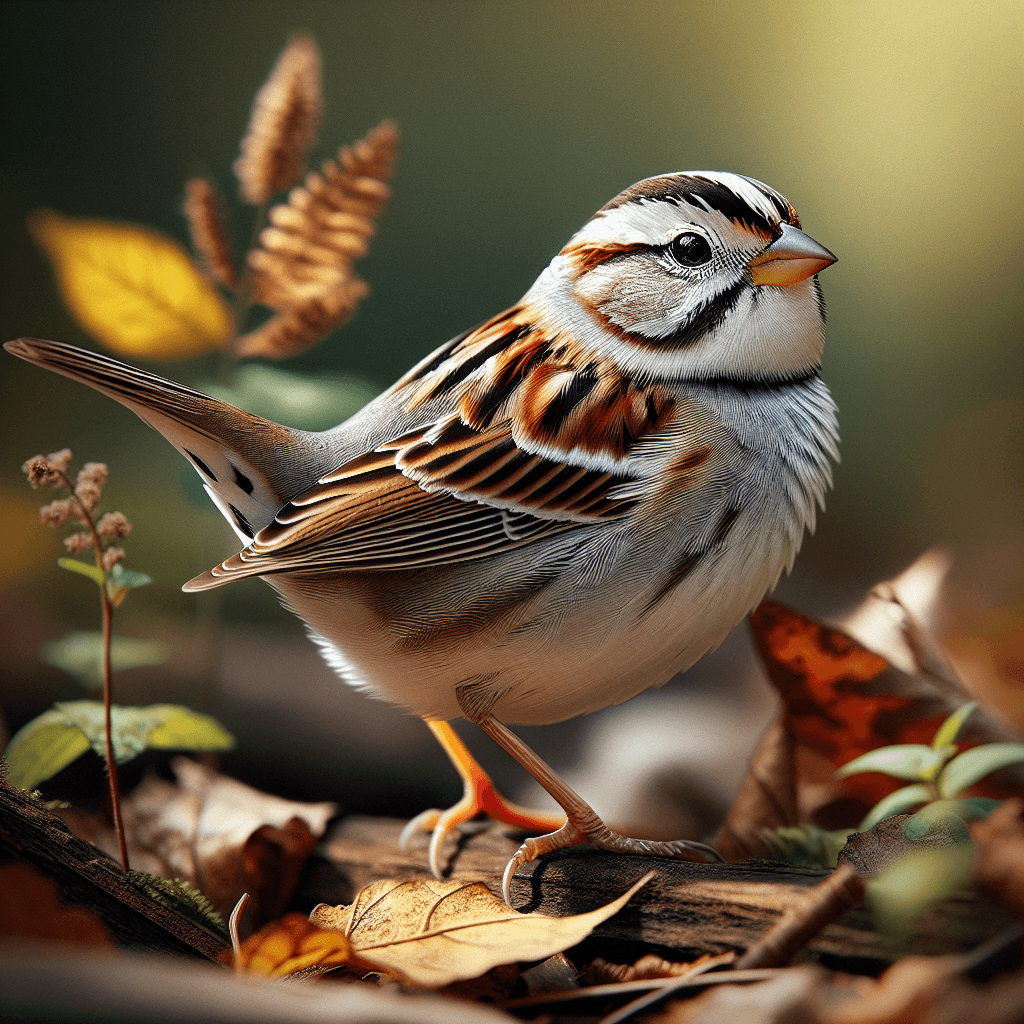
White-throated Sparrow
Zonotrichia albicollis
A medium-sized sparrow with distinctive head stripes and a bright white throat patch that stands out against its gray breast. Known for its clear, whistled song often described as 'Old Sam Peabody-Peabody-Peabody' and its habit of scratching through leaf litter with both feet. This species exhibits two distinct color morphs - white-striped and tan-striped - that occur in both males and females.
Habitat
Mixed and coniferous forests, woodland edges, brushy areas, parks, and gardens with dense undergrowth
Range
Breeds across Canada and northern United States; winters throughout eastern and southern United States, extending into Mexico
Conservation Status
Least Concern
Field Marks
Bright white throat patch, yellow spot between eye and bill (lores), distinct head stripes that are either bright white or buff-colored, gray breast, brown and rust streaked back, relatively long tail
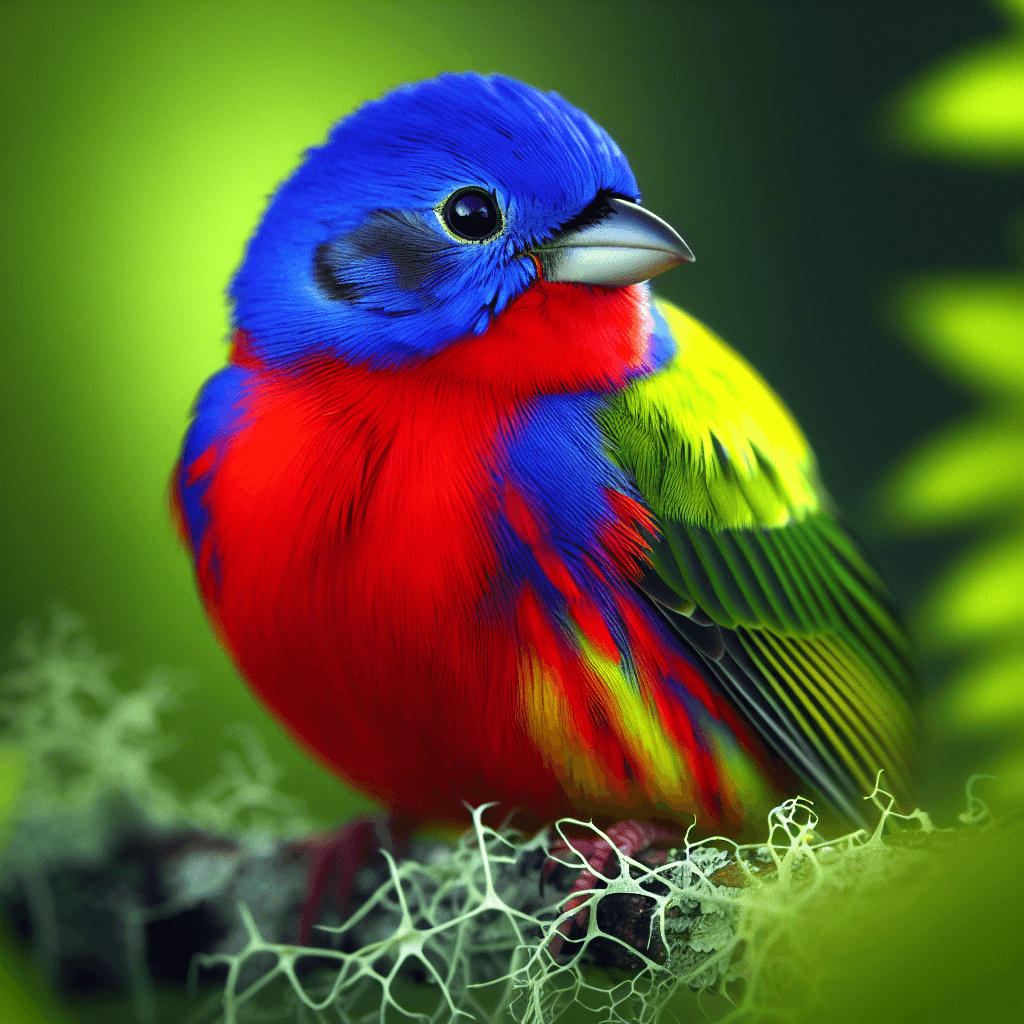
Painted Bunting
Passerina ciris
Often called the most beautiful bird in North America, the Painted Bunting is a small, secretive songbird with stunning plumage. Males display brilliant red underparts, deep blue heads, and bright green backs, while females are a subtle lime-green overall. Despite their vivid colors, they can be difficult to spot as they prefer to stay hidden in dense brush and thickets.
Habitat
Dense thickets, brushy areas, woodland edges, overgrown fields, and suburban gardens with thick vegetation
Range
Southeastern United States from North Carolina to Florida and west to Texas, with separate populations in the south-central states; winters in Mexico, Central America, and Caribbean
Conservation Status
Near Threatened
Field Marks
Adult male unmistakable with bright red breast and belly, deep blue head and nape, green back and wings; female lime-green overall with slightly paler underparts; thick, seed-cracking bill; short tail
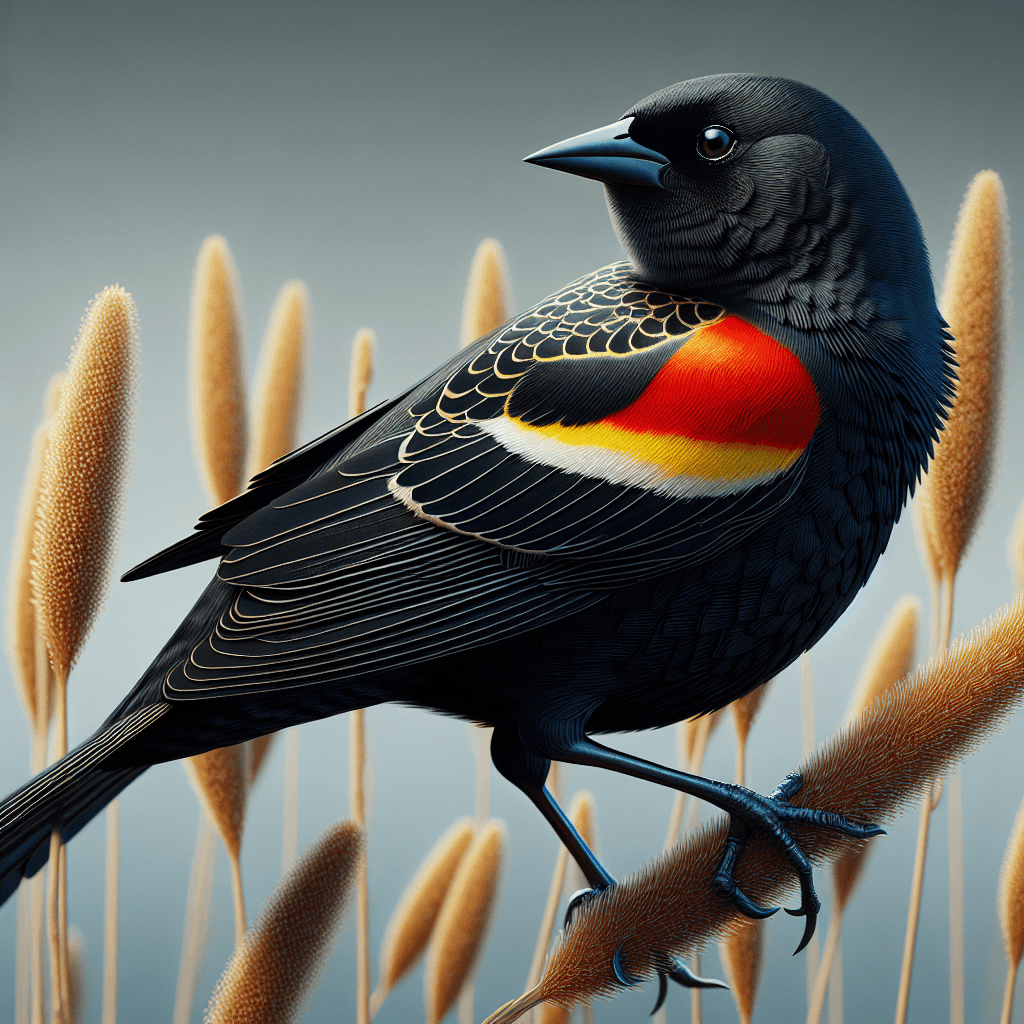
Red-winged Blackbird
Agelaius phoeniceus
A medium-sized songbird known for its striking sexual dimorphism and territorial behavior. Males are jet black with distinctive red and yellow shoulder patches (epaulets) that they flash during displays, while females are heavily streaked brown birds that are often mistaken for sparrows. They are highly social during non-breeding seasons, forming massive flocks in agricultural areas.
Habitat
Wetlands, marshes, cattail swamps, prairie potholes, roadside ditches, and agricultural fields near water sources
Range
Throughout most of North America from southern Alaska to Costa Rica, breeding across Canada and the United States, with some populations resident year-round in southern regions
Conservation Status
Least Concern
Field Marks
Males: glossy black plumage with bright red shoulder patches bordered by yellow; females: heavily streaked brown and buff coloring with pale eyebrow stripe and pointed bill; both sexes show relatively long, pointed bills and medium-length tails
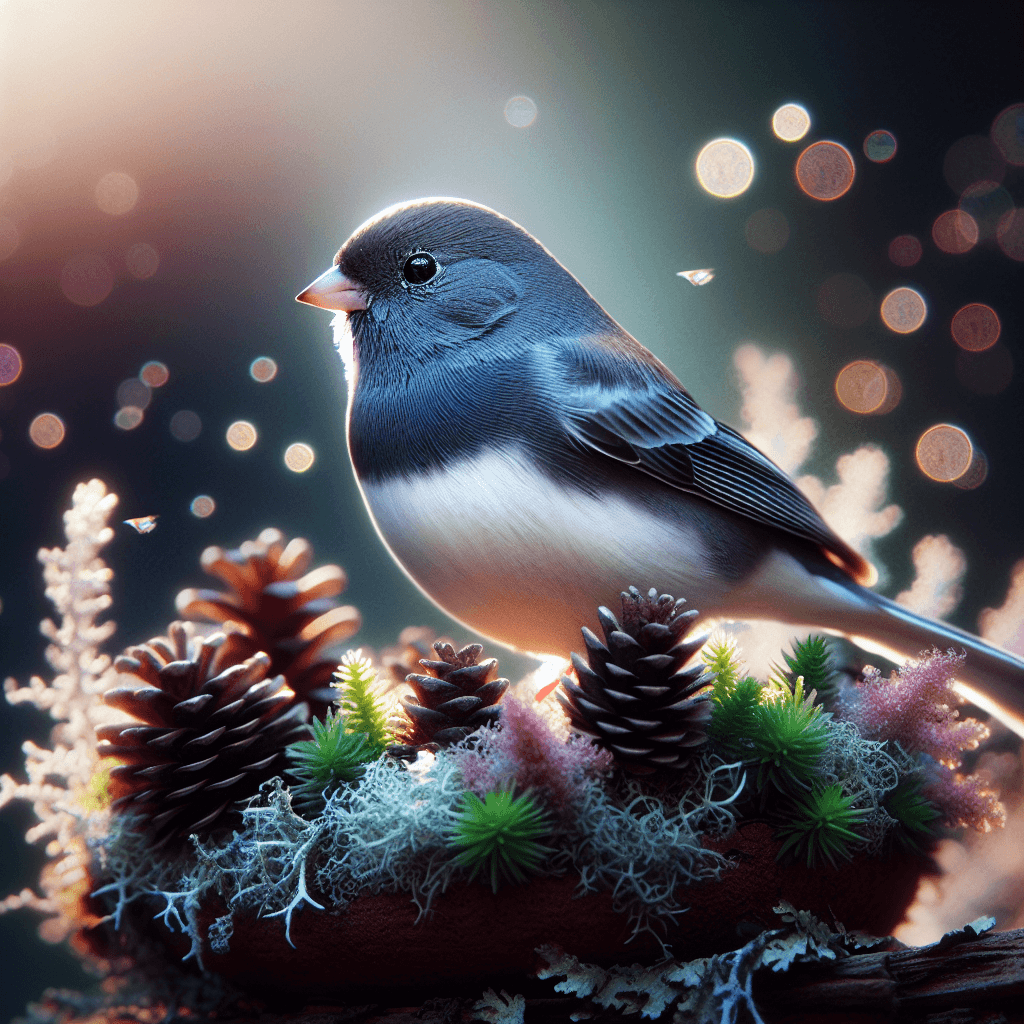
Dark-eyed Junco
Junco hyemalis
A common sparrow-sized bird known for its distinctive slate-gray hood and back contrasting with bright white outer tail feathers that flash conspicuously during flight. Often called 'snowbirds' due to their habit of appearing at feeders during winter months, these social birds hop on the ground with a characteristic double-scratch feeding motion.
Habitat
Coniferous and mixed forests, parks, gardens, and suburban areas with trees
Range
Breeds across Canada and western United States; winters throughout most of the United States except extreme southern regions
Conservation Status
Least Concern
Field Marks
Dark slate-gray head, back, and breast; bright white belly with sharp demarcation; white outer tail feathers visible in flight; pink bill; regional variations include 'Oregon' form with rusty-brown back and 'Pink-sided' form with buff flanks
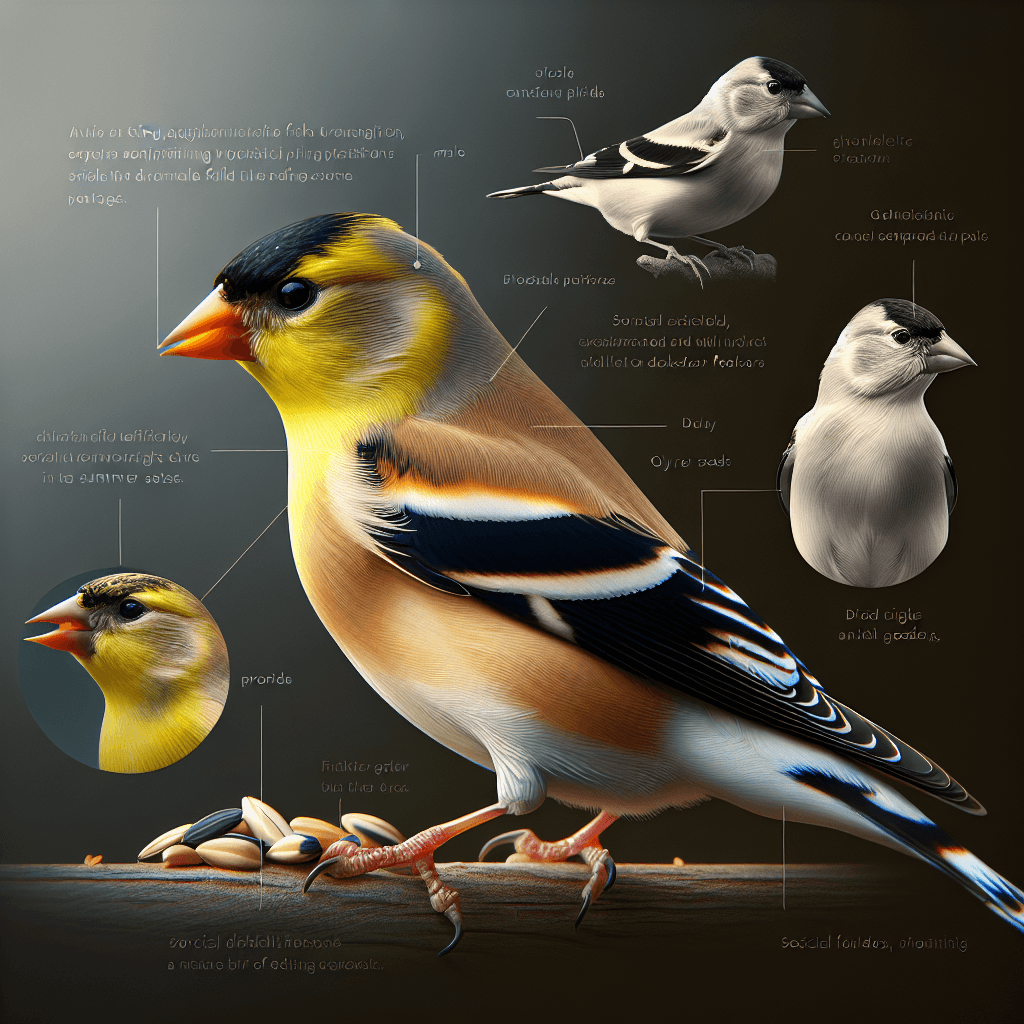
American Goldfinch
Spinus tristis
A small, acrobatic finch known for its undulating flight pattern and cheerful 'po-ta-to-chip' call. Males undergo dramatic seasonal plumage changes, transforming from bright canary yellow in summer to dull olive-brown in winter. These social birds often feed in flocks and are frequent visitors to backyard feeders, especially those filled with nyjer seed.
Habitat
Open woodlands, fields, meadows, gardens, parks, and suburban areas with weedy areas and scattered trees
Range
Breeds across southern Canada and throughout most of the United States except the southwestern deserts and Gulf Coast; northern populations migrate south in winter
Conservation Status
Least Concern
Field Marks
Breeding male: brilliant yellow body with black cap, black wings with white wing bars, and black tail with white undertail coverts. Female and winter male: dull olive-yellow to brown with darker wings showing two white wing bars. Short, conical pink bill and notched tail.
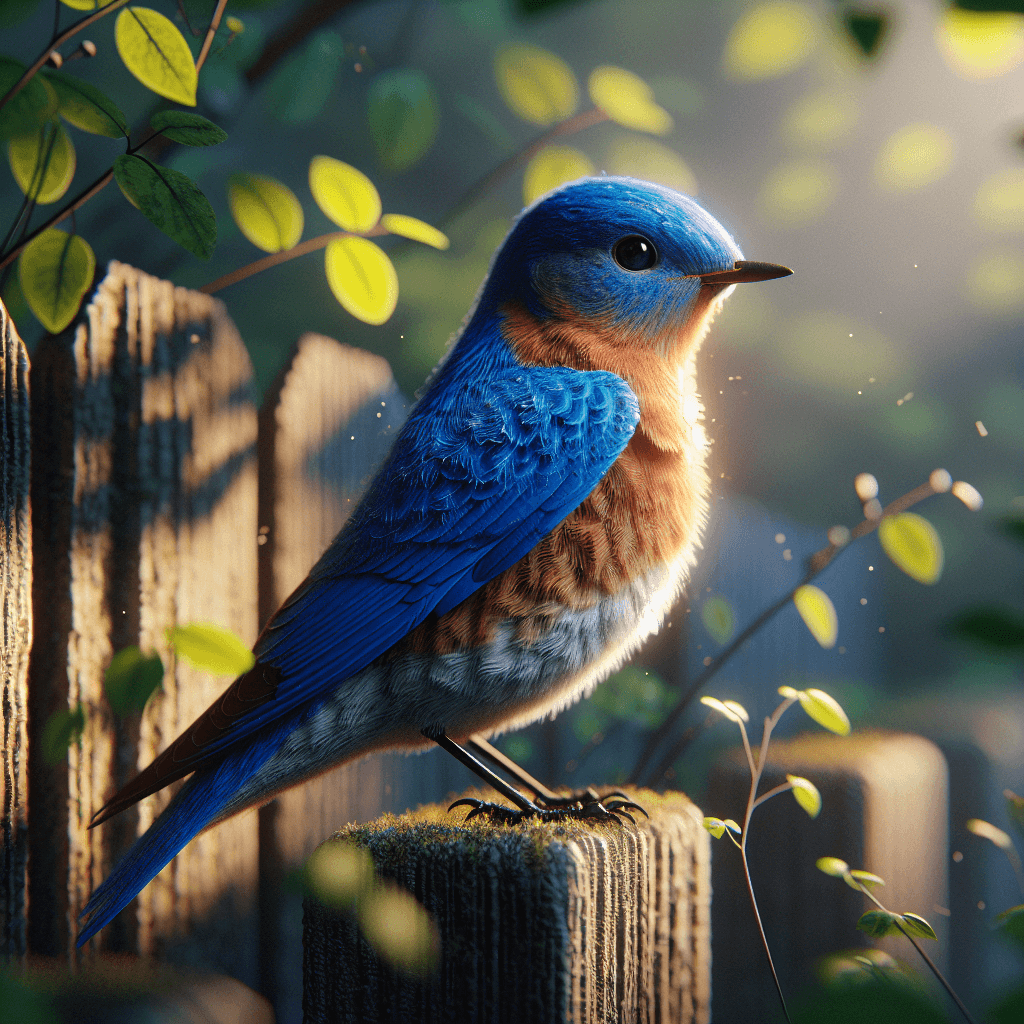
Eastern Bluebird
Sialia sialis
A small thrush with a compact body and short, straight bill, known for its brilliant blue plumage and gentle demeanor. Males display vivid blue upperparts with rusty-orange throat and breast, while females show more subdued blue-gray tones with warm orange-buff on the breast. These cavity-nesting birds are often seen perching on fence posts and low branches, dropping down to catch insects on the ground.
Habitat
Open woodlands, farmland, orchards, parks, golf courses, and suburban areas with scattered trees and open ground
Range
Eastern United States and southeastern Canada, from southern Canada to the Gulf Coast and from the Rocky Mountains to the Atlantic
Conservation Status
Least Concern
Field Marks
Male: bright blue head, wings, and tail with rusty-orange throat and breast, white belly. Female: blue-gray wings and tail, warm buff-orange breast, grayish head with white eye-ring. Both sexes have straight, thin bills and relatively long legs
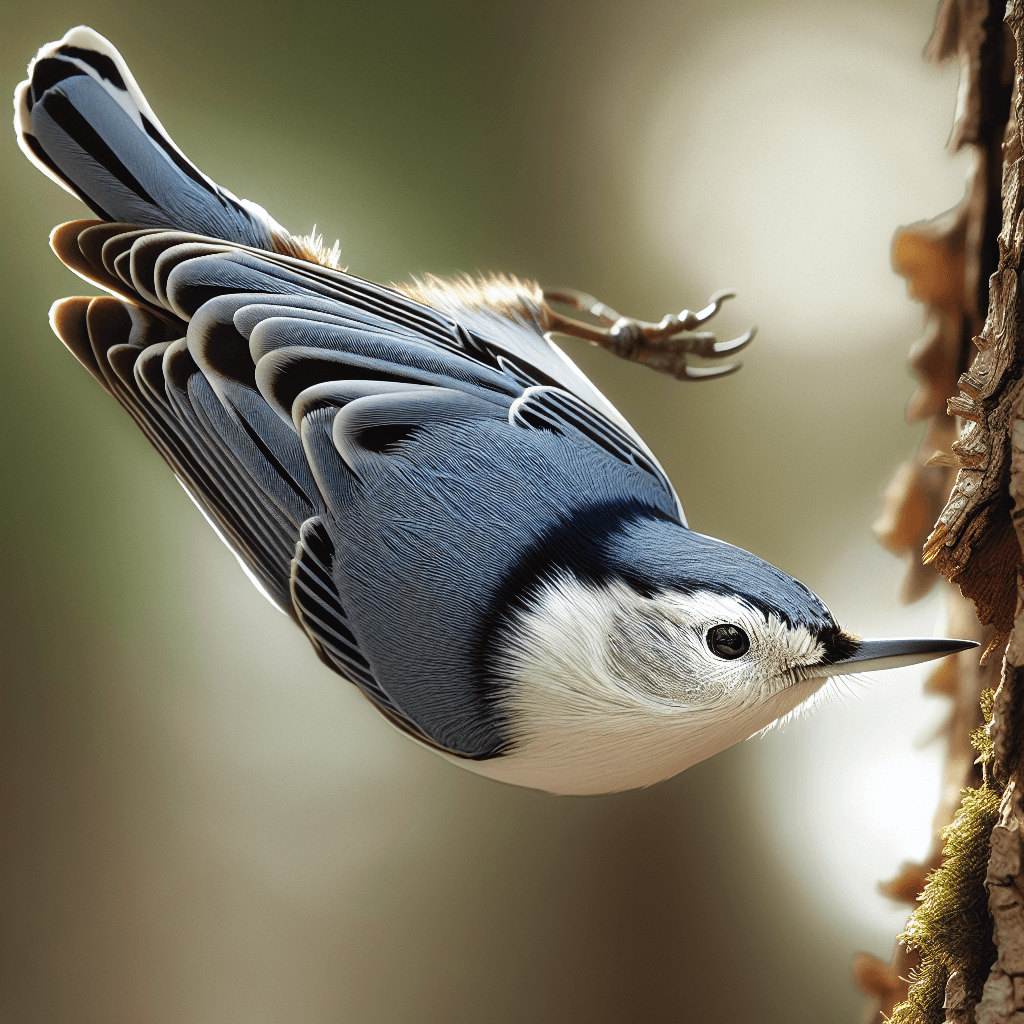
White-breasted Nuthatch
Sitta carolinensis
A compact, acrobatic songbird known for its ability to walk headfirst down tree trunks while foraging for insects and seeds. Distinguished by its unique upside-down feeding behavior and nasal 'yank-yank' call that echoes through woodlands. Often seen wedging seeds into bark crevices and hammering them open with their sharp bills.
Habitat
Mature deciduous and mixed forests, wooded parks, large shade trees in residential areas
Range
Year-round resident across most of the United States and southern Canada, from coast to coast
Conservation Status
Least Concern
Field Marks
Blue-gray upperparts, bright white face and underparts, black cap on males (gray on females), short tail, long straight bill, and distinctive head-down posture on tree trunks
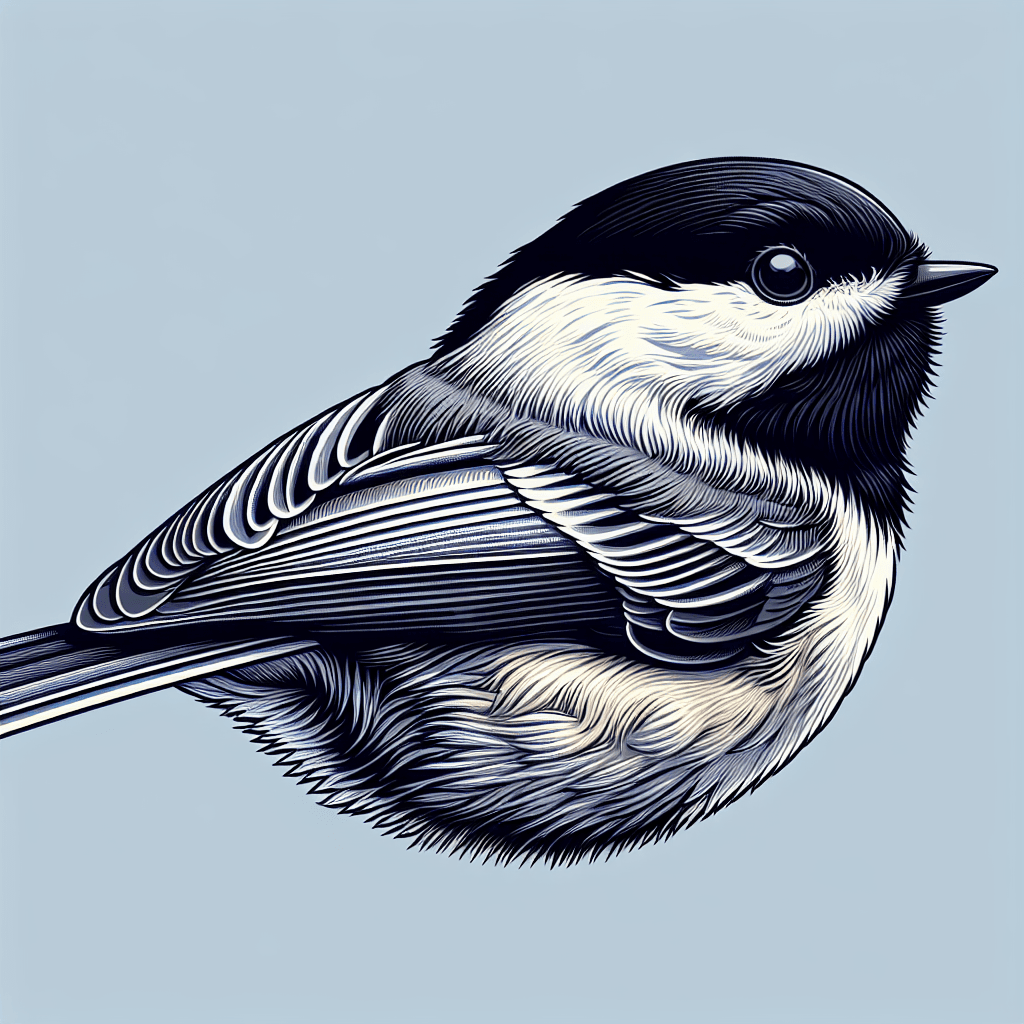
Black-capped Chickadee
Poecile atricapillus
Tiny, acrobatic songbird with distinctive black cap and bib. Frequent visitor to feeders.
Habitat
Mixed and deciduous forests, parks, residential areas
Range
Northern United States and Canada
Conservation Status
Least Concern
Field Marks
Black cap and bib, white cheeks, gray back, buff sides
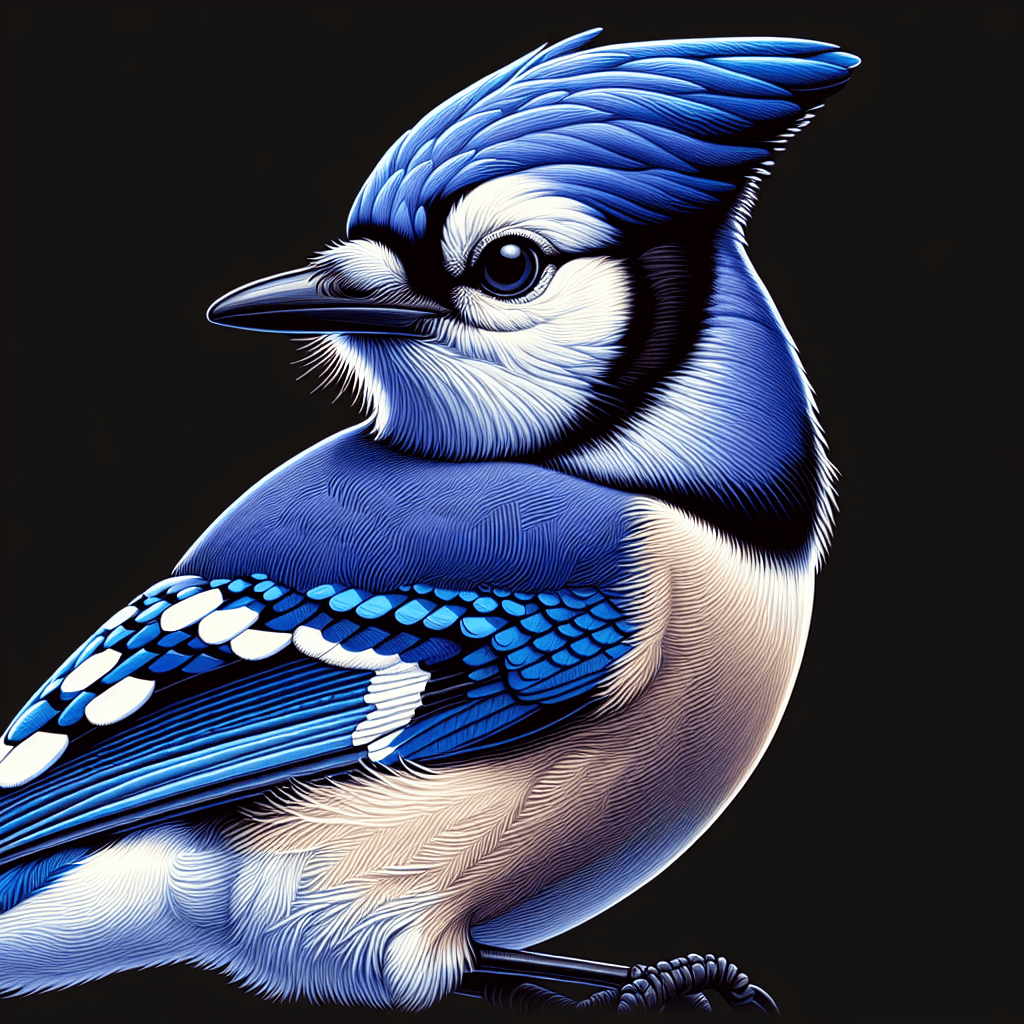
Blue Jay
Cyanocitta cristata
Large, crested songbird with striking blue, white, and black plumage. Intelligent and vocal.
Habitat
Forests, parks, residential areas
Range
Eastern and central North America
Conservation Status
Least Concern
Field Marks
Blue crest and back, black necklace, white face and underparts, black and white wings
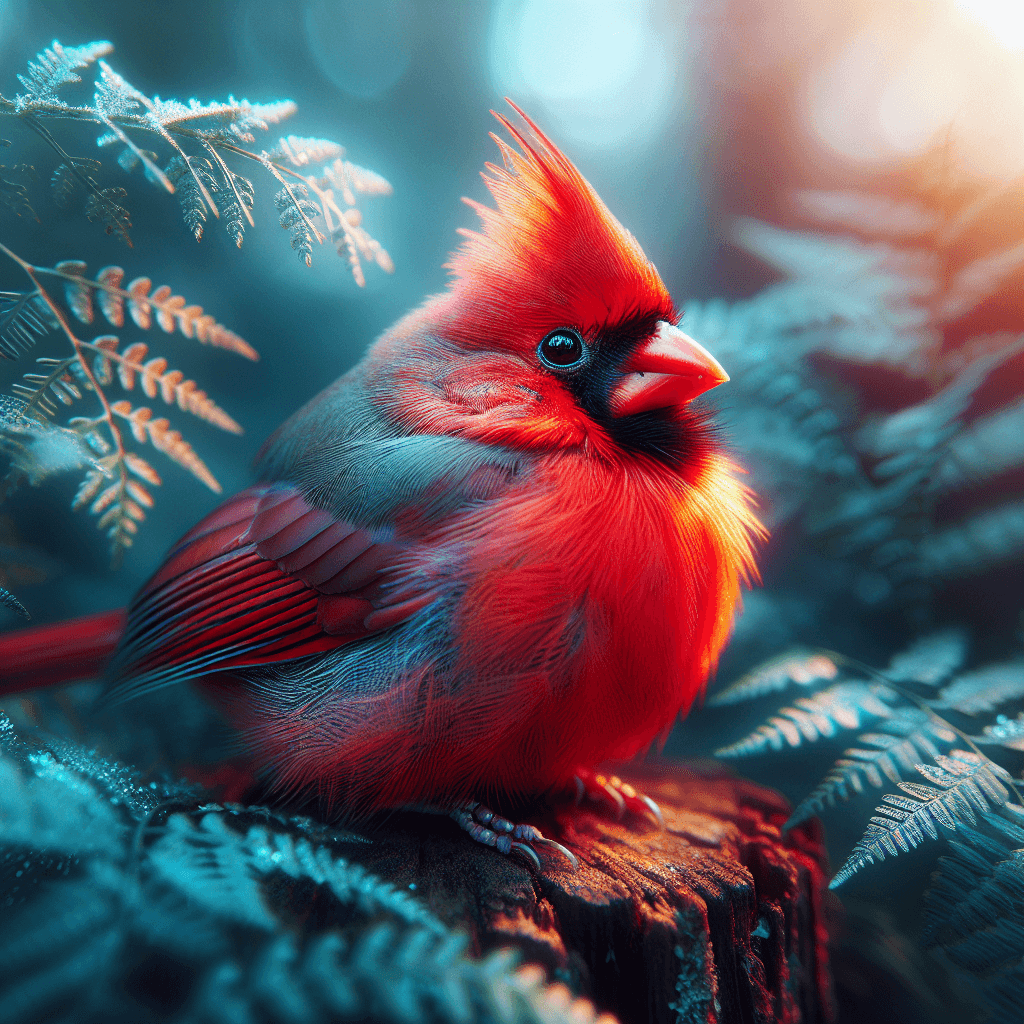
Northern Cardinal
Cardinalis cardinalis
Brilliant red songbird with prominent crest. Non-migratory year-round resident.
Habitat
Woodland edges, gardens, parks, thickets
Range
Eastern and southwestern United States, Mexico
Conservation Status
Least Concern
Field Marks
Male: all red with black face mask. Female: tan with reddish tinges. Both have prominent crest and thick orange bill
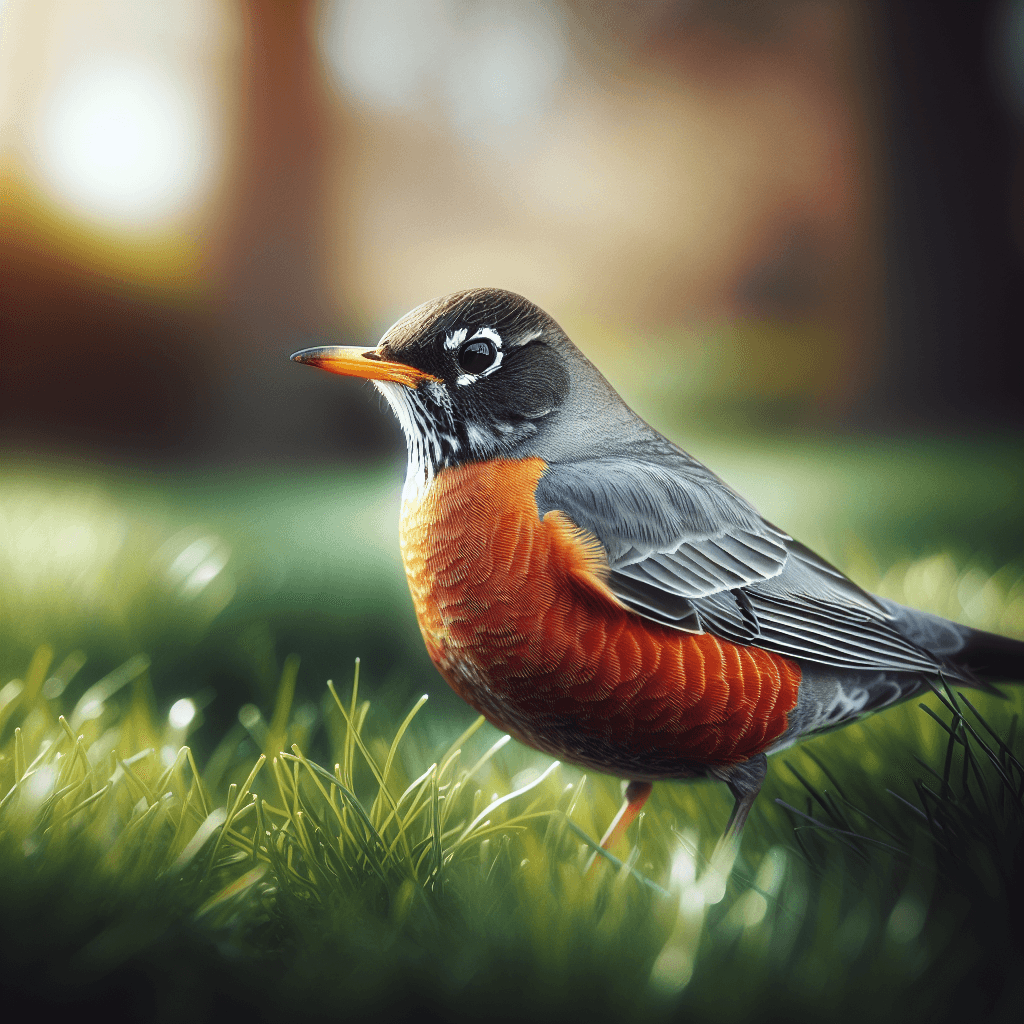
American Robin
Turdus migratorius
Familiar thrush with brick-red breast, gray upperparts. Often seen hopping on lawns searching for earthworms.
Habitat
Lawns, parks, woodlands, gardens
Range
Throughout North America
Conservation Status
Least Concern
Field Marks
Red-orange breast, gray back, white eye ring, yellow bill
Waterfowl (Ducks, Geese, Swans)

Wood Duck
Aix sponsa
Spectacularly colorful duck that nests in tree cavities. Male is one of North America's most colorful waterfowl.
Habitat
Wooded swamps, marshes, streams
Range
Eastern and western North America
Conservation Status
Least Concern
Field Marks
Male: iridescent chestnut and green head, red eye, ornate pattern. Female: gray-brown with white eye-ring
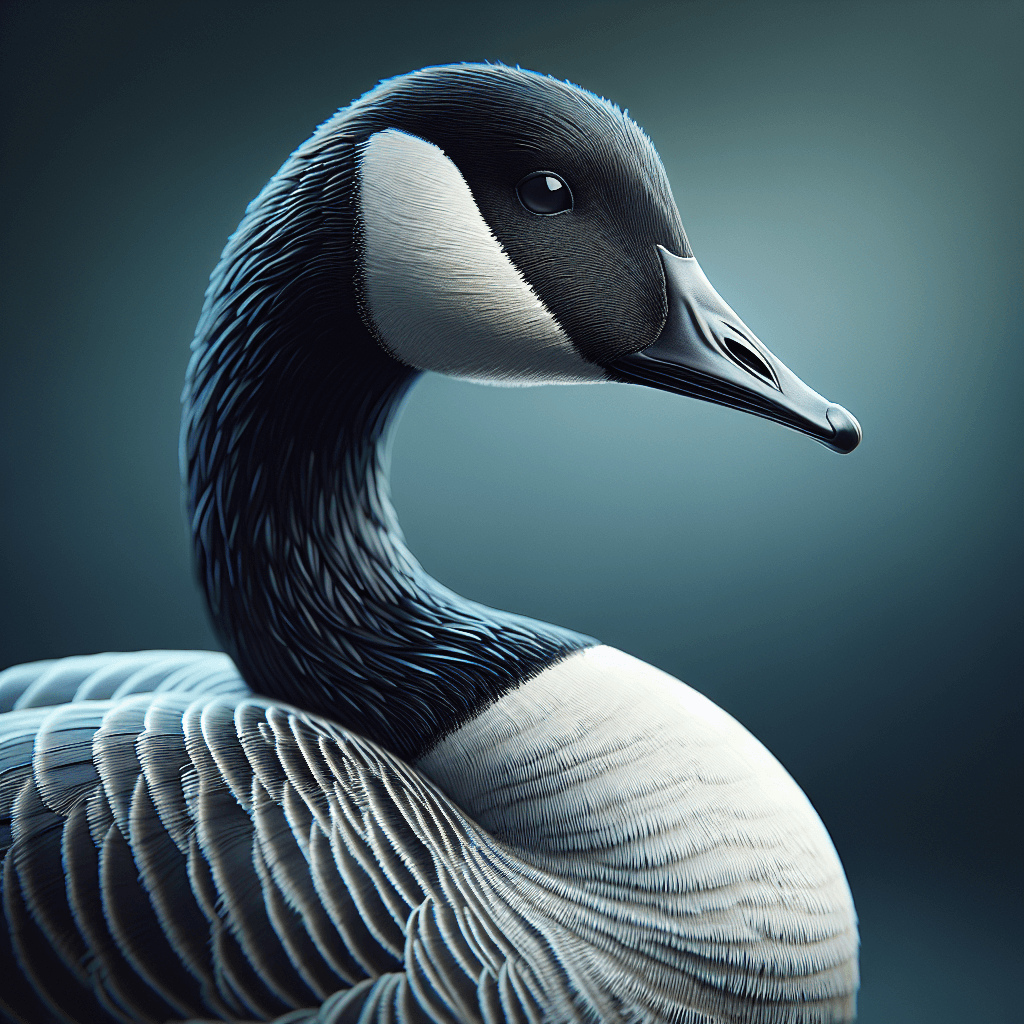
Canada Goose
Branta canadensis
Large, familiar goose with distinctive black head and neck with white "chinstrap".
Habitat
Lakes, rivers, ponds, parks, agricultural fields
Range
North America, introduced to Europe
Conservation Status
Least Concern
Field Marks
Black head and neck, white chinstrap, brown body
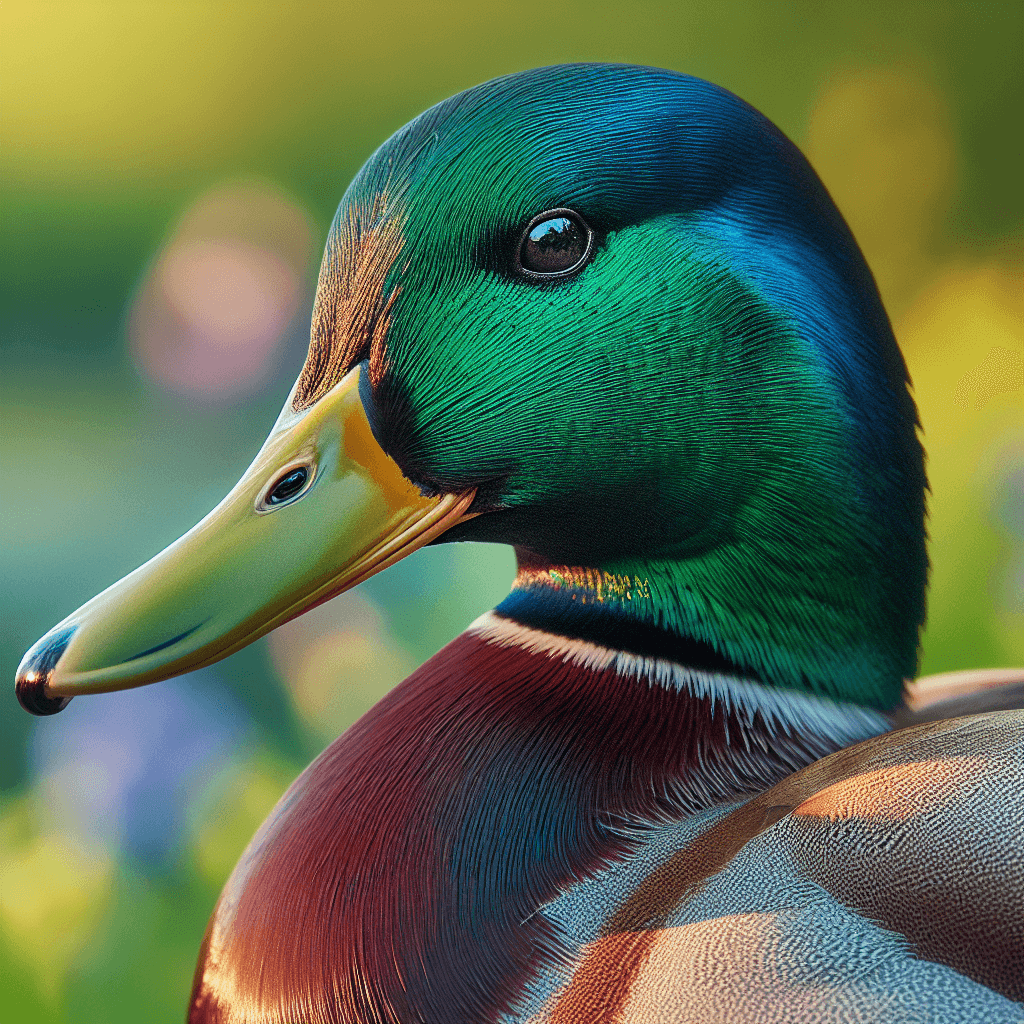
Mallard
Anas platyrhynchos
Most abundant and widespread duck in North America. Males have iridescent green head.
Habitat
Wetlands, parks, ponds, lakes, rivers
Range
Throughout Northern Hemisphere
Conservation Status
Least Concern
Field Marks
Male: green head, yellow bill, white collar. Female: mottled brown with orange bill
Waxwings (Bombycillidae)
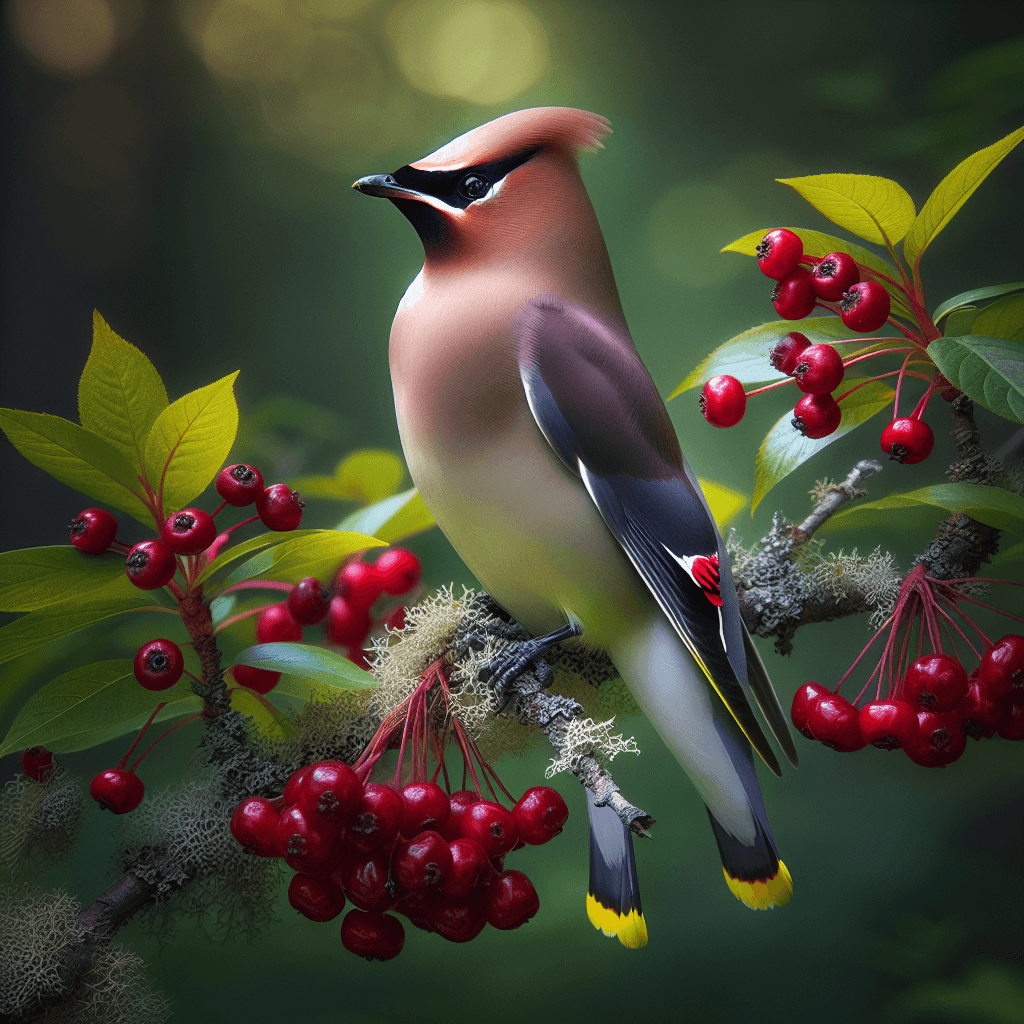
Cedar Waxwing
Bombycilla cedrorum
A sleek, social songbird with silky plumage and distinctive waxy red wing tips that give the species its name. Cedar Waxwings are highly gregarious, often seen in flocks feeding on berries and fruits, and are known for their gentle nature and acrobatic feeding behavior. They have a distinctive high-pitched, thin whistle call and are late nesters, timing their breeding with peak fruit availability.
Habitat
Open woodlands, orchards, parks, gardens, riparian areas, and anywhere with fruit-bearing trees and shrubs
Range
Breeds across most of Canada and the northern United States; winters throughout most of the U.S. and into Central America
Conservation Status
Least Concern
Field Marks
Smooth brown head with black mask through eye, bright yellow tail band, waxy red wing tips (on adults), silky tan-brown body, pointed crest, and yellow belly wash
Woodpeckers
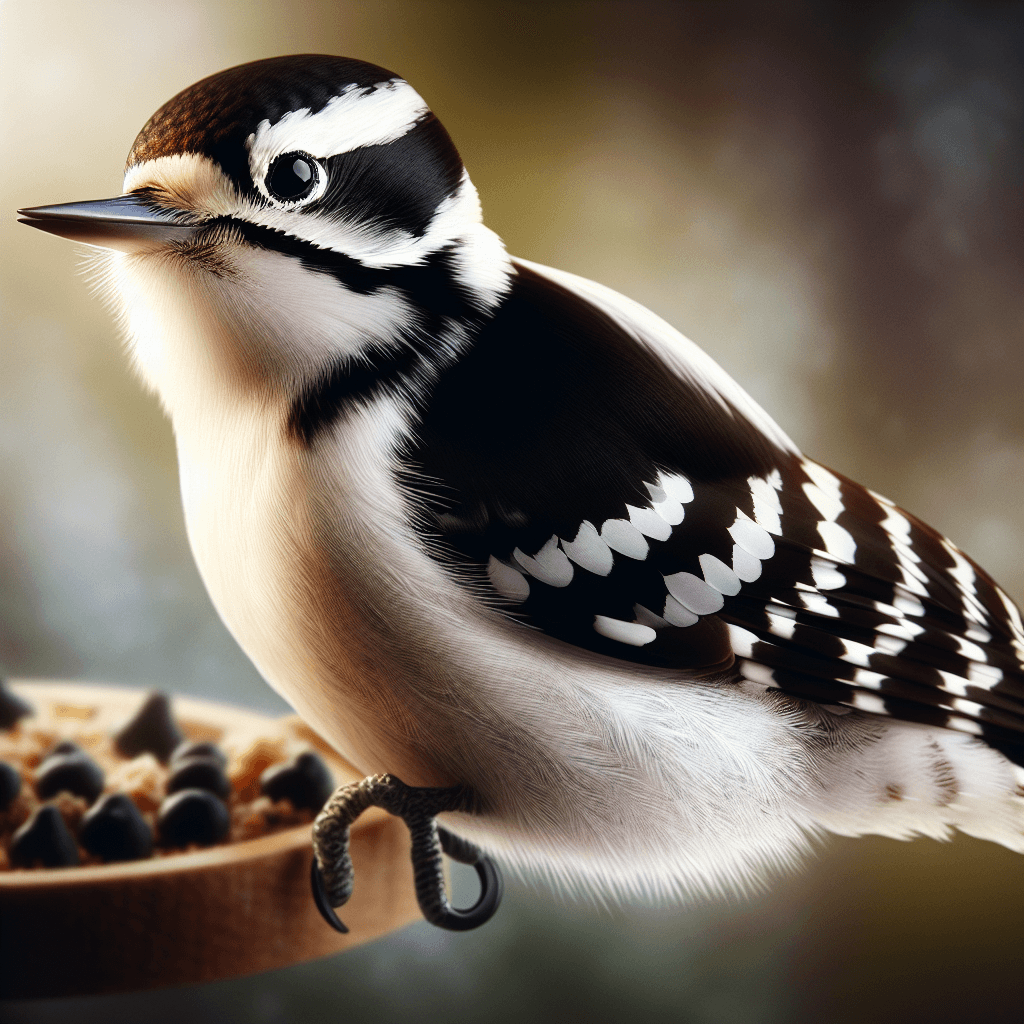
Downy Woodpecker
Dryocopus pubescens
Smallest North American woodpecker. Common backyard visitor to suet feeders.
Habitat
Woodlands, parks, orchards, backyards
Range
Throughout most of North America
Conservation Status
Least Concern
Field Marks
Small size, white back, short bill, males have red nape patch
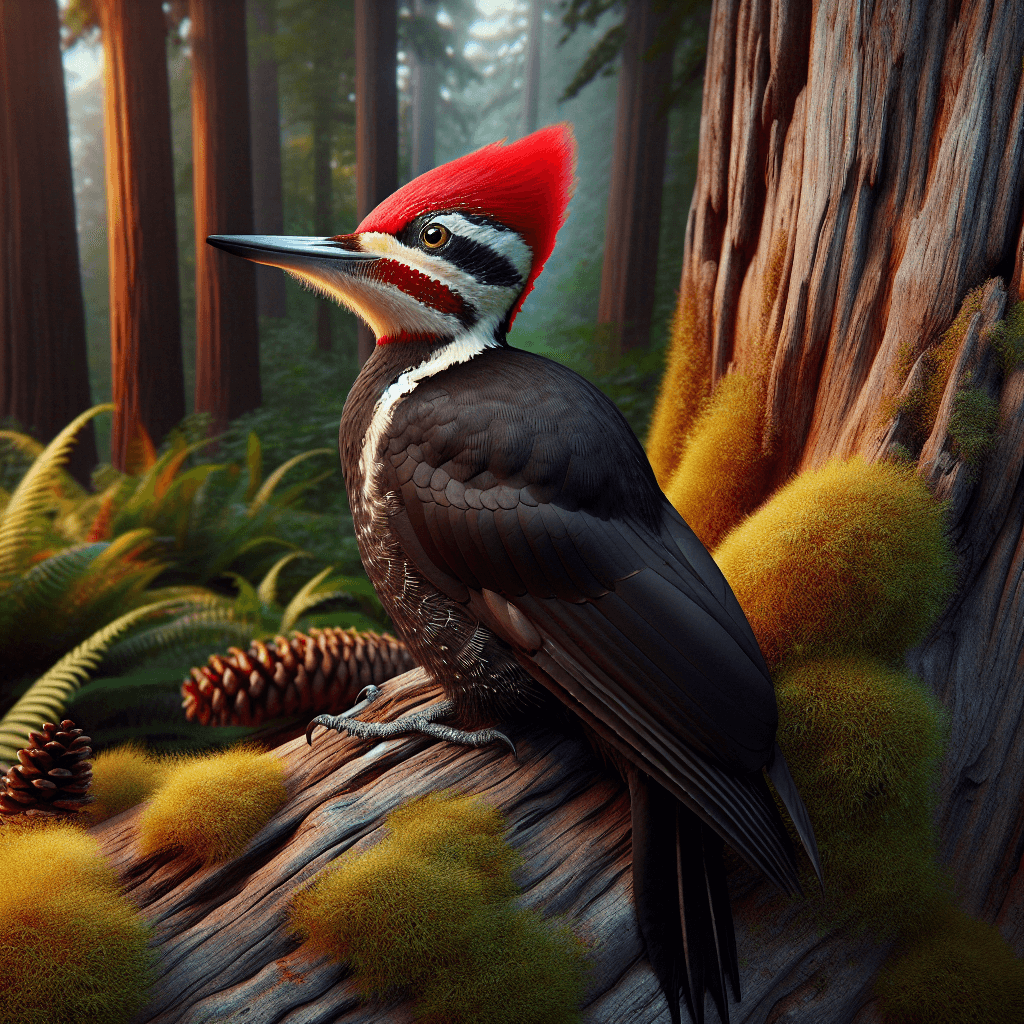
Pileated Woodpecker
Dryocopus pileatus
Crow-sized woodpecker with striking red crest. Largest woodpecker in most of North America.
Habitat
Mature forests with large trees
Range
Eastern and northwestern North America
Conservation Status
Least Concern
Field Marks
Large size, red crest, black body with white stripes, loud drumming
Woodpeckers (Picidae)
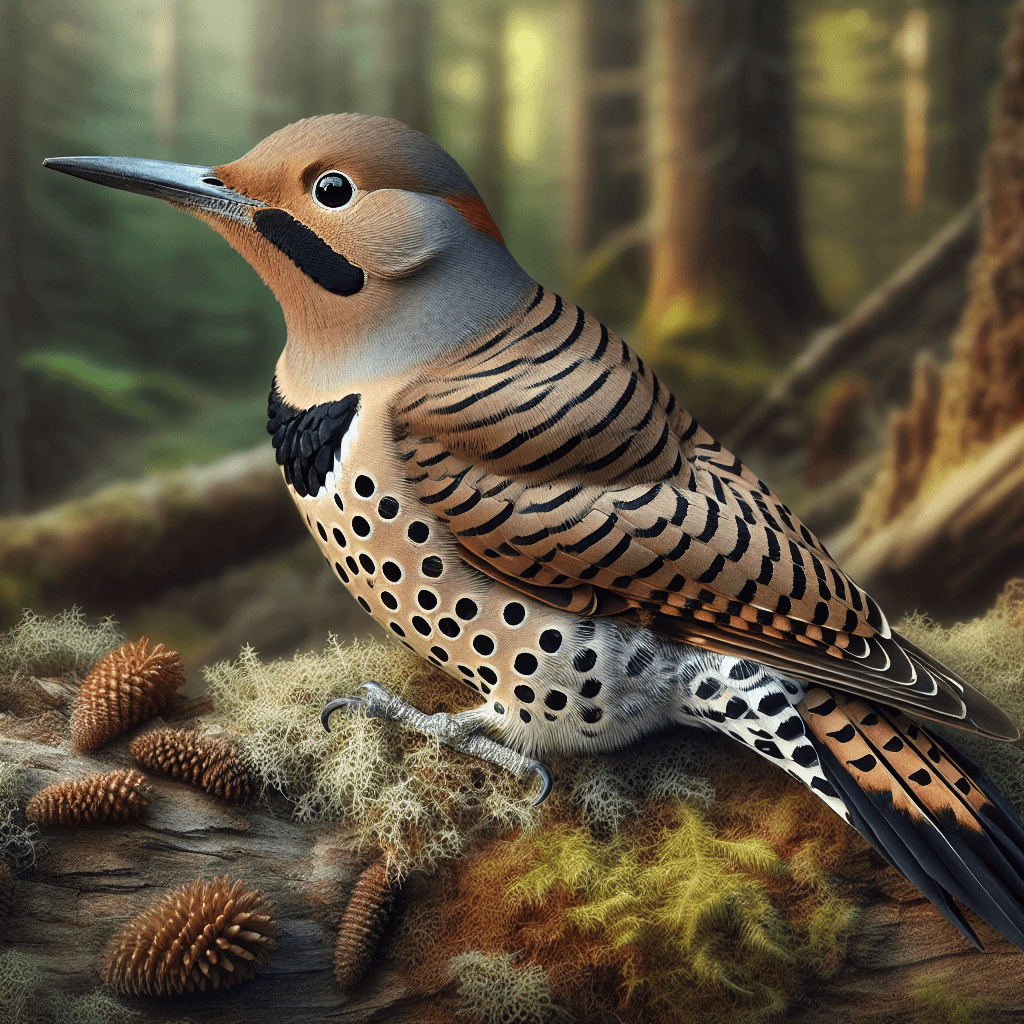
Northern Flicker
Colaptes auratus
A large, brownish woodpecker with distinctive spotted underparts and a prominent white rump patch visible in flight. Unlike typical woodpeckers, Northern Flickers often forage on the ground for ants and beetles, using their slightly curved bills to probe soil and bark crevices.
Habitat
Open woodlands, parks, suburbs, forest edges, and areas with scattered trees
Range
Throughout North America from Alaska to Mexico, year-round in most areas with northern populations migrating south in winter
Conservation Status
Least Concern
Field Marks
Brown back with black barring, spotted buff underparts, black bib, white rump patch in flight; males show red or black mustache stripe depending on subspecies (red-shafted vs yellow-shafted)
Learn More About Birds
Want to deepen your knowledge? Check out our expert contributors who write about bird identification, conservation, behavior, and more:
Note: This dictionary is automatically updated every Monday with a new species profile. Species information is generated by our AI ornithology experts and verified for accuracy. Conservation statuses are based on IUCN Red List assessments.