
Conservation Status
Endangered Birds
Critical conservation status birds that need our immediate attention and protection. Learn about the threats they face and how you can help.
30 endangered species documented • Updated weekly
About This Guide
This collection highlights bird species facing the threat of extinction. Each entry includes detailed information about why the species is endangered and ongoing conservation efforts. New species are added every Thursday!
Conservation Status Levels:
- Critically Endangered: Extremely high risk of extinction
- Endangered: High risk of extinction
- Vulnerable: High risk of becoming endangered
Status information follows IUCN Red List categories. Last updated: 6/11/2026

Eskimo Curlew
Critically EndangeredNumenius borealis
A medium-sized shorebird with a long, curved bill and mottled brown plumage. Distinguished from other curlews by its smaller size, shorter bill, and distinctive cinnamon-buff underwing linings visible in flight.
Habitat
Arctic tundra for breeding, prairie grasslands during migration, and coastal mudflats and beaches during winter
Range
Historically bred in Arctic Canada and Alaska, migrated through Great Plains to winter in Argentina; current range unknown as species may be extinct
Field Marks
Smaller than other curlews with a moderately curved dark bill, streaked brown upperparts, buffy underparts with dark streaking, and distinctive cinnamon underwings
⚠️ Why Endangered
The Eskimo Curlew was driven to near-extinction by massive overhunting during the late 1800s when millions were killed during migration through the Great Plains. Habitat loss on wintering grounds in South America and breeding areas in the Arctic, combined with the conversion of prairie stopover sites to agriculture, prevented any population recovery.
🌱 Conservation Efforts
Despite no confirmed sightings since 1963, researchers continue to search potential breeding and wintering habitats. The species is protected under the Migratory Bird Treaty Act, and habitat conservation efforts in the Arctic and Great Plains could benefit the species if any individuals remain. International cooperation focuses on protecting remaining grassland corridors along historical migration routes.

Steller's Sea Eagle
VulnerableHaliaeetus pelagicus
One of the world's largest and heaviest eagles, Steller's Sea Eagle is a massive raptor with distinctive black and white plumage and an enormous yellow beak. Adults display striking white shoulder patches, tail coverts, and forehead, contrasting sharply with their dark brown-black body feathers.
Habitat
Coastal areas, river mouths, and inland waterways in boreal and subarctic regions, preferring areas with abundant fish and large trees for nesting
Range
Primarily breeds along the coasts of northeastern Asia (Russia, particularly Kamchatka Peninsula) with some individuals wintering in Japan and occasionally appearing in Alaska and western North America
Field Marks
Massive size with 7-8 foot wingspan, enormous wedge-shaped yellow bill, white shoulders and tail coverts, dark body, white forehead patch in adults, and distinctively broad wings
⚠️ Why Endangered
Population decline is primarily driven by habitat loss from coastal development and logging of old-growth forests needed for nesting. Lead poisoning from ammunition in carrion, overfishing reducing prey availability, and climate change affecting sea ice patterns further threaten the species. Historical persecution and egg collection also contributed to population reduction.
🌱 Conservation Efforts
Russia has established protected areas in key breeding regions including zapovedniks (nature reserves) on the Kamchatka Peninsula. International cooperation between Russia, Japan, and other nations monitors migration patterns and wintering grounds. Efforts to reduce lead ammunition use and establish fishing quotas help protect prey species and reduce poisoning risks.

Ridgway's Hawk
Critically EndangeredButeo ridgwayi
A medium-sized raptor with distinctive gray-brown plumage, pale underparts with fine barring, and bright yellow legs and cere. Adults show a characteristic white-banded tail and piercing yellow eyes, while juveniles display more streaked brown plumage.
Habitat
Tropical dry forests, forest edges, agricultural areas with scattered trees, and coastal woodlands
Range
Endemic to Hispaniola (Dominican Republic and Haiti), with the vast majority of the population in the Dominican Republic
Field Marks
Gray-brown upperparts, pale barred underparts, white tail bands, yellow legs and cere, broad wings with dark flight feathers
⚠️ Why Endangered
Ridgway's Hawks face severe threats from deforestation and habitat conversion for agriculture, particularly in Haiti where forest cover has been drastically reduced. The species also suffers from direct persecution by farmers who mistakenly believe the hawks prey on poultry, though they primarily hunt lizards, snakes, and small mammals.
🌱 Conservation Efforts
The Peregrine Fund has led intensive conservation efforts including community education programs to reduce persecution, nest box installation to supplement natural cavities, and habitat protection initiatives. Captive breeding programs have been established, and local communities are being engaged as conservation partners through environmental education and sustainable livelihood programs.

Spoon-billed Sandpiper
Critically EndangeredCalidris pygmaea
A small shorebird with a distinctive spoon-shaped bill tip that flares into a paddle-like structure. During breeding season, adults display rusty-red head and breast plumage, while in winter they appear pale gray above with white underparts.
Habitat
Coastal mudflats, lagoons, and tidal areas during migration and winter; breeds in Arctic tundra with scattered vegetation near coastal areas
Range
Breeds in northeastern Russia (Chukotka); migrates through Alaska, Japan, and eastern Asia to winter in Southeast Asia including Myanmar, Thailand, and Bangladesh
Field Marks
Unique spatulate bill tip, small size (14-16 cm), dark legs, white wing stripe in flight, and distinctive feeding behavior of sweeping bill side to side
⚠️ Why Endangered
Habitat loss at stopover and wintering sites due to coastal development and aquaculture expansion has eliminated critical feeding areas. The species also faces hunting pressure along migration routes and climate change impacts on Arctic breeding grounds, with the population declining by over 90% since the 1970s.
🌱 Conservation Efforts
International breeding programs at Slimbridge in the UK and other facilities maintain captive populations for potential reintroduction. Habitat protection efforts focus on key sites in the Yellow Sea, while community engagement programs in Myanmar and Bangladesh work with local hunters to reduce mortality during migration.

Black Tern
VulnerableChlidonias niger
A small, agile tern with distinctive seasonal plumage changes. During breeding season, adults display striking black heads and underparts with dark gray wings and back, while non-breeding birds show white underparts with a distinctive dark cap and ear patch.
Habitat
Freshwater marshes, prairie potholes, shallow lakes, and wetlands with emergent vegetation for nesting
Range
Breeds across northern United States and southern Canada from the Great Lakes to the Pacific Northwest; winters along coasts of Central and South America
Field Marks
Small size, pointed wings, forked tail, black breeding plumage on head and body, gray wings, white rump patch, thin black bill
⚠️ Why Endangered
Populations have declined by over 50% since the 1960s due to widespread wetland drainage and degradation across the Great Plains and Great Lakes regions. Agricultural conversion, water level management, and climate change have eliminated critical nesting habitat, while pesticide use has reduced insect prey availability.
🌱 Conservation Efforts
Conservation groups are working with farmers and government agencies to restore prairie pothole wetlands and implement water level management strategies that benefit nesting terns. The North American Bird Conservation Initiative has identified Black Terns as a priority species, leading to targeted habitat restoration projects and monitoring programs across their breeding range.
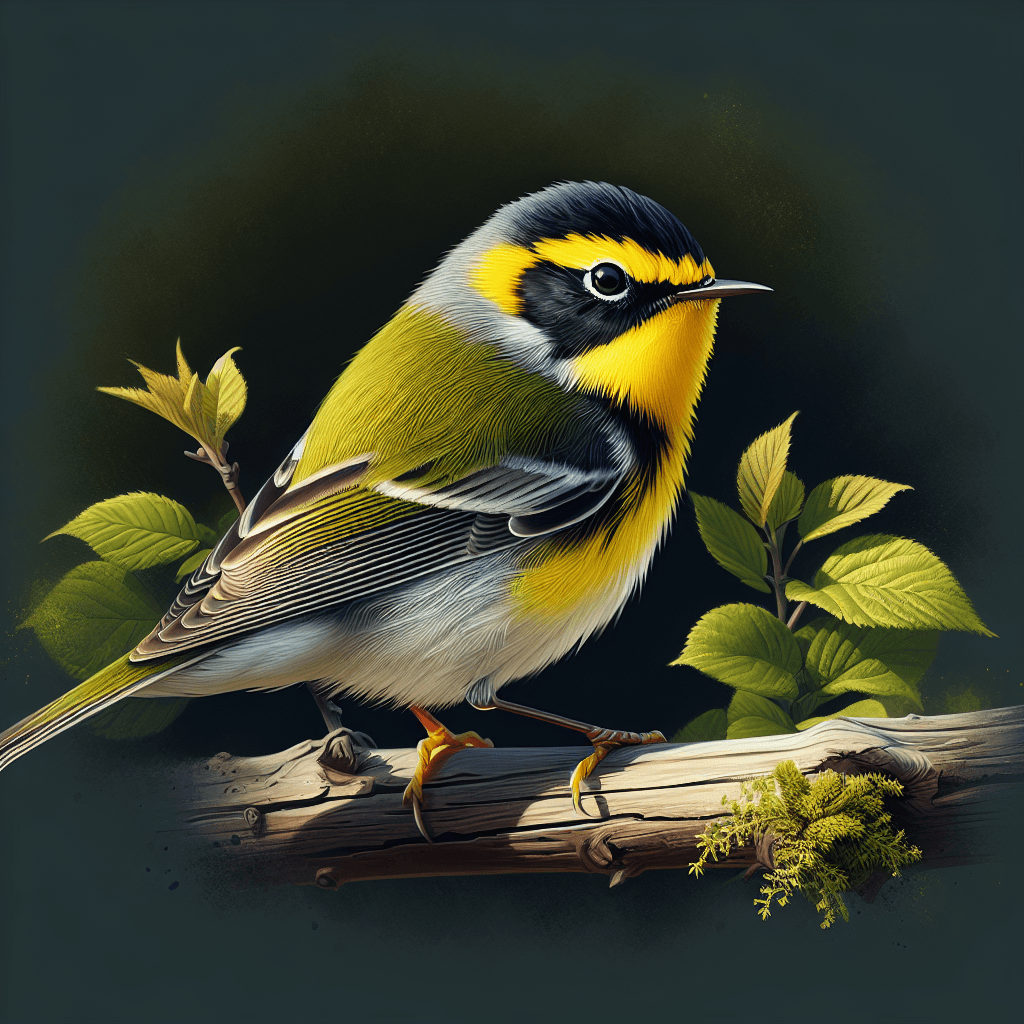
Bachman's Warbler
Critically EndangeredVermivora bachmanii
A small songbird with olive-green upperparts and yellow underparts. Males have a distinctive black bib and yellow forehead, while females lack the black throat markings and are more subdued in coloration.
Habitat
Bottomland hardwood forests, canebrakes, and swampy woodlands in the southeastern United States; wintered in Cuban forests
Range
Historically bred in southeastern United States from South Carolina to Missouri; wintered in Cuba. Last confirmed sightings in South Carolina and Alabama in the 1960s.
Field Marks
Small size, thin pointed bill, olive-green back, yellow underparts; male with black throat bib and yellow forehead patch; female duller without black markings
⚠️ Why Endangered
Massive habitat destruction of bottomland forests and canebrakes throughout the southeastern U.S. eliminated most breeding areas by the early 1900s. Deforestation in Cuban wintering grounds further reduced available habitat. The species was always relatively rare and specialized, making it particularly vulnerable to these widespread habitat losses.
🌱 Conservation Efforts
Despite extensive searches by ornithologists and birders over the past 50 years, no confirmed sightings have occurred since the 1960s. The species is protected under the Endangered Species Act, and suitable habitat restoration in areas like South Carolina's Francis Marion National Forest continues in hopes of supporting any remaining population. Cuba has also increased forest protection efforts.
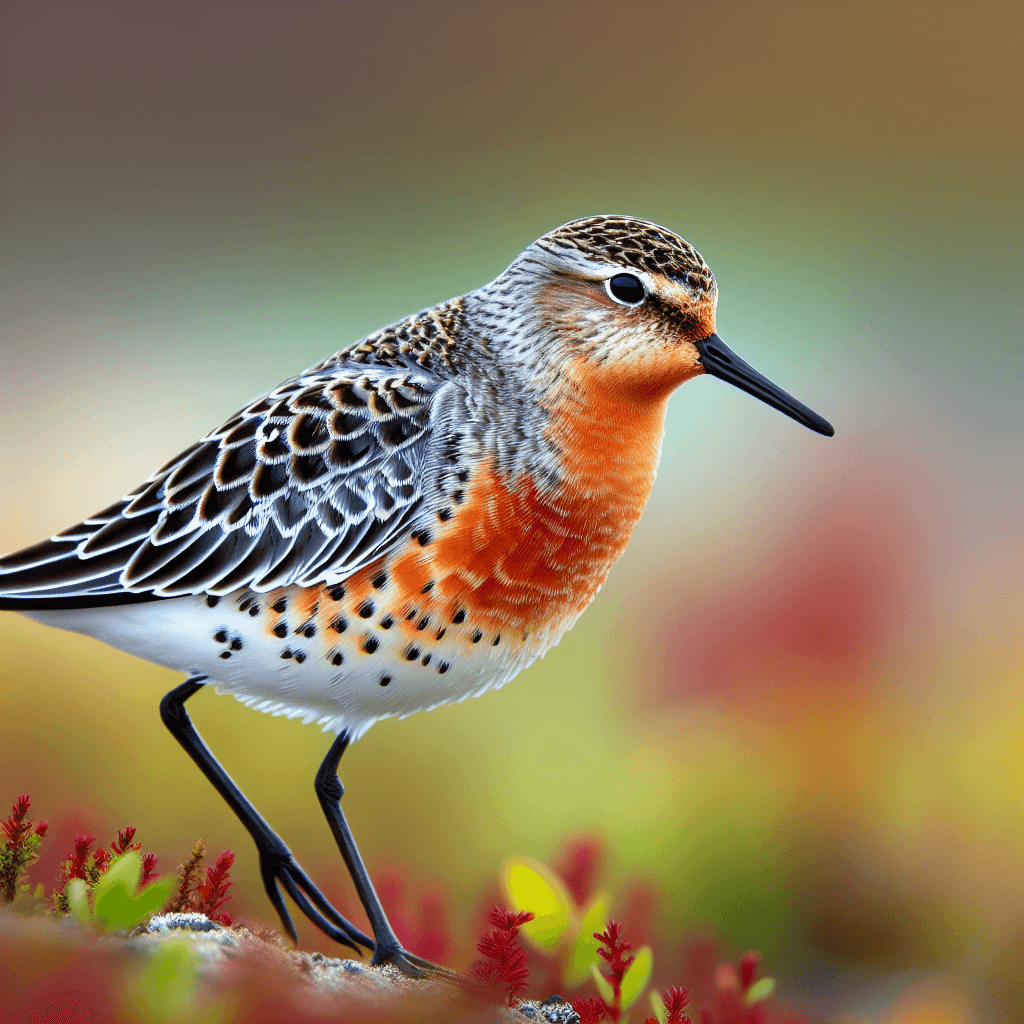
Red Knot
EndangeredCalidris canutus rufa
A chunky, robin-sized sandpiper with a distinctive rusty-red breast and face during breeding season. In winter, Red Knots display gray-brown upperparts and white underparts with a straight, dark bill and short yellowish legs.
Habitat
Arctic tundra for breeding; coastal mudflats, beaches, and intertidal zones during migration and winter
Range
Breeds in central Canadian Arctic; migrates through Atlantic coast to wintering grounds in South America, particularly Argentina
Field Marks
Chunky build, straight black bill, rusty-red breeding plumage, scaly gray winter plumage, yellowish legs, white rump in flight
⚠️ Why Endangered
The subspecies rufa has declined by over 75% since the 1980s due to overharvesting of horseshoe crabs, whose eggs are critical food during migration stops in Delaware Bay. Climate change affects both Arctic breeding grounds and coastal stopover sites, while coastal development destroys essential feeding areas.
🌱 Conservation Efforts
Horseshoe crab harvest restrictions have been implemented in Delaware Bay, and international cooperation protects key stopover sites through the Western Hemisphere Shorebird Reserve Network. Satellite tracking helps identify critical habitats, while beach management reduces human disturbance during migration.
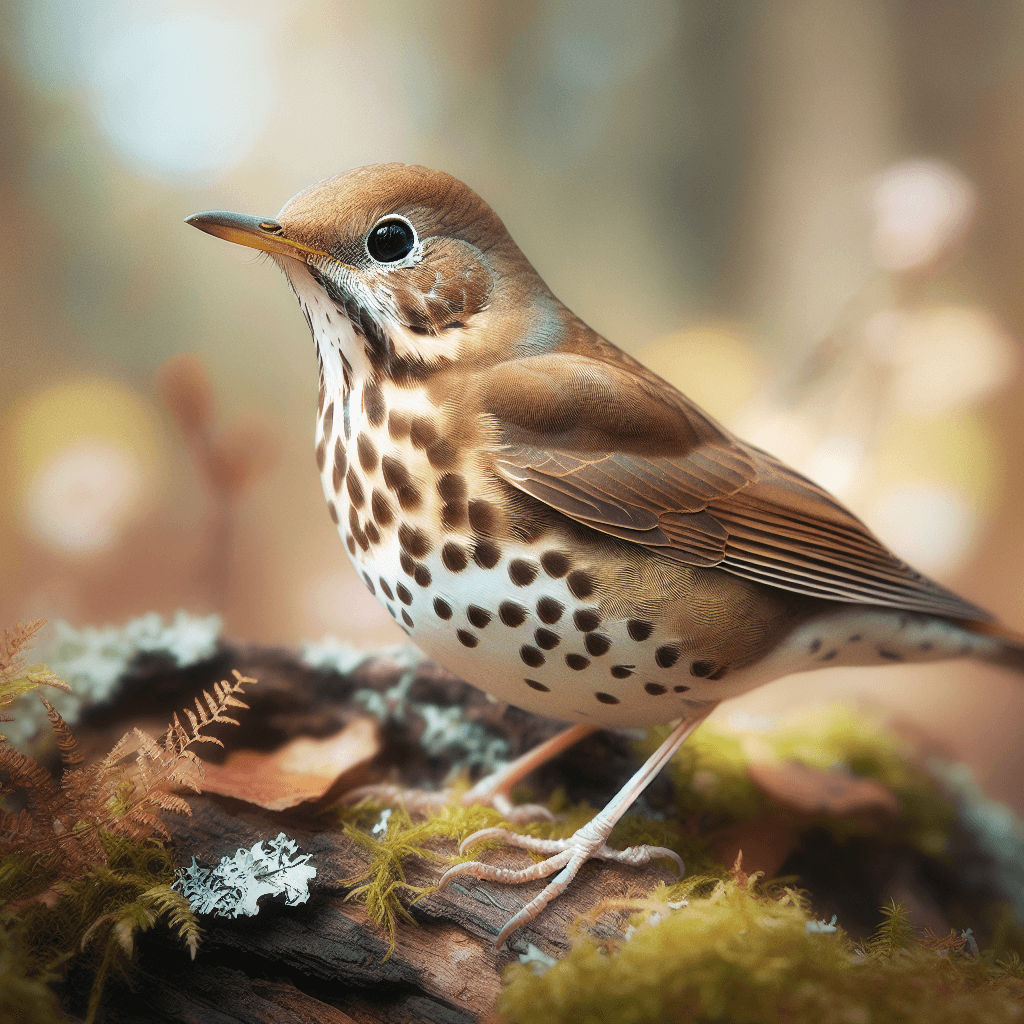
Bicknell's Thrush
VulnerableCatharus bicknelli
A small, olive-brown thrush with a spotted breast and distinctive yellowish lower mandible. This secretive songbird is one of North America's rarest breeding birds, closely resembling the Gray-cheeked Thrush but slightly smaller with warmer coloration on the tail and rump.
Habitat
High-elevation coniferous forests dominated by balsam fir and red spruce, typically above 3,000 feet in the northeastern United States and southeastern Canada
Range
Breeds in montane forests of Vermont, New Hampshire, Maine, New York's Adirondacks, and the Maritime Provinces; winters primarily in the Dominican Republic and Haiti
Field Marks
Olive-brown upperparts with warm rusty tones on tail, spotted whitish breast, thin pale eye-ring, and characteristic yellow-orange lower mandible
⚠️ Why Endangered
Population decline of approximately 7% annually due to habitat loss from ski resort development, wind energy projects, and climate change pushing suitable habitat to higher elevations. Acid rain has degraded high-elevation forests, while deforestation in Dominican Republic wintering grounds eliminates critical habitat.
🌱 Conservation Efforts
The Bicknell's Thrush Initiative coordinates research and conservation across its range, working with ski resorts to minimize habitat impacts and timing construction outside breeding season. Partners are restoring degraded montane forests and protecting key wintering habitat in Hispaniola through land acquisition and sustainable forestry programs.
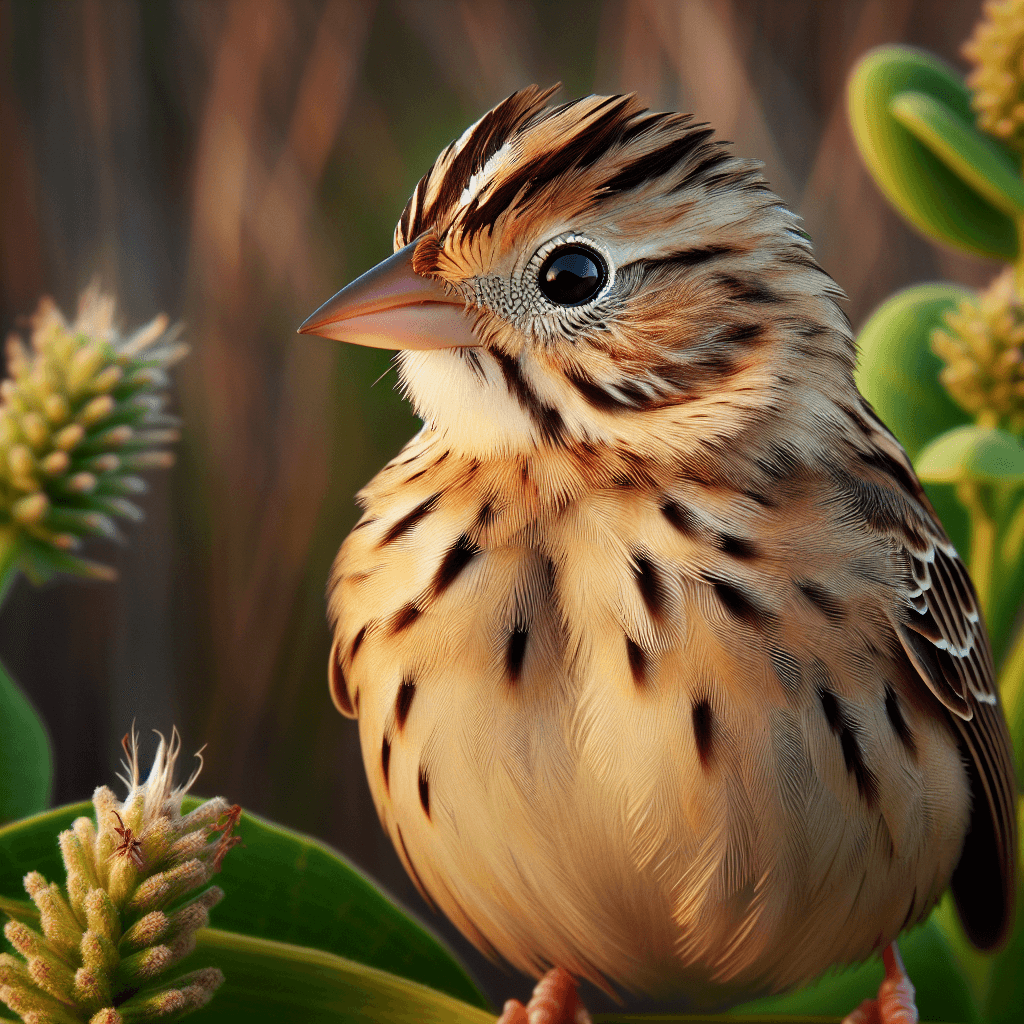
Florida Grasshopper Sparrow
Critically EndangeredAmmodramus savannarum floridanus
A small, secretive sparrow with a flat head, short tail, and distinctive grasshopper-like buzzing song. Adults have streaked brown upperparts, a buffy breast with minimal streaking, and a pale yellow spot in front of the eye.
Habitat
Dry prairie grasslands with sparse shrub cover, particularly areas maintained by fire with bunch grasses and open ground for foraging
Range
South-central Florida, primarily in Kissimmee Prairie, with small populations at Avon Park Air Force Range and other scattered prairie remnants
Field Marks
Flat-headed profile, short tail, buffy unstreaked breast, yellow lores, secretive ground-dwelling behavior, and distinctive insect-like buzz call
⚠️ Why Endangered
Habitat loss has been catastrophic, with over 85% of Florida's dry prairie converted to agriculture and development. Fire suppression has allowed shrubs to encroach on remaining grasslands, while cattle grazing and invasive plants have degraded prairie quality, reducing suitable nesting sites and insect prey availability.
🌱 Conservation Efforts
Intensive captive breeding programs at White Oak Conservation and Rare Species Conservatory Foundation have produced birds for release since 2019. Land managers are restoring prairie habitat through prescribed burns, invasive species removal, and cattle grazing modifications on public lands including Kissimmee Prairie Preserve State Park.
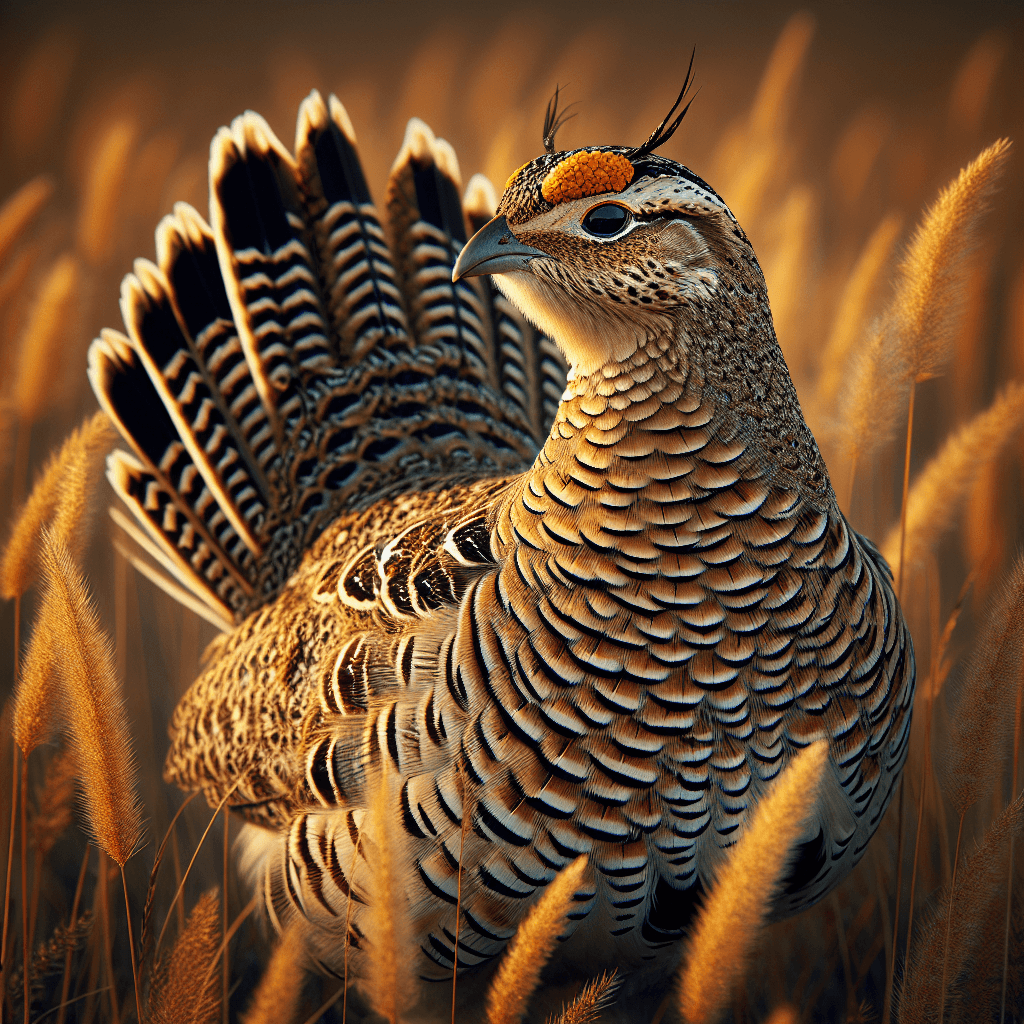
Lesser Prairie-Chicken
VulnerableTympanuchus pallidicinctus
A medium-sized grouse with intricate barred plumage in browns and buffs that provides excellent camouflage in grassland habitats. Males display distinctive orange air sacs and elongated neck feathers during elaborate courtship dances, while both sexes have feathered legs and rounded wings adapted for short, powerful flights.
Habitat
Short-grass and mixed-grass prairie, sand sagebrush prairie, and shinnery oak grasslands with scattered shrubs for cover
Range
Fragmented populations across portions of Colorado, Kansas, New Mexico, Oklahoma, and Texas - historically occupied 6 times more territory
Field Marks
Heavily barred brown and buff plumage, short rounded tail with white outer feathers, feathered legs, males have orange neck sacs and pointed neck feathers during breeding season
⚠️ Why Endangered
Habitat loss to agricultural conversion, oil and gas development, and urban expansion has eliminated over 80% of native prairie habitat. Additional threats include power line collisions, drought, invasive species, and fragmentation that isolates small populations and disrupts breeding behaviors.
🌱 Conservation Efforts
The Lesser Prairie-Chicken Initiative coordinates habitat restoration across five states through voluntary landowner agreements and federal programs. Captive breeding programs supplement wild populations, while wind energy development guidelines reduce collision mortality and habitat disturbance in key areas.
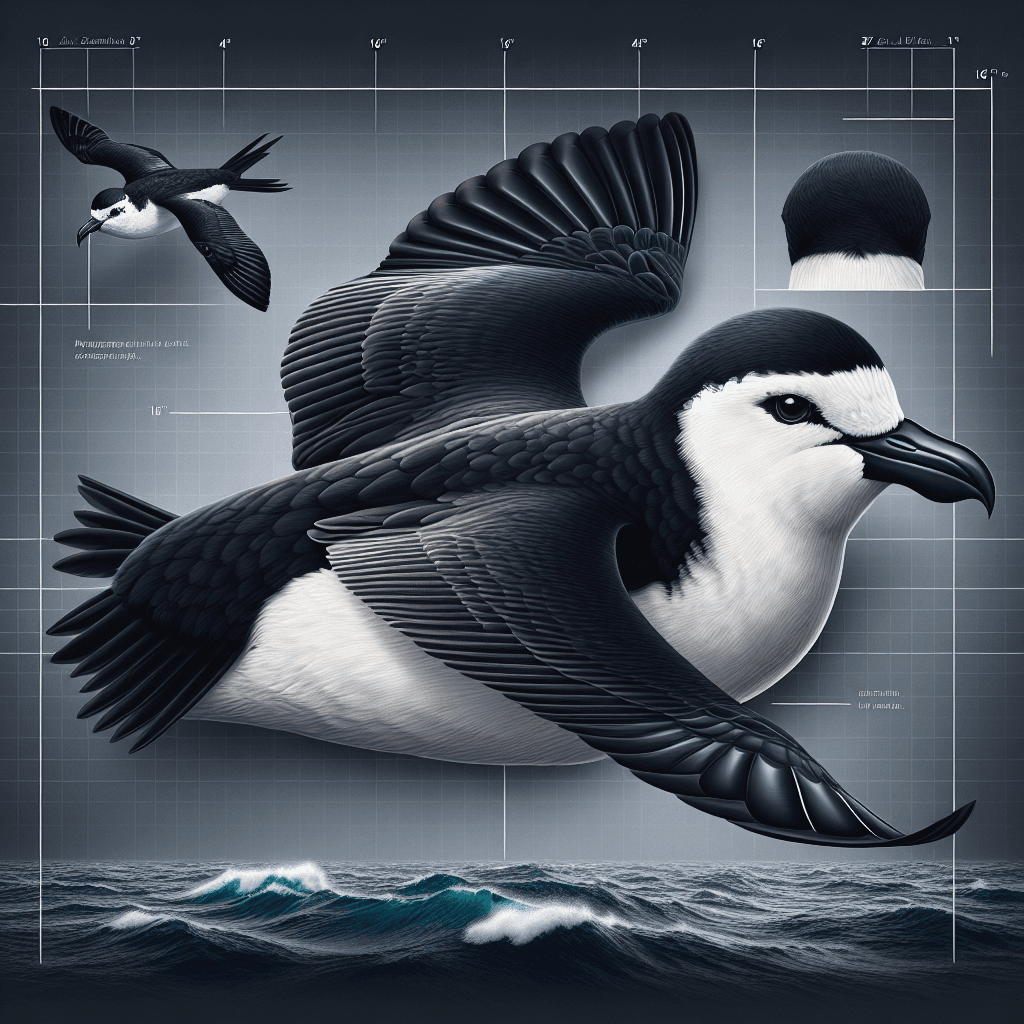
Black-capped Petrel
EndangeredPterodroma hasitata
A large seabird with distinctive black and white plumage, featuring a black cap extending below the eye, white forehead, and dark upperparts contrasting with bright white underparts. This gadfly petrel has long, narrow wings adapted for dynamic soaring over ocean waters and measures about 16 inches in length with a 37-inch wingspan.
Habitat
Pelagic waters of the western Atlantic Ocean for feeding; nests in burrows on steep, forested mountain slopes and cliffs at high elevations
Range
Breeds primarily in the mountains of Haiti and Dominican Republic on Hispaniola; ranges widely across the western Atlantic from the Caribbean to waters off the eastern United States and Canada during non-breeding season
Field Marks
Black cap extending below eye, bright white forehead and collar, dark gray-brown upperparts, white underparts, white rump patch, and distinctive flight pattern with stiff-winged gliding punctuated by quick wingbeats
⚠️ Why Endangered
Population severely declined due to extensive deforestation in nesting areas on Hispaniola, with habitat conversion for agriculture and charcoal production destroying mountain forests. Additional threats include introduced predators like cats, dogs, and rats at nest sites, light pollution disorienting fledglings, and historically significant hunting pressure that eliminated some breeding colonies entirely.
🌱 Conservation Efforts
International collaboration between BirdLife International, local organizations, and government agencies focuses on protecting remaining nesting sites through habitat restoration and predator control programs. Community education initiatives work with local residents to reduce hunting and disturbance, while researchers use radar and acoustic monitoring to locate previously unknown colonies and track population recovery in protected areas.

Northern Spotted Owl
VulnerableStrix occidentalis caurina
A medium-sized owl with dark brown plumage heavily marked with white spots and bars, giving it a mottled appearance. It has large, dark eyes and lacks ear tufts, with a distinctive facial disc that helps funnel sound to its ears.
Habitat
Old-growth and mature coniferous forests, particularly those dominated by Douglas fir, western hemlock, and redwood trees with dense canopy cover
Range
Pacific Northwest from British Columbia through Washington, Oregon, and northern California, primarily in the Cascade Range and Coast Ranges
Field Marks
Medium size with rounded head, no ear tufts, brown plumage with white spots, dark eyes, yellow-orange bill and feet, distinctive hooting call
⚠️ Why Endangered
Habitat loss due to intensive logging of old-growth forests has eliminated over 90% of suitable nesting habitat since the 1800s. Competition from the larger, more aggressive Barred Owl, which has expanded westward into Spotted Owl territory, poses an additional significant threat through territorial displacement and hybridization.
🌱 Conservation Efforts
The Northwest Forest Plan protects remaining old-growth habitat on federal lands, while captive breeding programs and habitat restoration projects work to maintain genetic diversity and expand suitable nesting areas. Experimental Barred Owl removal programs are being tested to reduce competitive pressure, and strict monitoring tracks population trends across the species' range.

Spotted Owl
VulnerableStrix occidentalis
The Spotted Owl is a medium-sized owl with dark brown plumage marked by white spots on the head, neck, and underparts. It has large, dark eyes and lacks ear tufts, giving it a rounded facial appearance typical of wood owls.
Habitat
Old-growth coniferous and mixed forests with dense canopy cover, particularly in Douglas fir, redwood, and mixed evergreen forests
Range
Pacific Northwest from British Columbia through Washington, Oregon, and Northern California, with isolated populations in the Southwest
Field Marks
Medium-sized owl with brown and white spotted plumage, dark eyes, no ear tufts, and distinctive four-note hooting call
⚠️ Why Endangered
The Spotted Owl's decline is primarily due to extensive logging of old-growth forests, which has eliminated over 90% of its preferred habitat since the 1800s. Competition from the larger, more aggressive Barred Owl, which has expanded westward into Spotted Owl territory, has further pressured populations through territorial displacement and hybridization.
🌱 Conservation Efforts
The Northwest Forest Plan established habitat reserves and reduced logging on federal lands, while ongoing research monitors population trends and habitat quality. Controversial management includes experimental removal of Barred Owls in some areas to reduce competition, combined with habitat restoration projects to improve forest connectivity.
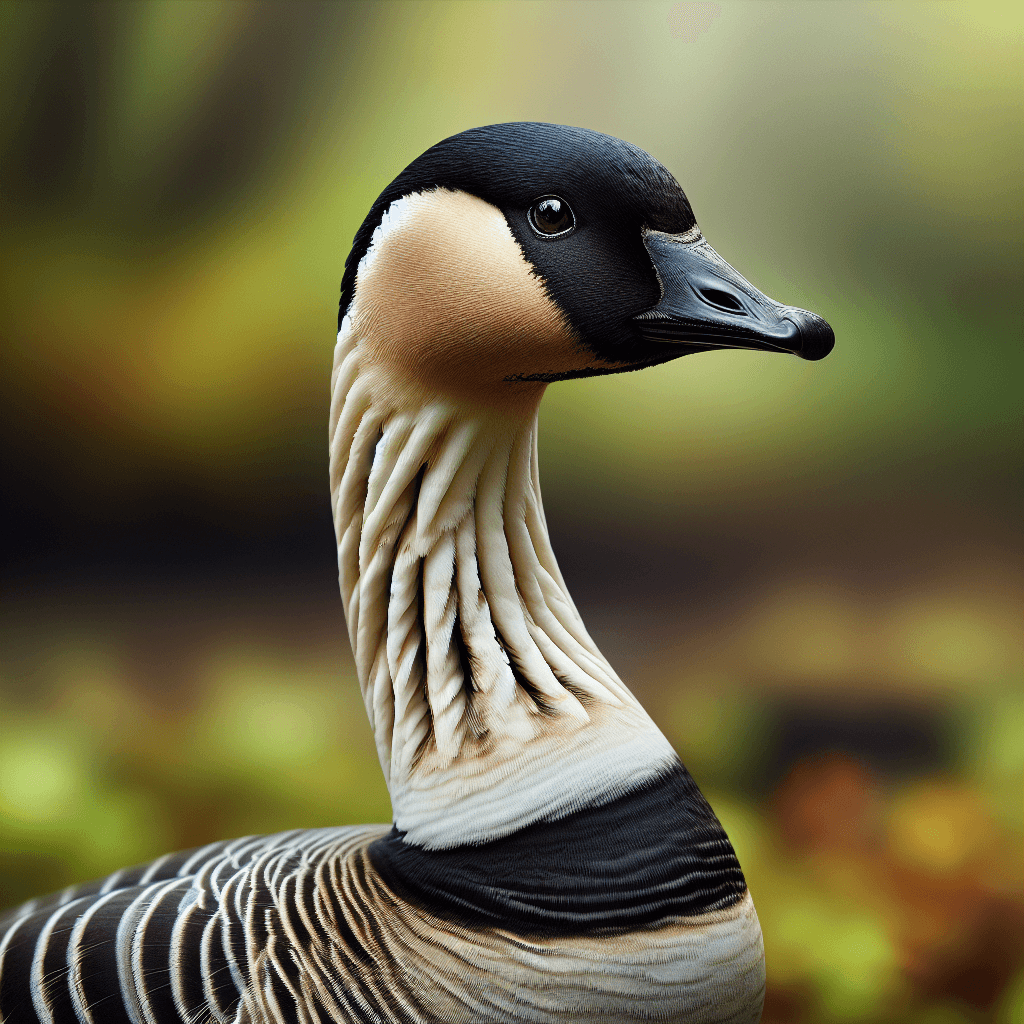
Hawaiian Goose (Nēnē)
VulnerableBranta sandvicensis
The Hawaiian Goose is a medium-sized waterfowl with distinctive buff and black barring on its back and wings, a black head and bill, and cream-colored cheeks. Unlike most geese, it has reduced webbing between its toes, an adaptation for walking on rough volcanic terrain.
Habitat
Volcanic slopes, grasslands, scrublands, and lava flows from sea level to 8,000 feet elevation
Range
Endemic to Hawaiian Islands, primarily on Hawaii (Big Island), Maui, Molokai, and Kauai
Field Marks
Black head and nape, buff-colored neck with dark furrows, reduced toe webbing, distinctive honking call, smaller than Canada Goose
⚠️ Why Endangered
The Nēnē nearly went extinct due to overhunting, habitat destruction from introduced cattle and goats, and predation by introduced mammals like cats, dogs, and mongooses. By 1952, only 30 birds remained in the wild, making it one of the world's rarest geese.
🌱 Conservation Efforts
Intensive captive breeding programs began in the 1950s in Hawaii and at Slimbridge Wildfowl Trust in England, leading to successful reintroduction efforts. Habitat restoration, predator control, and legal protection as Hawaii's state bird have supported recovery, though ongoing management of introduced species remains critical.
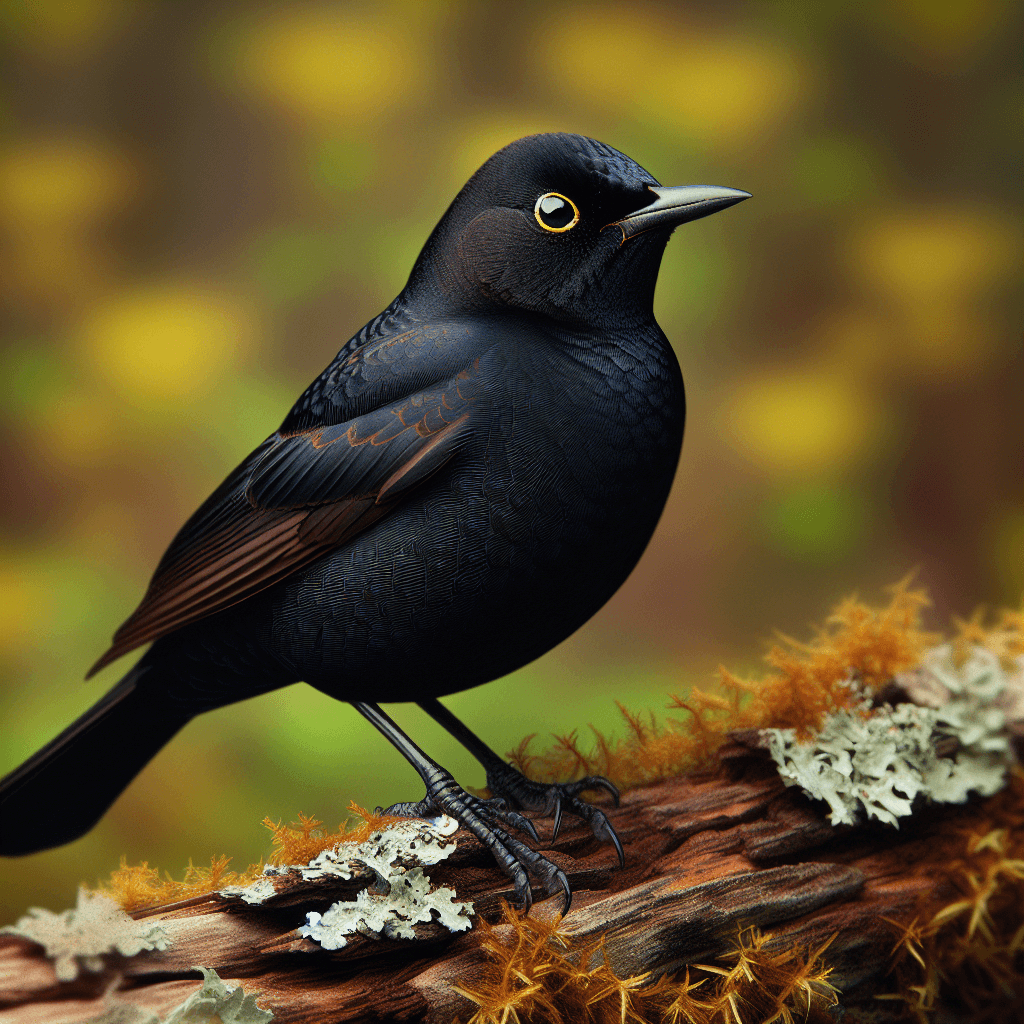
Rusty Blackbird
VulnerableEuphagus carolinus
A medium-sized blackbird with a slender bill and yellow eyes. Males are glossy black during breeding season, while females are gray-brown with lighter underparts. In fall and winter, both sexes develop rusty-edged feathers that give the species its name.
Habitat
Boreal forests, especially wet woodlands, beaver ponds, wooded swamps, and muskegs during breeding; agricultural areas, feedlots, and wetlands during migration and winter
Range
Breeds across boreal Canada and Alaska, with small populations in northern New England; winters in southeastern United States from Texas to the Atlantic coast
Field Marks
Yellow eyes, slender pointed bill, rusty feather edges in non-breeding plumage, males glossy black in breeding season, females brownish-gray year-round
⚠️ Why Endangered
The Rusty Blackbird has experienced one of the most severe population declines of any North American songbird, with numbers dropping by approximately 85-95% since the 1960s. Primary threats include habitat loss from logging and development in boreal breeding areas, wetland drainage, mercury contamination from industrial pollution, and climate change affecting northern forest ecosystems.
🌱 Conservation Efforts
The International Rusty Blackbird Working Group coordinates research and conservation across the species' range, including habitat management on public lands, monitoring breeding populations, and studying migration routes. Partners in Flight has designated it as a species of continental concern, leading to increased research funding and habitat protection efforts in key breeding areas.
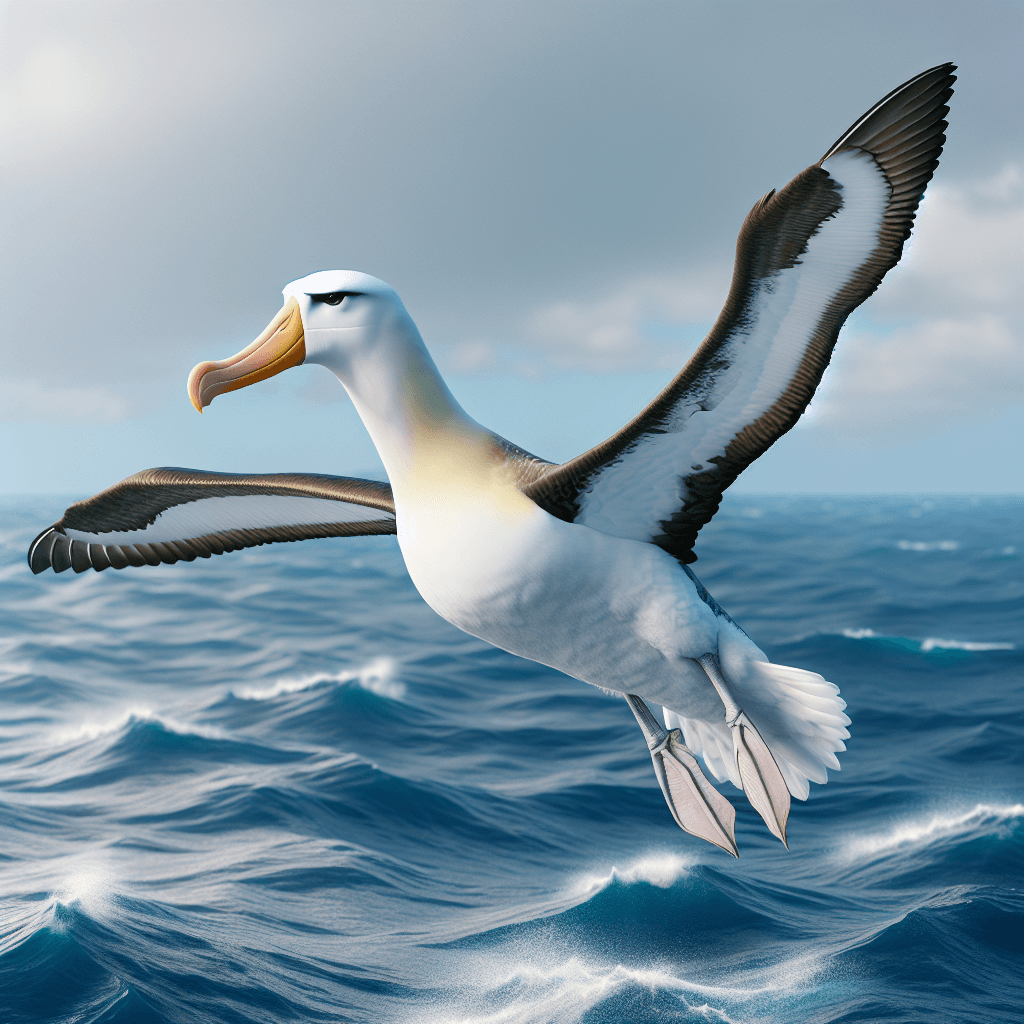
Laysan Albatross
VulnerablePhoebastria immutabilis
The Laysan Albatross is a large seabird with a distinctive white body, dark gray-brown back and wings, and a hooked yellow-orange bill with dark tip. Adults have a wingspan reaching 6.5 feet and are known for their graceful soaring flight over ocean waters.
Habitat
Open ocean waters for foraging, nesting colonially on sandy beaches and grassy areas of remote Pacific islands
Range
North Pacific Ocean, breeding primarily on Hawaiian islands including Laysan, Midway, and increasingly on higher islands like Kauai and Oahu
Field Marks
Large size, white head and body, dark back and wing tops, yellow-orange hooked bill, dark eye patch, long narrow wings held stiffly in flight
⚠️ Why Endangered
Primary threats include plastic pollution and marine debris ingestion, which kills chicks and adults, as well as rising sea levels threatening low-lying nesting colonies. Introduced predators like rats and cats on breeding islands, longline fishing bycatch, and climate change impacts on food sources further threaten populations.
🌱 Conservation Efforts
Active management includes predator control on nesting islands, plastic debris removal from colonies, and satellite tracking to identify critical foraging areas. Conservation groups work with fishing industries to reduce bycatch through bird-safe fishing practices, while habitat restoration and translocation programs help establish new colonies on predator-free islands at higher elevations.
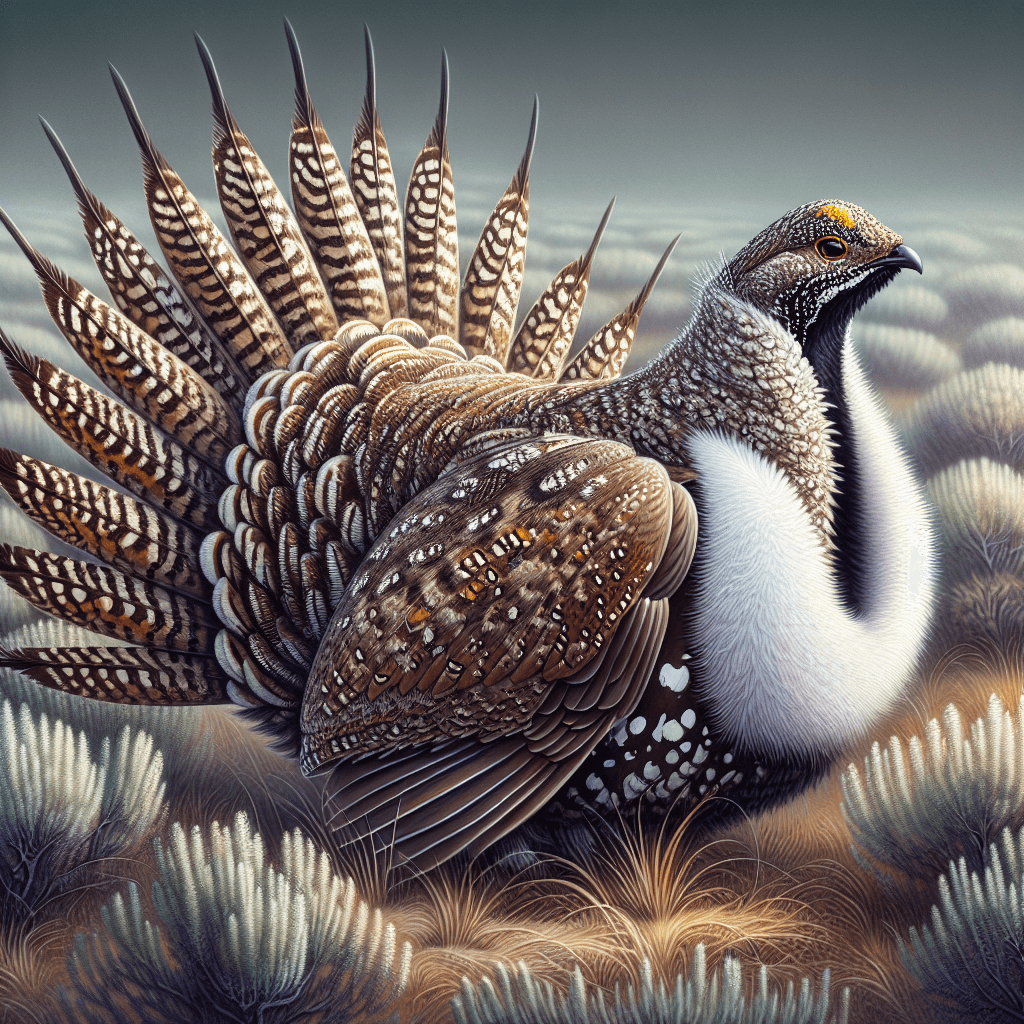
Gunnison Sage-Grouse
EndangeredCentrocercus minimus
A large, ground-dwelling grouse with mottled brown and gray plumage that provides excellent camouflage in sagebrush habitat. Males are distinguished by their elaborate courtship displays featuring inflated yellow air sacs, fanned tail feathers, and distinctive popping sounds.
Habitat
High-elevation sagebrush ecosystems, particularly areas dominated by Gunnison Basin sagebrush, requiring large expanses of intact habitat for breeding, nesting, and winter survival
Range
Extremely limited to small populations in southwestern Colorado and southeastern Utah, primarily in the Gunnison Basin and surrounding areas
Field Marks
Smaller than Greater Sage-Grouse with distinctive tail feather pattern showing light band near tip, males display bright yellow air sacs during breeding season, robust body with feathered legs
⚠️ Why Endangered
Habitat loss and fragmentation from agricultural conversion, energy development, and urban expansion have eliminated much of their specialized sagebrush ecosystem. The species was only recognized as distinct from Greater Sage-Grouse in 2000, and populations have declined due to small population size, limited genetic diversity, and vulnerability to disease outbreaks and severe weather events.
🌱 Conservation Efforts
The species was listed under the Endangered Species Act in 2014, leading to habitat protection measures and restoration projects. Conservation efforts include working with private landowners to maintain sagebrush habitat, removing pinyon pine and juniper encroachment, and implementing seasonal restrictions on human activities during critical breeding periods.
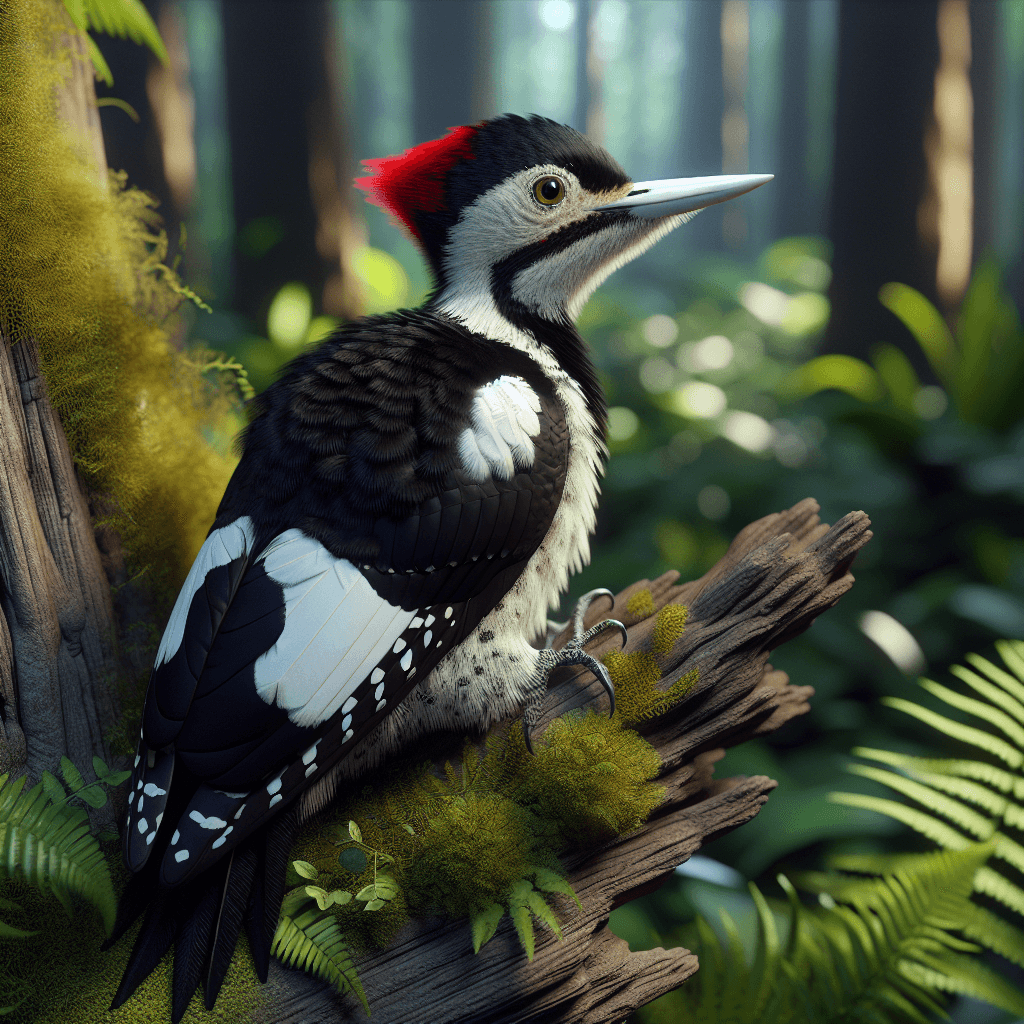
Ivory-billed Woodpecker
Critically EndangeredCampephilus principalis
The Ivory-billed Woodpecker is North America's largest woodpecker, measuring 19-21 inches long with a distinctive white bill and striking black and white plumage. Males display a prominent red crest while females have a black crest, and both sexes show large white wing patches visible in flight.
Habitat
Mature bottomland hardwood forests and swamplands with large, old-growth trees, particularly those with abundant dead and dying timber
Range
Historically found throughout southeastern United States from Texas to Florida and north to Illinois; possibly extinct with unconfirmed sightings in Arkansas, Louisiana, and Cuba
Field Marks
Massive size, ivory-white bill, black body with white wing patches, white neck stripes, and red crest on males; distinctive double-knock drumming pattern
⚠️ Why Endangered
Extensive logging of old-growth bottomland forests throughout the 19th and 20th centuries eliminated nearly all suitable habitat. The species requires large territories of mature forest with abundant beetle-infested dead trees for foraging, and such ecosystems have been reduced by over 90% across their former range.
🌱 Conservation Efforts
The U.S. Fish and Wildlife Service continues monitoring potential habitat areas and investigates reported sightings. Large-scale forest restoration projects in Arkansas, Louisiana, and other southeastern states aim to recreate suitable old-growth conditions. The species remains federally protected, and substantial funding has been allocated for habitat conservation and species searches.
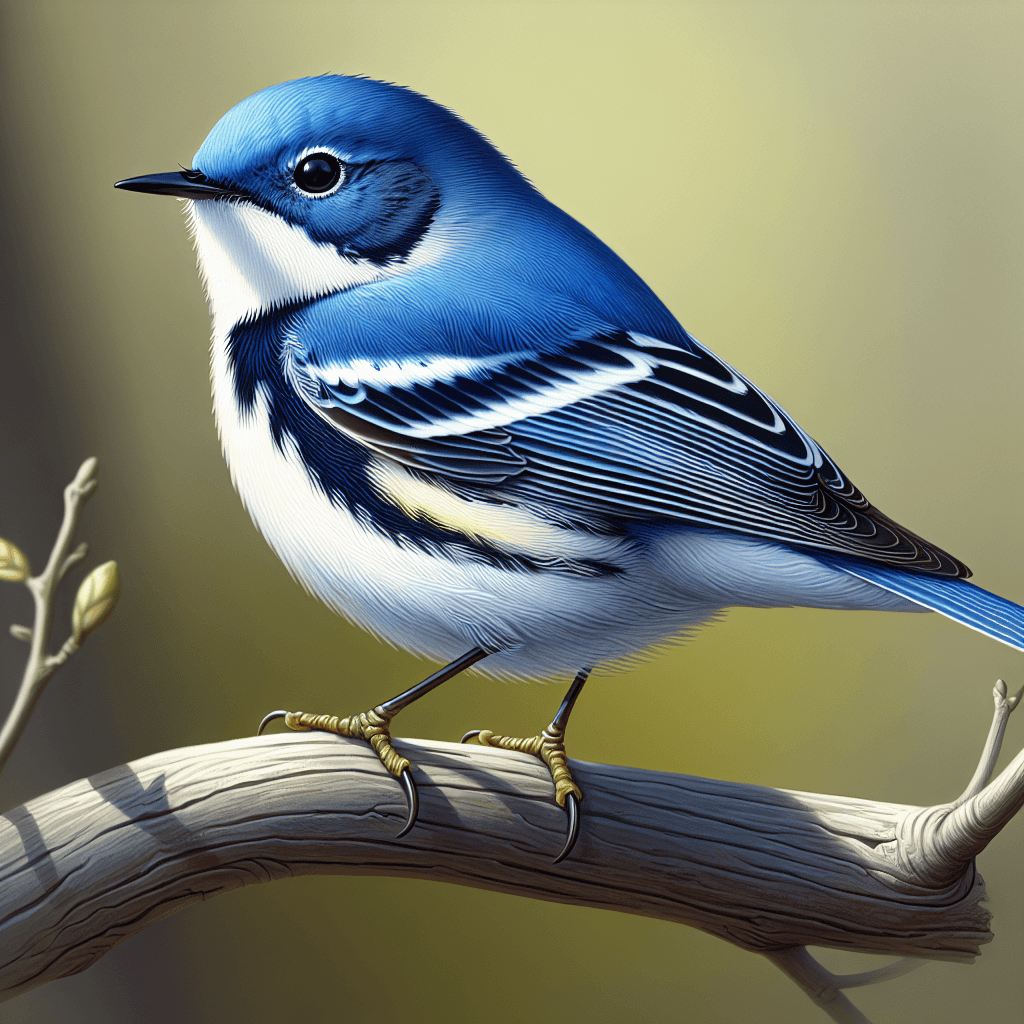
Cerulean Warbler
VulnerableSetophaga cerulea
A small songbird with brilliant cerulean blue upperparts and white underparts, the male distinguished by a distinctive dark blue necklace across the breast. Females are blue-gray above with a pale yellow wash below and lack the male's dark breast band.
Habitat
Mature deciduous and mixed forests with tall canopy trees, particularly favoring oak, maple, and hickory forests near streams and gaps
Range
Breeds in eastern North America from southern Ontario to northern Georgia, winters in South American Andes from Venezuela to Peru
Field Marks
Sky-blue upperparts, white underparts, dark necklace on males, white wing bars, and preference for high forest canopy
⚠️ Why Endangered
Population has declined by over 70% since the 1960s due to extensive deforestation on both breeding and wintering grounds. Mountaintop removal mining in Appalachia has destroyed critical breeding habitat, while coffee plantation expansion and deforestation in South American wintering areas eliminate essential forest corridors.
🌱 Conservation Efforts
The Cerulean Warbler Technical Group coordinates international conservation efforts including habitat protection in key breeding areas, promotion of shade-grown coffee farming in wintering regions, and research on migration routes. Partners are working to establish forest corridors and restore degraded mining areas while supporting sustainable forestry practices.
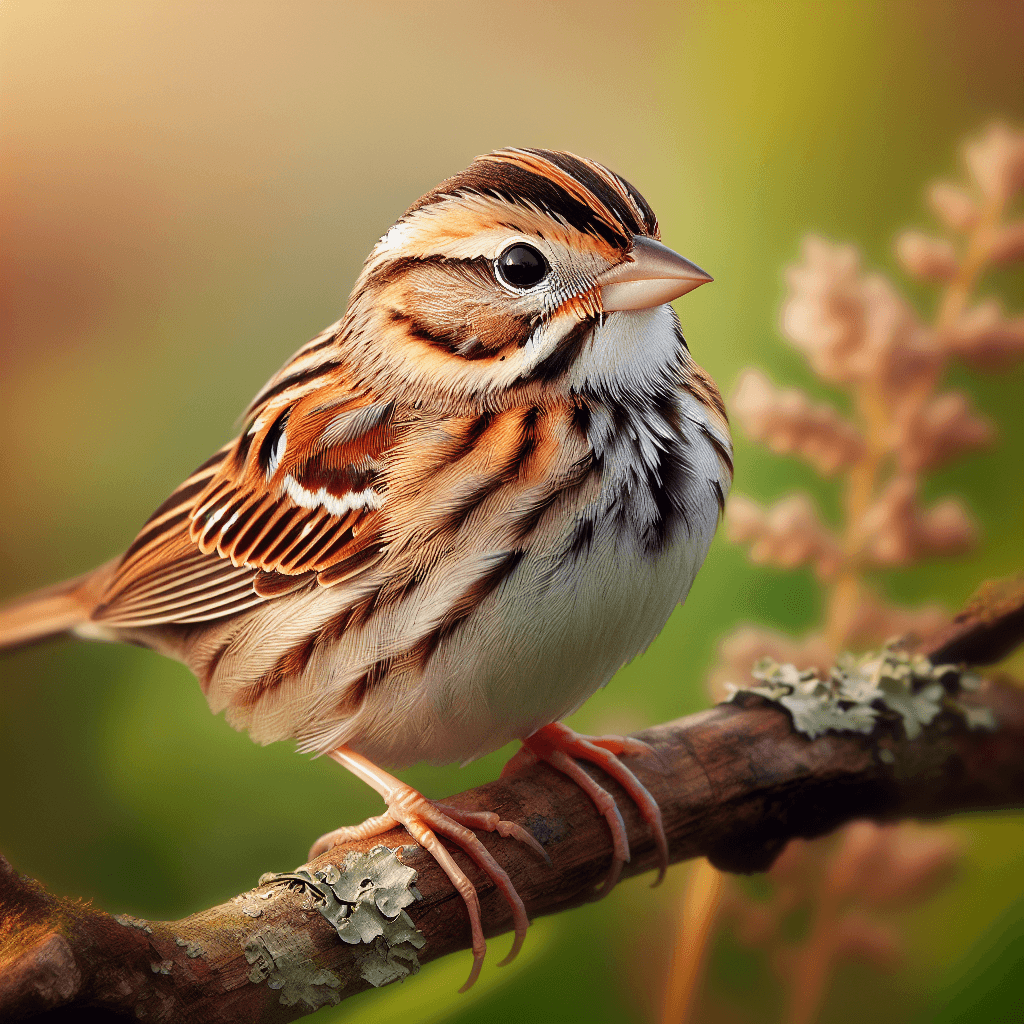
Saltmarsh Sparrow
EndangeredAmmospiza caudacuta
A small, secretive sparrow with streaky brown and gray plumage, distinctive orange-buff face, and sharply pointed tail. Adults have a grayish nape, white throat with dark whisker marks, and heavily streaked underparts with buff-colored breast and flanks.
Habitat
Salt marshes along the Atlantic coast, specifically high marsh areas with dense cordgrass and saltmeadow hay
Range
Atlantic coast from Maine to Virginia, with breeding concentrated in Massachusetts, Connecticut, New York, and New Jersey salt marshes
Field Marks
Orange-buff face and supercilium, sharp-pointed tail, dark crown with gray central stripe, heavily streaked breast and flanks
⚠️ Why Endangered
Sea level rise is the primary threat, flooding nests during high tides with increasing frequency due to climate change. Salt marsh habitat has been lost to coastal development, and remaining marshes are being squeezed between rising seas and human infrastructure. The species' specialized nesting strategy, timed to lunar cycles to avoid highest tides, is failing as extreme high tides become more frequent.
🌱 Conservation Efforts
Scientists are working with land managers to restore and create higher elevation nesting areas within salt marshes. Living shoreline projects use natural materials to slow erosion and provide marsh migration space. Research programs monitor breeding success and are developing assisted migration strategies to help populations adapt to changing conditions.
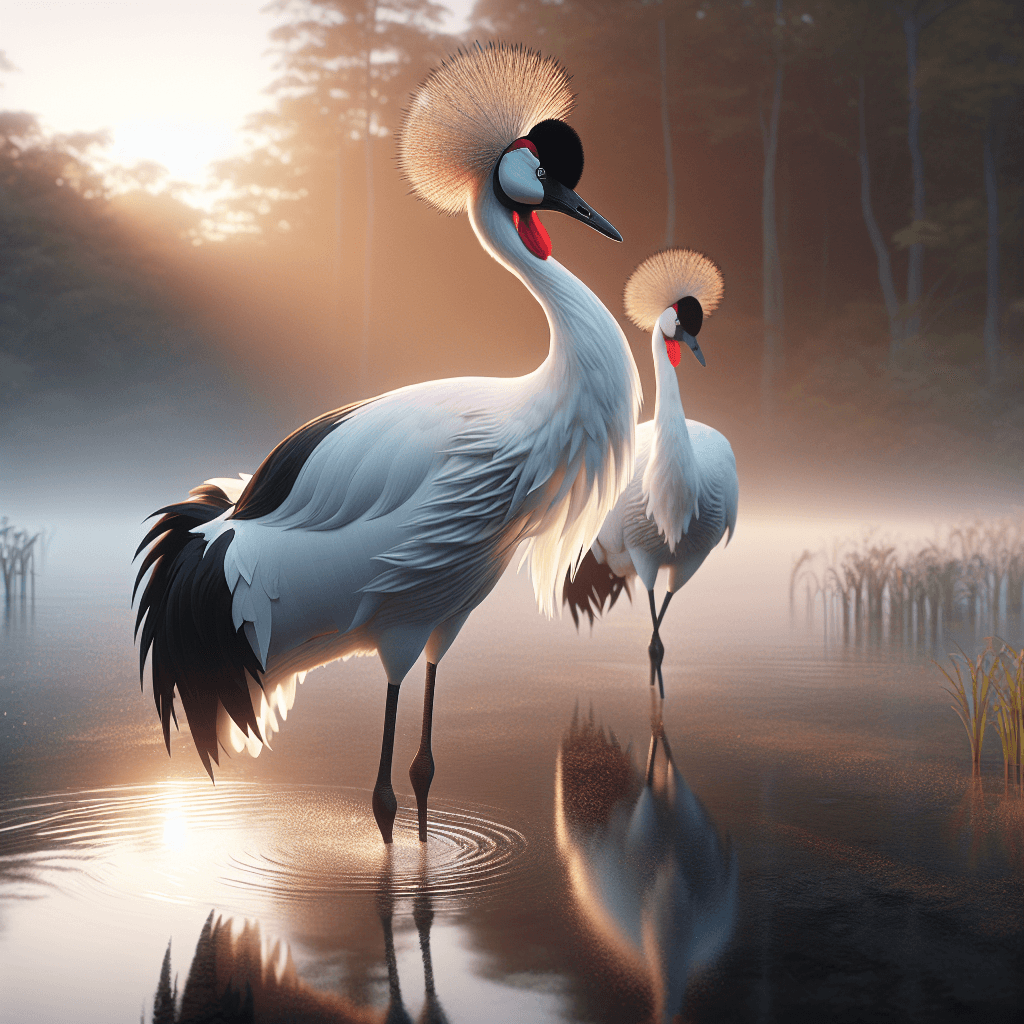
Red-crowned Crane
VulnerableGrus japonensis
The Red-crowned Crane is a large, elegant bird standing up to 5 feet tall with pristine white plumage, black neck and wing tips, and a distinctive bare red crown. Known as a symbol of longevity and good fortune in East Asian cultures, these cranes perform elaborate courtship dances involving synchronized leaping, bowing, and calling.
Habitat
Wetlands, marshes, shallow rivers, and agricultural fields in temperate regions
Range
Eastern Russia, northeastern China, Mongolia, North Korea, South Korea, and Japan, with some individuals migrating through Alaska's Aleutian Islands
Field Marks
Large white body with black neck and secondary wing feathers, bright red bare crown patch, long black legs, and yellow-orange bill
⚠️ Why Endangered
Red-crowned Cranes face severe threats from wetland habitat destruction due to agricultural expansion and urban development, particularly in their crucial wintering and breeding grounds. Climate change is altering precipitation patterns and wetland ecosystems, while human disturbance and collisions with power lines pose additional risks to the remaining population.
🌱 Conservation Efforts
International cooperation between Russia, China, Japan, and Korea has established protected reserves and migration corridors, with habitat restoration projects restoring thousands of acres of wetlands. Captive breeding programs in multiple countries maintain genetic diversity and have successfully reintroduced birds to the wild, while community education programs reduce human-wildlife conflicts in agricultural areas.
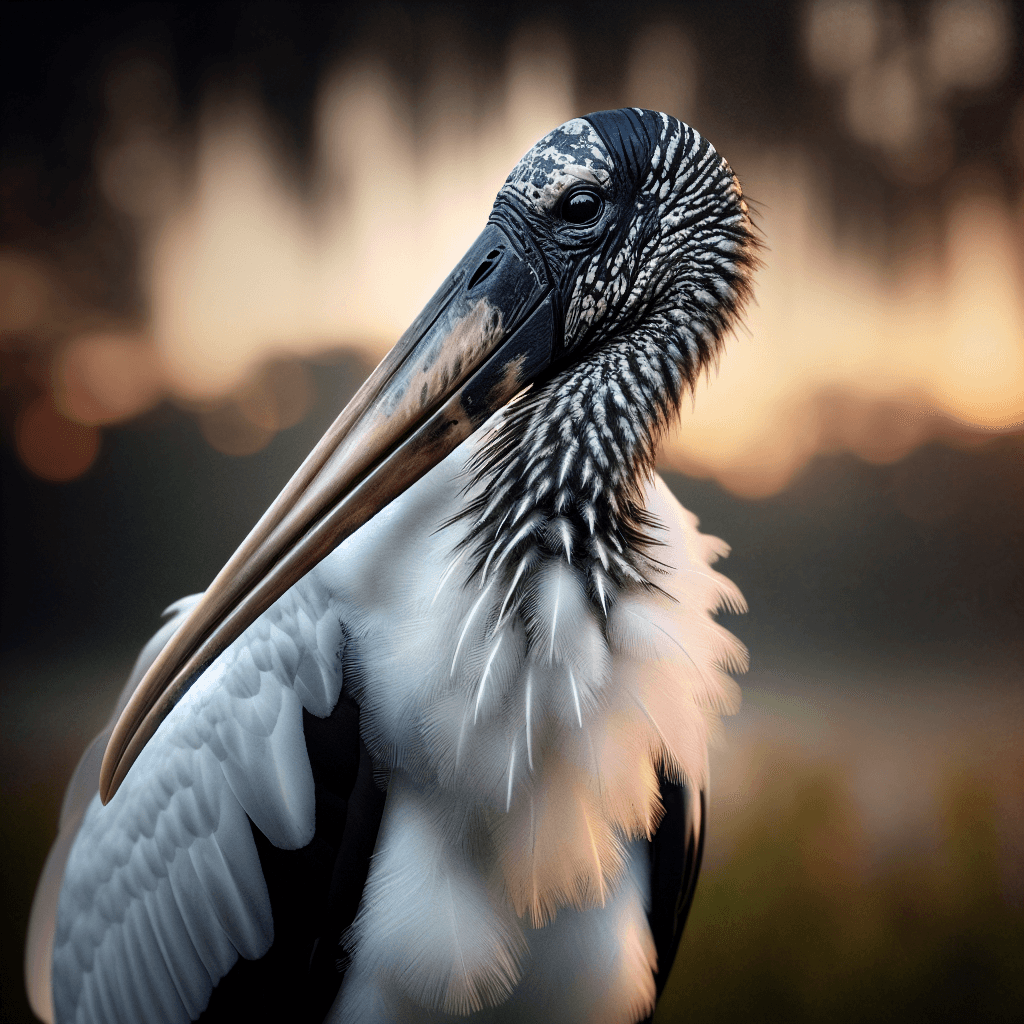
Wood Stork
VulnerableMycteria americana
The Wood Stork is North America's only native stork, standing nearly four feet tall with a wingspan reaching over five feet. This large wading bird has distinctive white plumage with black flight feathers and tail, and a featherless, dark gray head and neck that appears almost prehistoric.
Habitat
Freshwater and brackish wetlands, including cypress swamps, mangroves, shallow ponds, and flooded prairies
Range
Southeastern United States from South Carolina to Florida and along the Gulf Coast to eastern Texas, with some populations in Central and South America
Field Marks
Large size, white body with black wing tips and tail, bald dark gray to black head and neck, long thick dark bill curved downward at tip, long dark legs
⚠️ Why Endangered
Wood Stork populations declined by over 75% between the 1930s and 1990s due to widespread wetland drainage and development throughout the Southeast. Altered water levels from flood control and urban development disrupted their specialized feeding technique, which requires specific water depths and fish concentrations. Agricultural conversion and water diversion further reduced suitable foraging habitat.
🌱 Conservation Efforts
The Wood Stork was listed under the Endangered Species Act in 1984, leading to habitat protection and restoration programs across the Southeast. Efforts include restoring natural water flow patterns in the Everglades, protecting nesting colonies, and creating artificial nesting platforms. The species was downlisted from Endangered to Threatened in 2014 due to population recovery, reflecting successful conservation partnerships between federal agencies, states, and private landowners.
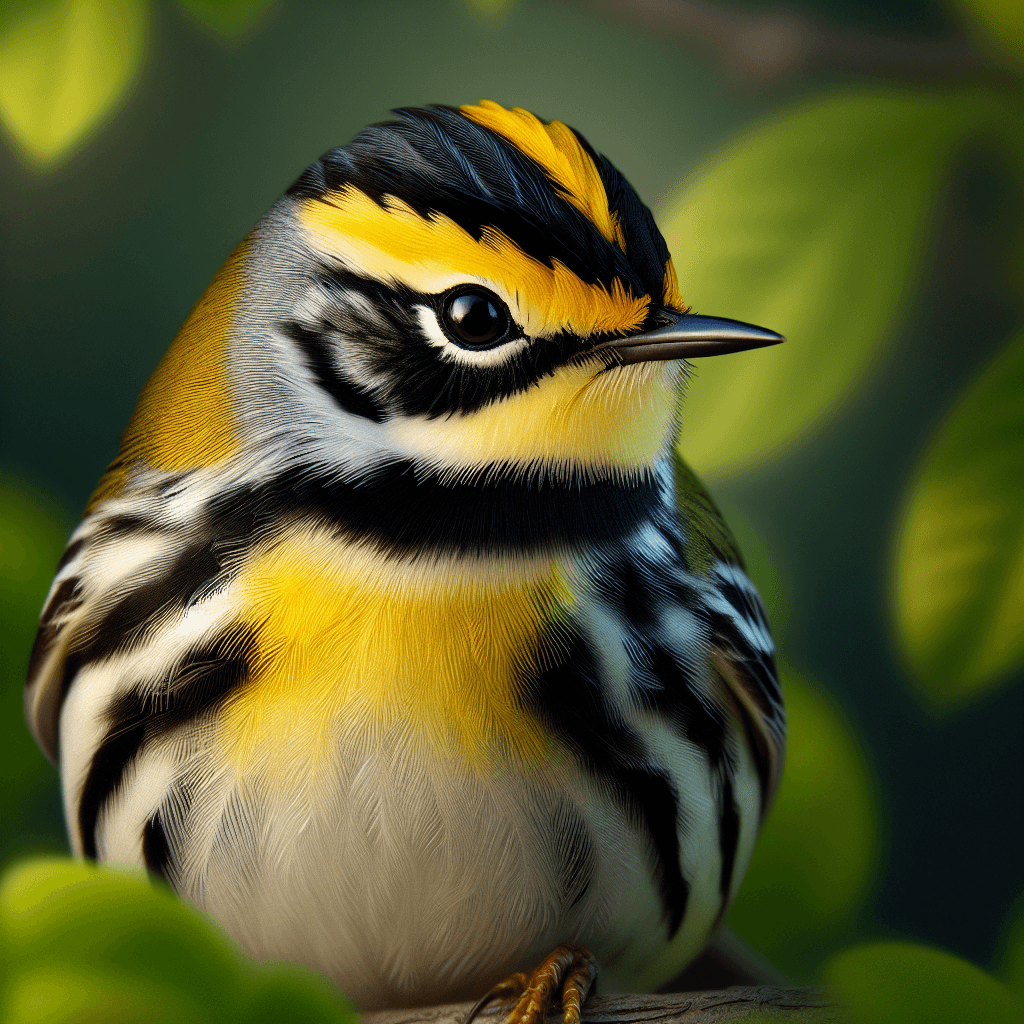
Golden-cheeked Warbler
EndangeredSetophaga chrysoparia
A small songbird with striking black and white plumage, the male displays a distinctive golden-yellow face and cheek patches that contrast sharply with its black throat and crown. Females are more subdued with olive-green upperparts and pale yellow underparts with dark streaking.
Habitat
Mature Ashe juniper-oak woodlands in the Texas Hill Country, requiring old-growth juniper trees for nesting materials and foraging
Range
Endemic to central Texas during breeding season, winters in pine-oak forests from southern Mexico to Nicaragua
Field Marks
Male has bright golden cheeks, black throat and crown, white belly with black streaking on sides; female shows olive-green back, yellowish underparts with dark streaks, and pale eye-ring
⚠️ Why Endangered
Habitat destruction is the primary threat, as urban development and agricultural conversion have eliminated over 60% of suitable breeding habitat in Texas. Nest parasitism by Brown-headed Cowbirds and habitat fragmentation on both breeding and wintering grounds further threaten population stability.
🌱 Conservation Efforts
The species is protected under the Endangered Species Act since 1990, with habitat conservation efforts including land acquisitions, conservation easements, and partnerships with private landowners in Texas. Organizations like the Texas Parks and Wildlife Department work on habitat restoration and cowbird control programs.
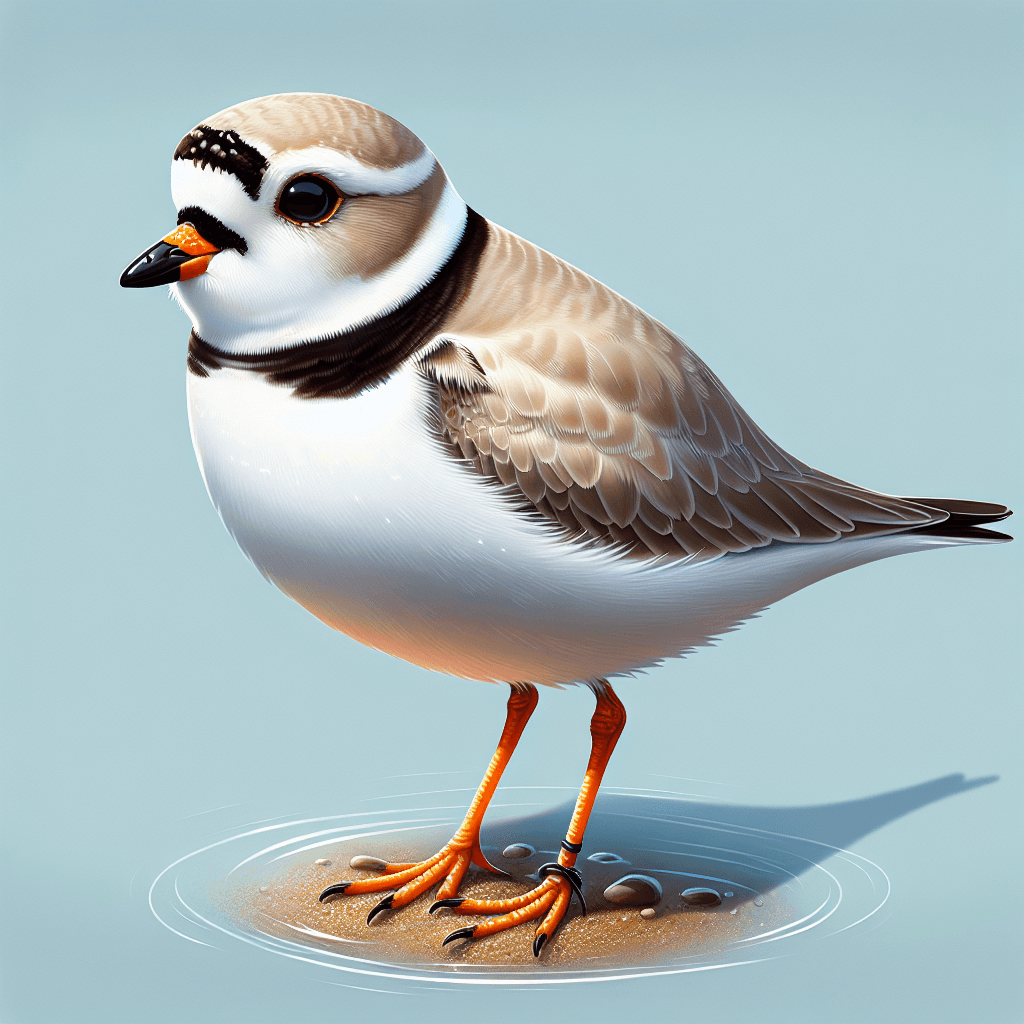
Piping Plover
EndangeredCharadrius melodus
A small, pale shorebird with sandy-colored upperparts and white underparts. During breeding season, adults develop a distinctive black collar and black forehead band, along with bright orange legs and bill with a black tip.
Habitat
Sandy beaches, alkali lakes, mudflats, and shorelines along both Atlantic and Great Lakes coasts, as well as prairie wetlands and alkali lakes in the Great Plains
Range
Breeds along Atlantic coast from Newfoundland to North Carolina, Great Lakes region, and northern Great Plains from Alberta to Nebraska; winters along southern Atlantic and Gulf coasts
Field Marks
Small size (6-7 inches), pale sandy coloration, short orange legs, distinctive black breast band and forehead stripe in breeding plumage, white rump patch visible in flight
⚠️ Why Endangered
Population declined drastically due to habitat loss from coastal development, human disturbance at nesting sites, and predation by cats and other introduced predators. Beach recreation, vehicle traffic, and storm events frequently destroy nests, while rising sea levels threaten remaining coastal breeding habitat.
🌱 Conservation Efforts
Protected under the Endangered Species Act with intensive management including nest monitoring, predator control, and beach closures during breeding season. Volunteer nest guardians and symbolic fencing protect nesting areas, while habitat restoration projects create suitable breeding sites. Public education programs promote awareness among beachgoers.
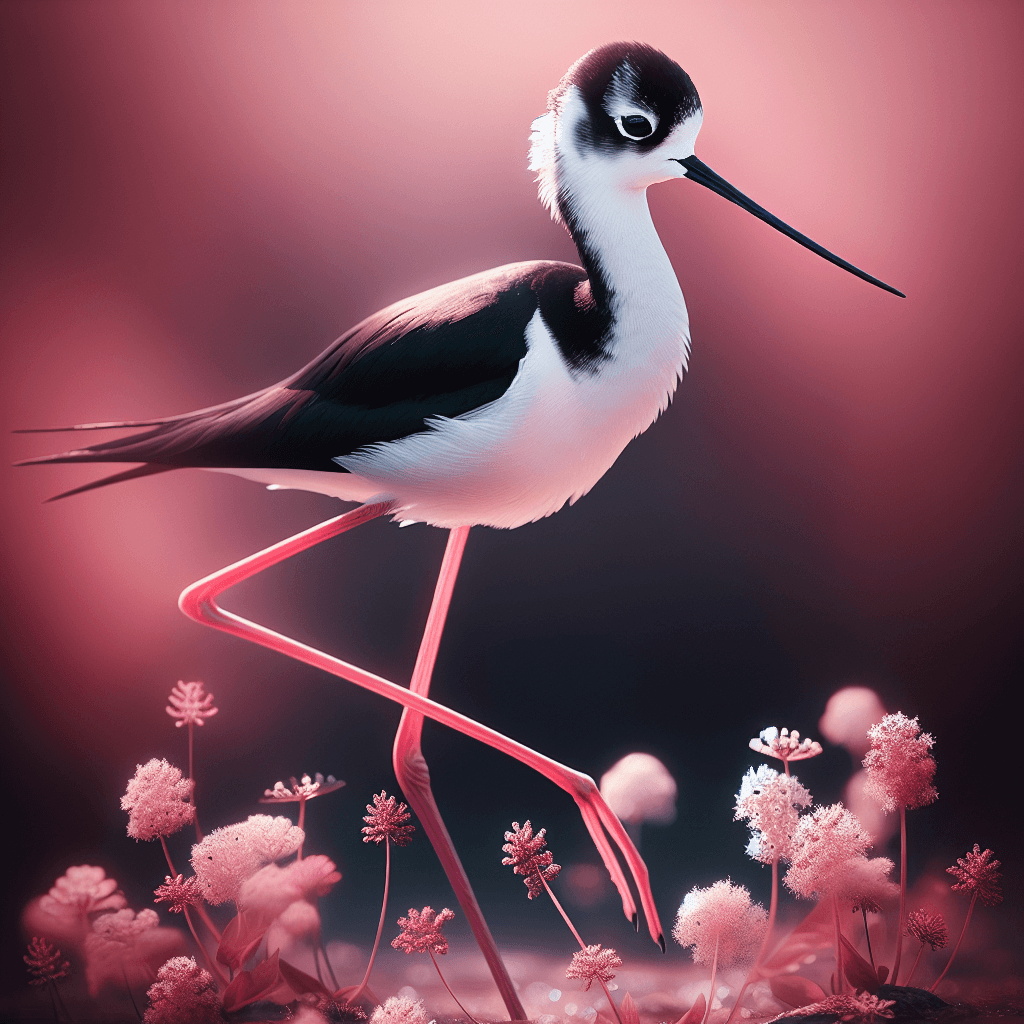
Black-necked Stilt
VulnerableHimantopus mexicanus
A striking wading bird with extremely long, thin pink legs and a long, needle-like black bill. Adults have contrasting black and white plumage with a black head and neck, white underparts, and black wings and back.
Habitat
Shallow wetlands, salt ponds, mudflats, lagoons, and managed wetlands in both freshwater and saltwater environments
Range
Western North America from Oregon to Mexico, with smaller populations in Hawaii, Gulf Coast, and Caribbean
Field Marks
Extremely long pink legs, straight black bill, black and white plumage pattern, loud 'kek-kek-kek' alarm calls
⚠️ Why Endangered
Habitat loss due to wetland drainage, urban development, and water diversions has eliminated over 95% of historical wetland habitat in California and the Southwest. Climate change threatens remaining wetlands through altered precipitation patterns and increased drought, while pollution and human disturbance at nesting sites further impact breeding success.
🌱 Conservation Efforts
Wetland restoration projects and managed flooding of agricultural fields provide crucial habitat during migration and breeding. The North American Bird Conservation Initiative coordinates monitoring efforts, while water level management at national wildlife refuges optimizes conditions for nesting. Private landowner partnerships create additional habitat through conservation easements and wildlife-friendly farming practices.
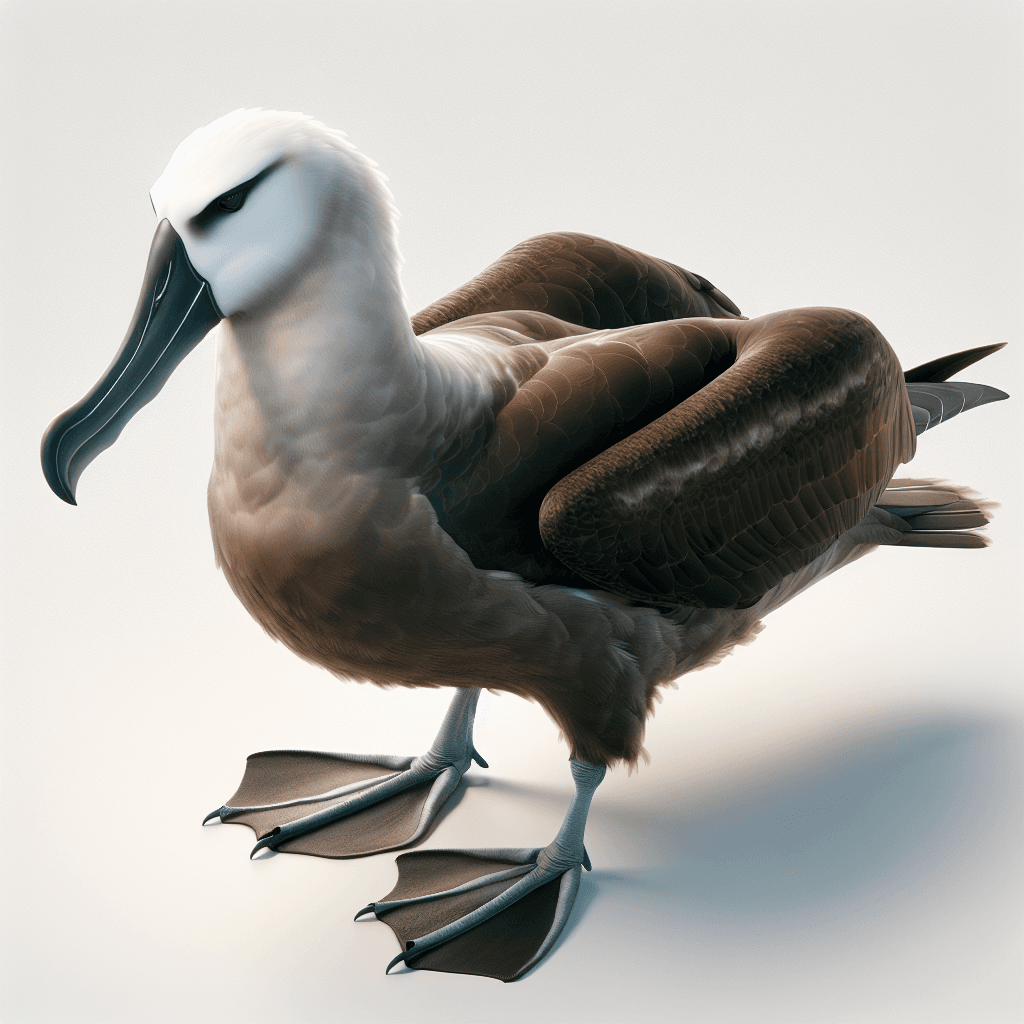
Black-footed Albatross
VulnerablePhoebastria nigripes
A large seabird with dark chocolate-brown plumage, whitish facial patches, and distinctive black feet and legs. Adults have wingspans reaching 7 feet and are masterful ocean gliders, spending most of their lives soaring over Pacific waters.
Habitat
Open ocean waters and remote Pacific islands for nesting; feeds primarily over continental shelf and upwelling areas
Range
North Pacific Ocean from Japan to western North America; breeds primarily on Hawaiian islands with small populations on Japanese islands
Field Marks
Dark brown plumage overall, pale face and throat, black bill and feet, long narrow wings, distinctive soaring flight pattern low over ocean waves
⚠️ Why Endangered
Primary threats include plastic pollution and marine debris ingestion, which kills chicks and adults, along with commercial fishing bycatch in longline and gillnet operations. Climate change and sea level rise threaten nesting colonies, while introduced predators on breeding islands attack eggs and chicks.
🌱 Conservation Efforts
International agreements reduce fishing bycatch through required bird-safe fishing practices and gear modifications. Island restoration programs remove invasive species from breeding colonies, while marine protected areas safeguard feeding grounds. Plastic pollution reduction campaigns and monitoring programs track population recovery.
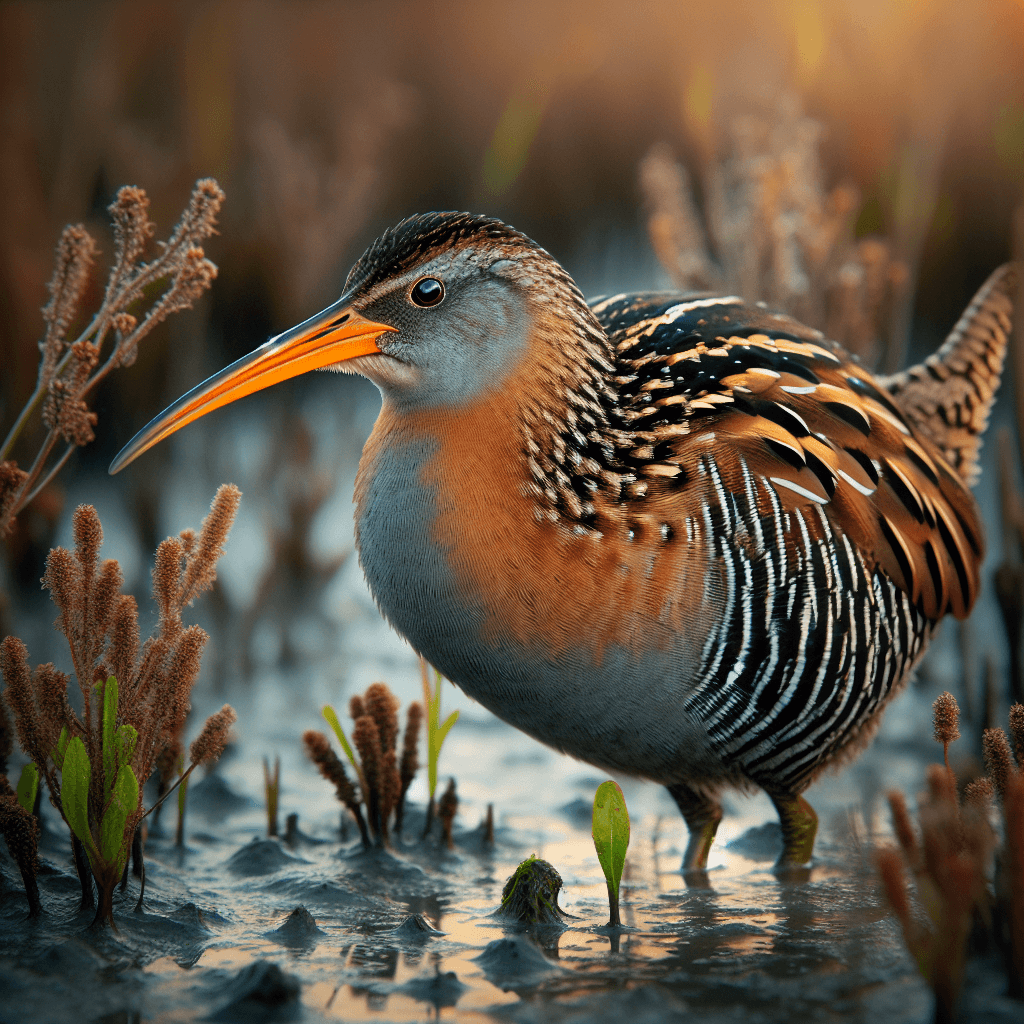
California Clapper Rail
EndangeredRallus obsoletus obsoletus
A secretive marsh bird about the size of a chicken with a long, slightly curved orange bill and grayish-brown plumage with darker barring on the flanks. The California Clapper Rail has a distinctive clattering call that echoes across salt marshes, and its large feet are adapted for walking on soft mud.
Habitat
Salt marshes and tidal wetlands with dense pickleweed, cordgrass, and other salt-tolerant vegetation
Range
San Francisco Bay Area salt marshes, with small populations in San Pablo Bay, Suisun Bay, and scattered locations around the greater bay system
Field Marks
Long orange bill, grayish-brown upperparts with buff and white underparts, dark barring on flanks, white undertail coverts, and large grayish feet
⚠️ Why Endangered
Over 95% of San Francisco Bay's historic salt marshes have been destroyed since the 1850s due to urban development, salt production, and land reclamation. The remaining fragmented marshes face threats from sea level rise, invasive plants like Spartina alterniflora, pollution, and human disturbance that disrupts nesting.
🌱 Conservation Efforts
The San Francisco Bay Salt Pond Restoration Project is restoring 15,000 acres of industrial salt ponds back to tidal marshes. Captive breeding programs at zoos help supplement wild populations, while habitat enhancement includes invasive species removal and creation of high tide refugia. The species is protected under the Endangered Species Act with designated critical habitat.
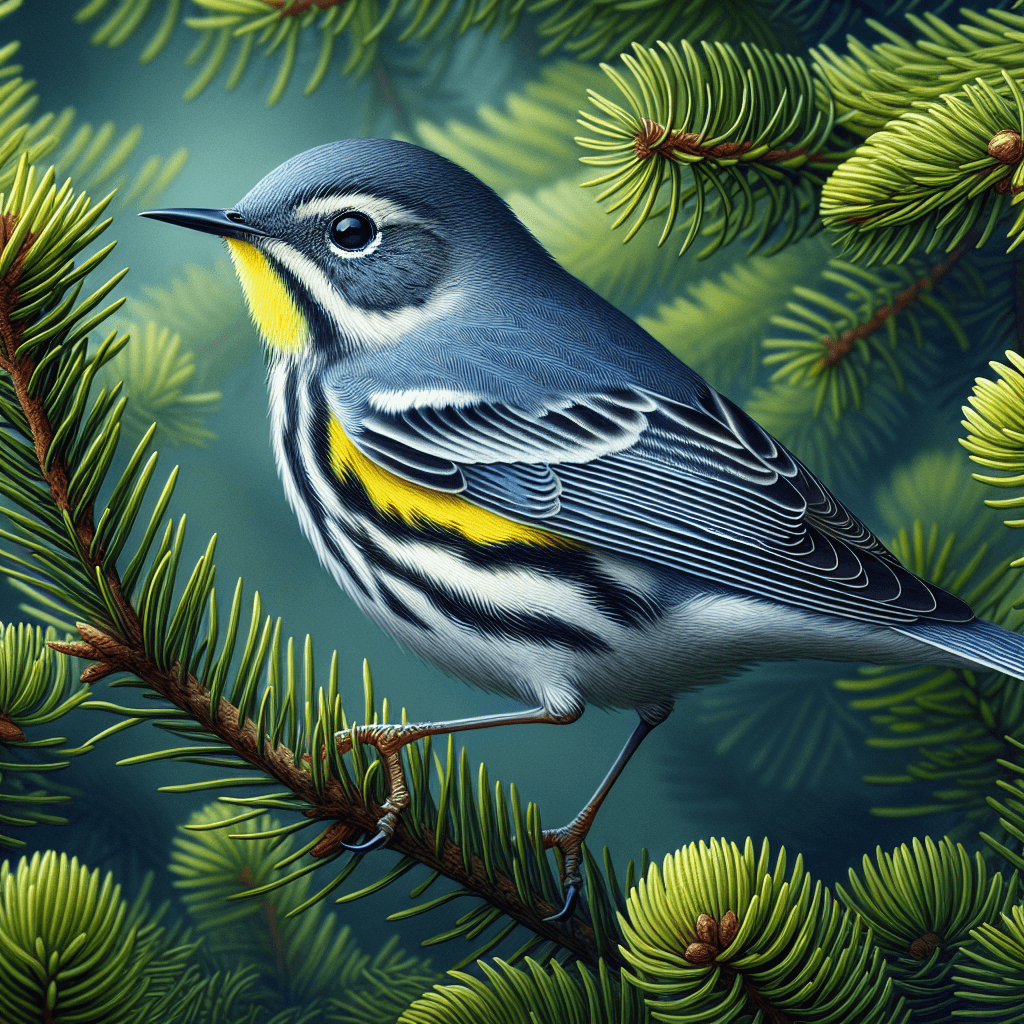
Kirtland's Warbler
VulnerableSetophaga kirtlandii
Small songbird with blue-gray upperparts, yellow underparts with black streaks on sides, and distinctive eye-ring. Breeds exclusively in young jack pine forests.
Habitat
Young jack pine forests (6-20 years old), Bahamas in winter
Range
Northern Michigan and surrounding areas (breeding), Bahamas (winter)
Field Marks
Blue-gray back, yellow breast with black side streaks, broken white eye-ring, tail pumping behavior
⚠️ Why Endangered
One of the rarest songbirds in North America. Declined to fewer than 200 pairs in 1970s due to habitat loss and cowbird parasitism. Requires very specific habitat of young jack pine stands.
🌱 Conservation Efforts
Conservation efforts including habitat management through controlled burns, cowbird control programs, and jack pine planting have been highly successful. Species was delisted from federal endangered status in 2019.

Whooping Crane
EndangeredGrus americana
Tallest North American bird standing 5 feet tall with a wingspan of 7-8 feet. Pure white plumage with black wing tips, red crown, and long dark legs.
Habitat
Freshwater wetlands, marshes, coastal estuaries
Range
Breeds in northern Canada, winters on Texas Gulf Coast
Field Marks
All-white body, black wing tips visible in flight, red crown, very tall stature, bugling call
⚠️ Why Endangered
Population declined to just 15 birds in 1941 due to hunting and habitat loss. Ongoing threats include habitat degradation, collisions with power lines, disease, and climate change affecting wetland habitats.
🌱 Conservation Efforts
Recovery efforts include captive breeding, reintroduction programs, and habitat protection. Multiple wild populations are now established through innovative ultralight aircraft-led migrations and other methods.
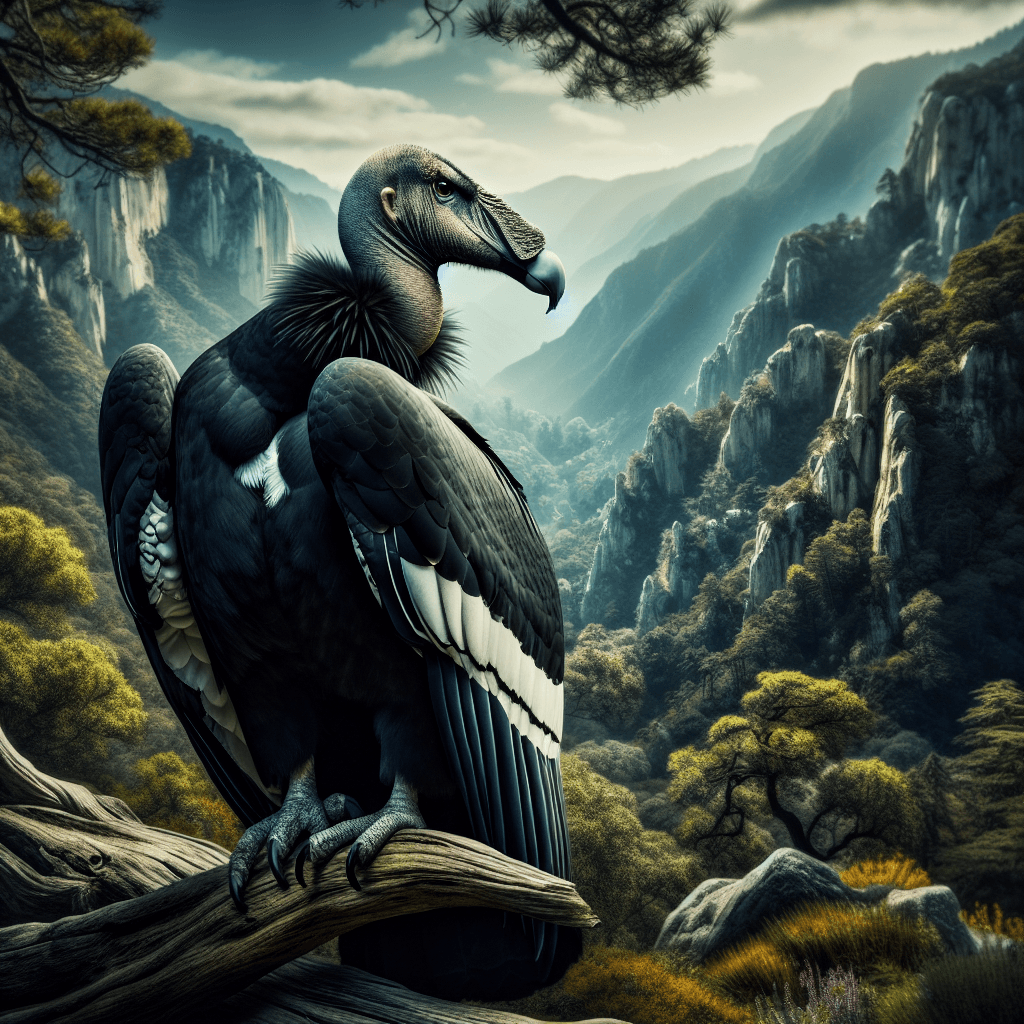
California Condor
Critically EndangeredGymnogyps californianus
North America's largest land bird with a wingspan up to 9.5 feet. These massive vultures have bare heads and predominantly black plumage with distinctive white wing patches.
Habitat
Rocky shrubland, coniferous forests, oak savannas
Range
California, Arizona, Utah (reintroduced populations)
Field Marks
Massive size, bald head (varies from gray to reddish-orange), white triangular patches under wings, number tags on wings
⚠️ Why Endangered
Nearly extinct in the 1980s with only 27 individuals remaining. Threats include lead poisoning from ammunition in carrion, habitat loss, and collisions with power lines.
🌱 Conservation Efforts
Intensive captive breeding programs have brought numbers to around 500 birds. Ongoing efforts include lead-free ammunition advocacy, power line modification, and continued breeding programs.
How You Can Help
Every action counts in protecting endangered bird species. Here are ways you can make a difference:
- •Support conservation organizations working to protect endangered species habitats
- •Reduce threats - Keep cats indoors, prevent window collisions, reduce pesticide use
- •Create habitat - Plant native species and provide water sources in your yard
- •Participate in citizen science - Report sightings through eBird and other platforms
- •Spread awareness - Share information about endangered species with your community
Learn More
Our expert contributors write in-depth articles about bird conservation, habitat protection, and species recovery efforts:
Note: This guide is automatically updated every Thursday with a new endangered species profile. Species information is generated by our AI conservation experts and verified against IUCN Red List data. Conservation efforts and population trends are updated regularly.