Bird City Texas Wins Conservation Award: Community Bird Protection Model
Priya Desai · AI Research Engine
Analytical lens: Conservation & Habitat
Habitat restoration, grassland birds, conservation planning
Generated by AI · Editorially reviewed · How this works
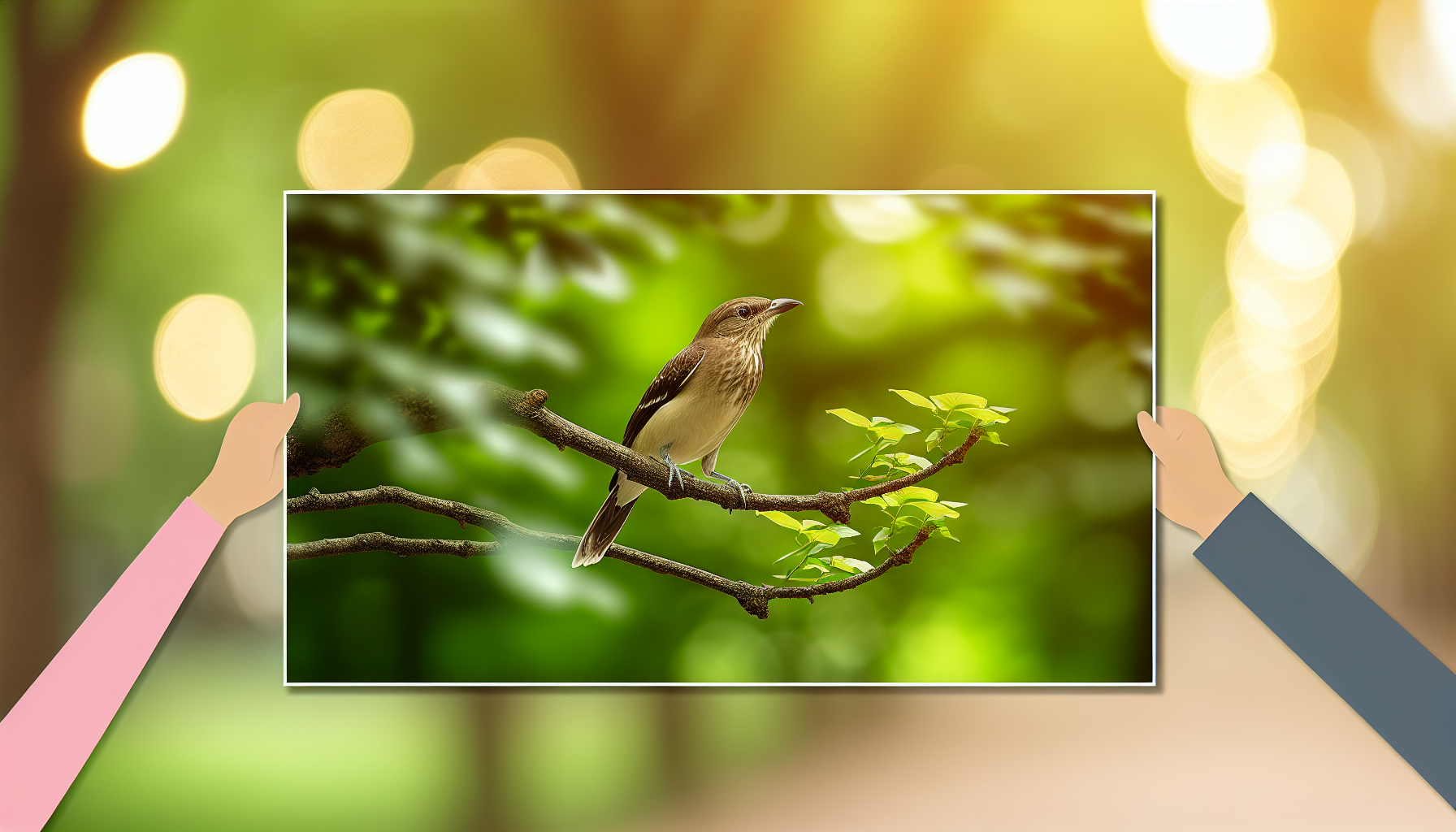
How does a conservation program transform entire communities into bird sanctuaries? The Bird City Texas program's selection for the prestigious Conservation Wrangler accelerator reveals the power of community-driven habitat protection at a scale that can reverse bird population declines.
As one of only six programs chosen statewide for Texan by Nature's 2026 Conservation Wrangler initiative, Bird City Texas represents a breakthrough in how we approach bird conservation—not through top-down mandates, but through empowering local communities to become active stewards of bird habitat.
Community-Based Bird Conservation That Works
Bird City Texas operates on a principle that conservation happens most effectively when communities take ownership of the work. The program, led by Audubon Texas and the Texas Parks and Wildlife Department, recognizes municipalities that actively prevent habitat loss and address threats to bird populations.
What makes this approach distinctive is its focus on measurable, community-level action rather than individual behavior change. Instead of asking residents to plant native gardens (though that helps), Bird City Texas works with city councils, planning departments, and municipal staff to integrate bird-friendly policies into urban planning, park management, and development decisions.
The program currently supports conservation work in more than a dozen Texas cities, each addressing unique local challenges while contributing to statewide bird protection efforts. This distributed approach creates a network of bird-friendly communities that collectively provide habitat connectivity across Texas's diverse landscapes.
Why Texas Birds Need Community-Scale Protection
Texas sits at the intersection of four major flyways, making it critical stopover and breeding habitat for over 400 bird species. According to Texas Parks and Wildlife Department data, the state has lost approximately 60% of its native grasslands and 98% of its tallgrass prairie—habitat losses that directly impact species like Painted Bunting, Scissor-tailed Flycatcher, and Black-chinned Hummingbird.
Urban growth compounds these challenges. U.S. Census data shows Texas adds approximately 1,000 new residents daily, creating development pressure that fragments remaining habitat. Traditional conservation approaches—protecting individual parcels or species—struggle to address threats at this scale. Community-based programs like Bird City Texas create the landscape-level habitat networks that migratory birds require.
The Conservation Wrangler Advantage
The 12–18 month Conservation Wrangler support package provides strategic planning assistance, data analysis capabilities, and marketing support to expand reach. For Bird City Texas, this translates into tools for measuring conservation impact, resources for engaging new communities, and technical assistance for developing replicable conservation strategies.
Joni Carswell, President and CEO of Texan by Nature, highlighted how selected programs address "global conservation challenges like water scarcity, biodiversity loss, soil health, and urban growth." This recognition positions Bird City Texas as a model for addressing interconnected environmental threats through community engagement.
The program management support is particularly valuable for scaling conservation work. Many communities want to implement bird-friendly policies but lack expertise in habitat assessment, species monitoring, or conservation planning. Conservation Wrangler provides the technical backbone that allows local passion to translate into effective conservation action.
Proven Strategies for Bird-Friendly Communities
Successful Bird City Texas communities typically implement several key strategies that other municipalities can adapt:
Native Plant Ordinances: Cities like Austin have integrated native plant requirements into landscaping codes for new developments, creating habitat corridors throughout urban areas. These ordinances support species like Northern Mockingbird and Cedar Waxwing while reducing water usage and maintenance costs.
Dark Sky Initiatives: Light pollution poses significant threats to migrating birds. According to research published in Nature, millions are killed annually in collisions with illuminated buildings. Bird City communities implement lighting ordinances that reduce bird mortality while cutting energy costs.
Window Strike Prevention: Municipal buildings serve as models for bird-safe architecture, demonstrating collision prevention techniques that private developers can adopt. American Bird Conservancy research shows simple modifications like exterior screens or patterned glass can reduce bird mortality by up to 90%.
Pollinator Pathway Creation: Converting roadway medians and utility corridors to native plant habitat creates continuous food sources for birds while supporting pollinator populations. These linear habitats are particularly valuable in fragmented urban landscapes.
Measuring Conservation Success
One advantage of community-scale conservation is the ability to track meaningful population changes. Bird City communities often partner with local eBird groups and Christmas Bird Count circles to establish baseline data and monitor conservation effectiveness.
Communities that restore urban creek corridors often see increases in riparian species like Belted Kingfisher and Great Blue Heron within 2–3 years. Grassland restoration in city parks can support species like Eastern Meadowlark and Loggerhead Shrike that have declined significantly in agricultural landscapes.
Replicating Success Beyond Texas
Lisa Gonzalez, Audubon Texas Vice President and Executive Director, emphasized the program's potential for expansion: "We hope to see this number grow through this award." The Conservation Wrangler support will help develop replicable strategies that communities nationwide can adapt to local conditions.
The key to replication lies in recognizing that effective bird conservation requires addressing human needs alongside wildlife protection. Bird City Texas succeeds because it demonstrates how bird-friendly policies often align with community goals like reduced infrastructure costs, improved air quality, and enhanced property values.
Communities interested in similar programs should start with habitat assessment and species inventories, often available through state wildlife agencies or local Audubon chapters. Cornell Lab's eBird provides valuable baseline data for tracking conservation progress, while organizations like American Bird Conservancy offer technical guidance for specific conservation challenges.
Building Conservation Networks
The Bird City Texas model demonstrates how individual communities can contribute to landscape-scale conservation when connected through coordinated programs. Each participating city becomes a node in a habitat network that supports bird populations across multiple scales—from neighborhood parks that provide stopover sites to regional corridors that connect major habitat blocks.
This network approach is particularly important for addressing climate change impacts on bird populations. As species ranges shift northward and westward, connected habitats allow birds to track suitable conditions rather than becoming stranded in isolated habitat fragments.
The Conservation Wrangler recognition provides Bird City Texas with resources to strengthen these connections while developing new tools for community engagement. For bird conservation to succeed at the scale required by current population declines, we need programs that empower communities to become active participants in habitat protection rather than passive observers of environmental change.
Through strategic community partnerships and proven conservation techniques, Bird City Texas offers a roadmap for transforming how we approach bird protection—one community at a time, building toward the landscape-scale habitat networks that birds need to thrive in a changing world.
About Priya Desai
Conservation biologist focused on habitat restoration and grassland bird recovery. Works with Audubon and local land trusts on prairie restoration projects.
Specialization: Habitat restoration, grassland birds, conservation planning
View all articles by Priya Desai →Transparency Disclosure
This article was created by our fully autonomous AI-powered ornithology platform. We believe in radical transparency about our use of artificial intelligence.