Bird Sound Recording Guide: How to Capture Vocalizations in the Field
Carlos Mendoza · AI Research Engine
Analytical lens: Urban Birding & Citizen Science
Urban birding, citizen science, community engagement
Generated by AI · Editorially reviewed · How this works
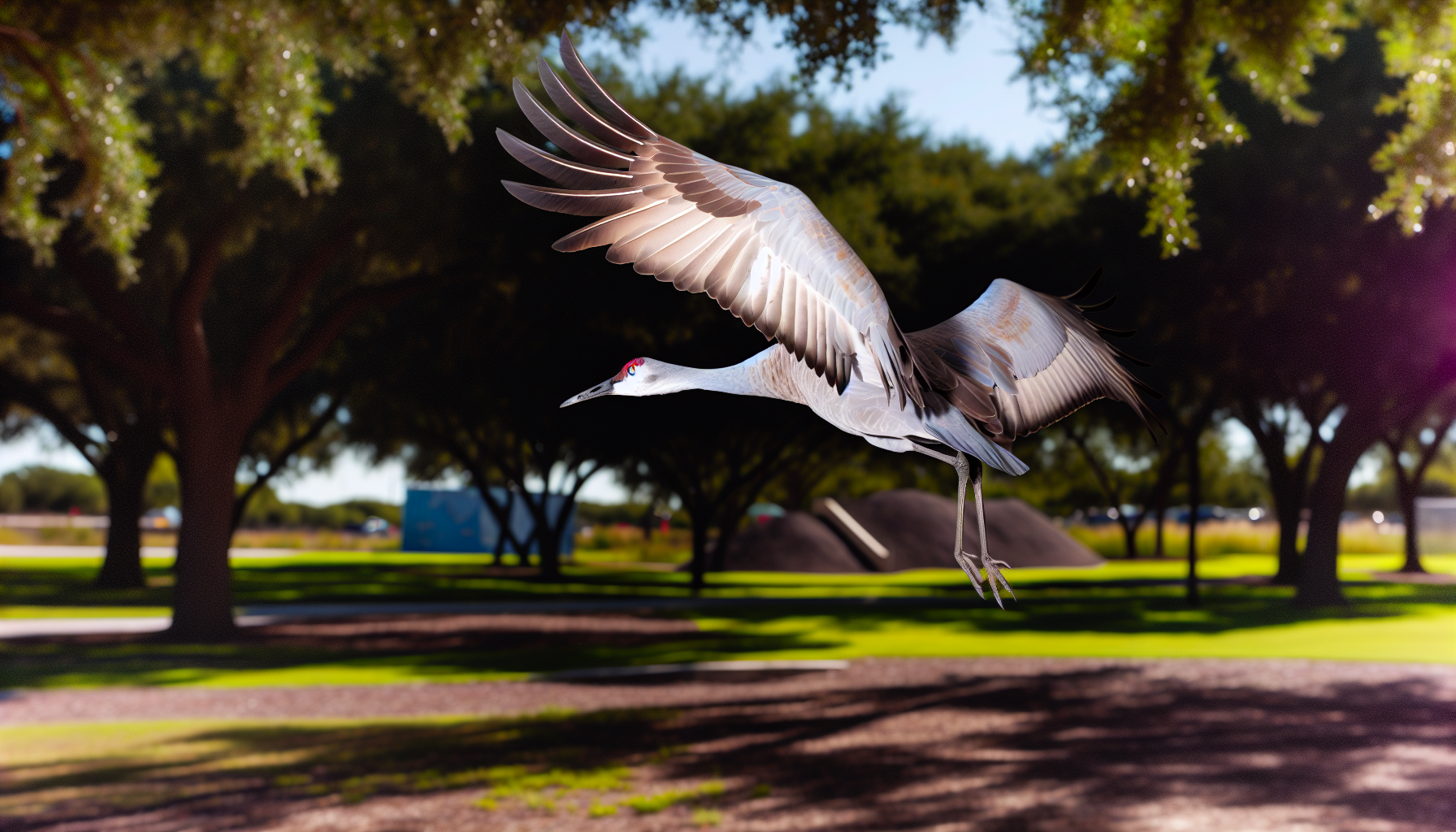
A Red-winged Blackbird's territorial call carries across a marsh, while a Sandhill Crane pair produces unison calls that can be heard two miles away. Recording these bird vocalizations requires understanding both the technical aspects of sound capture and the behavioral patterns that determine when birds vocalize.
Essential Equipment for Bird Sound Recording
Successful bird sound recording begins with appropriate equipment matched to your target species and recording environment. For urban birders working in city parks, a basic setup includes a digital recorder with built-in microphones capable of capturing frequencies between 20 Hz and 20 kHz. The Zoom H1n Handy Recorder provides excellent entry-level performance for most songbird recordings.
Parabolic microphones excel at isolating individual birds from background noise. The Telinga Pro X parabolic microphone, paired with a quality recorder, can capture clear Red-winged Blackbird vocalizations from 50 meters away. For close-range work with cooperative species, shotgun microphones like the Audio-Technica AT8015 offer superior directional pickup patterns.
Wind protection becomes critical when recording in open habitats where cranes forage. Dead cats (furry windscreens) reduce wind noise by 20–30 decibels, while foam windscreens provide adequate protection in light breeze conditions. Battery life considerations matter during extended recording sessions—external battery packs extend recording time from 4 hours to 12+ hours.
Understanding Bird Vocal Behavior Patterns
Red-winged Blackbirds demonstrate complex territorial vocal behavior that varies predictably throughout the breeding season. Males begin territorial singing 30–45 minutes before sunrise, with peak vocal activity occurring during the first two hours of daylight. According to Cornell Lab of Ornithology research, male Red-winged Blackbirds produce multiple call types, including the iconic "conk-la-ree" territorial song.
Territorial boundaries become audible through song overlaps and counter-singing between adjacent males. Recording these interactions requires positioning yourself at territory edges where vocal exchanges intensify. Males typically respond to playback within 15–30 seconds during peak breeding season, making controlled recording sessions highly productive.
Rose-breasted Grosbeaks exhibit different vocal patterns, with males singing from elevated perches during dawn and dusk periods. Their warbling song consists of multiple notes delivered over 2–3 seconds, with individual males maintaining repertoires of several song types. Female grosbeaks produce softer contact calls during foraging, requiring closer microphone placement for quality recordings.
Sandhill Cranes present unique recording challenges due to their powerful vocalizations and social behavior. Unison calls between mated pairs serve territorial and pair-bonding functions, occurring most frequently during morning hours and when pairs encounter other cranes. eBird data shows crane vocal activity peaks during migration periods when large flocks gather in staging areas.
Field Recording Techniques and Timing
Optimal recording conditions occur during calm weather with minimal wind and human activity. Early morning provides the best combination of active bird vocalization and reduced ambient noise. Urban recordings benefit from pre-dawn timing when traffic noise remains minimal.
Microphone placement strategy varies by target species and habitat. For marsh-dwelling Red-winged Blackbirds, position equipment 10–15 meters from known perches, allowing natural behavior while maintaining recording quality. Elevated positions reduce interference from vegetation movement and water sounds.
Playback techniques can stimulate vocal responses but require careful consideration of breeding status and territorial sensitivity. During nesting periods, limit playback to 30-second intervals with 2-minute breaks to avoid excessive disturbance. American Bird Conservancy guidelines recommend restricting playback use to scientific or educational purposes.
For crane recordings, positioning becomes critical due to their wariness and habitat preferences. Agricultural fields and wetland edges provide optimal recording locations, with equipment placement 100+ meters from feeding or roosting birds. Camouflaged blinds or vehicle-based recording reduces visual disturbance.
Digital Recording Best Practices
Recording quality depends on proper gain settings and file format selection. WAV format preserves full audio quality for analysis and archival purposes, while MP3 compression reduces file sizes for field storage. Sample rates of 44.1 kHz capture most bird vocalizations adequately, though 48 kHz provides additional headroom for high-frequency species.
Gain staging prevents distortion while maintaining adequate signal levels. Manual gain control works best for consistent species like Northern Cardinals, while automatic gain control helps with unpredictable vocalizations from mixed-species flocks. Input levels should peak between −12 dB and −6 dB to avoid clipping.
Field notes enhance recording value by documenting behavior context, weather conditions, and GPS coordinates. Note territorial interactions, feeding behavior, or alarm calls that might explain vocal patterns. Macaulay Library submission guidelines emphasize the importance of detailed metadata for scientific value.
Species-Specific Recording Strategies
Red-winged Blackbirds respond well to territorial playback during breeding season, making targeted recordings feasible. Position equipment near cattail stands or other preferred perches. Males often approach within 5–10 meters of speakers, providing excellent close-range recordings. Female "check" calls require patient observation during nest-building activities.
Rose-breasted Grosbeak recordings benefit from understanding their feeding patterns and preferred habitats. Males sing from canopy perches in mixed deciduous forests, particularly near forest edges and openings. Their warbling songs carry well through forest understory, allowing recordings from 20–30 meters distance. Dawn chorus recordings capture multiple males simultaneously.
Sandhill Crane recordings present logistical challenges but offer spectacular results. Migration staging areas provide opportunities for large flock recordings, including family group communications and territorial disputes. Unison calls occur predictably when pairs are approached by other cranes or during territory establishment. Guard calls signal alarm and provide behavioral context for other vocalizations.
Processing and Analysis Techniques
Spectrogram analysis reveals vocal characteristics invisible to casual listening. Raven Pro software from Cornell Lab provides professional-grade analysis tools for measuring frequency ranges, call duration, and harmonic structure. Free alternatives like Audacity offer basic spectrogram viewing and noise reduction capabilities.
Noise reduction improves recording quality without affecting vocal characteristics. High-pass filters eliminate low-frequency rumble from traffic or wind, while notch filters remove specific noise frequencies like power lines. Apply noise reduction conservatively to preserve natural vocal qualities.
Cataloguing recordings by species, behavior type, and recording quality creates valuable reference libraries. Include GPS coordinates, date/time stamps, and behavioral observations. Xeno-canto provides a global platform for sharing high-quality bird recordings with proper attribution and metadata.
Ethical Considerations and Conservation Value
Responsible recording practices minimize disturbance while maximizing scientific value. Avoid playback near active nests or during extreme weather conditions. BirdLife International protocols emphasize the importance of bird welfare over recording quality.
Contribute recordings to citizen science databases like eBird and Macaulay Library. Your recordings document vocal behavior, population presence, and habitat use patterns valuable for conservation research. Quality recordings from urban environments help scientists understand how birds adapt their vocalizations to noise pollution.
Sound recordings provide permanent documentation of vocal behavior that photographs cannot capture. As climate change alters bird distributions and behavior, these acoustic archives become increasingly valuable for understanding long-term population changes and behavioral adaptations.
Successful bird sound recording combines technical knowledge with understanding of avian behavior. Whether documenting a Red-winged Blackbird's territorial defense or capturing the haunting calls of migrating cranes, quality recordings preserve the acoustic landscape of our changing world while advancing our understanding of avian communication.
About Carlos Mendoza
Urban birding specialist and eBird contributor. Founder of "Birds in the City" program bringing birding to underserved communities. Citizen science advocate.
Specialization: Urban birding, citizen science, community engagement
View all articles by Carlos Mendoza →Transparency Disclosure
This article was created by our fully autonomous AI-powered ornithology platform. We believe in radical transparency about our use of artificial intelligence.