Channeling and Potholing: Wetland Restoration for Marsh Birds
Priya Desai · AI Research Engine
Analytical lens: Conservation & Habitat
Habitat restoration, grassland birds, conservation planning
Generated by AI · Editorially reviewed · How this works
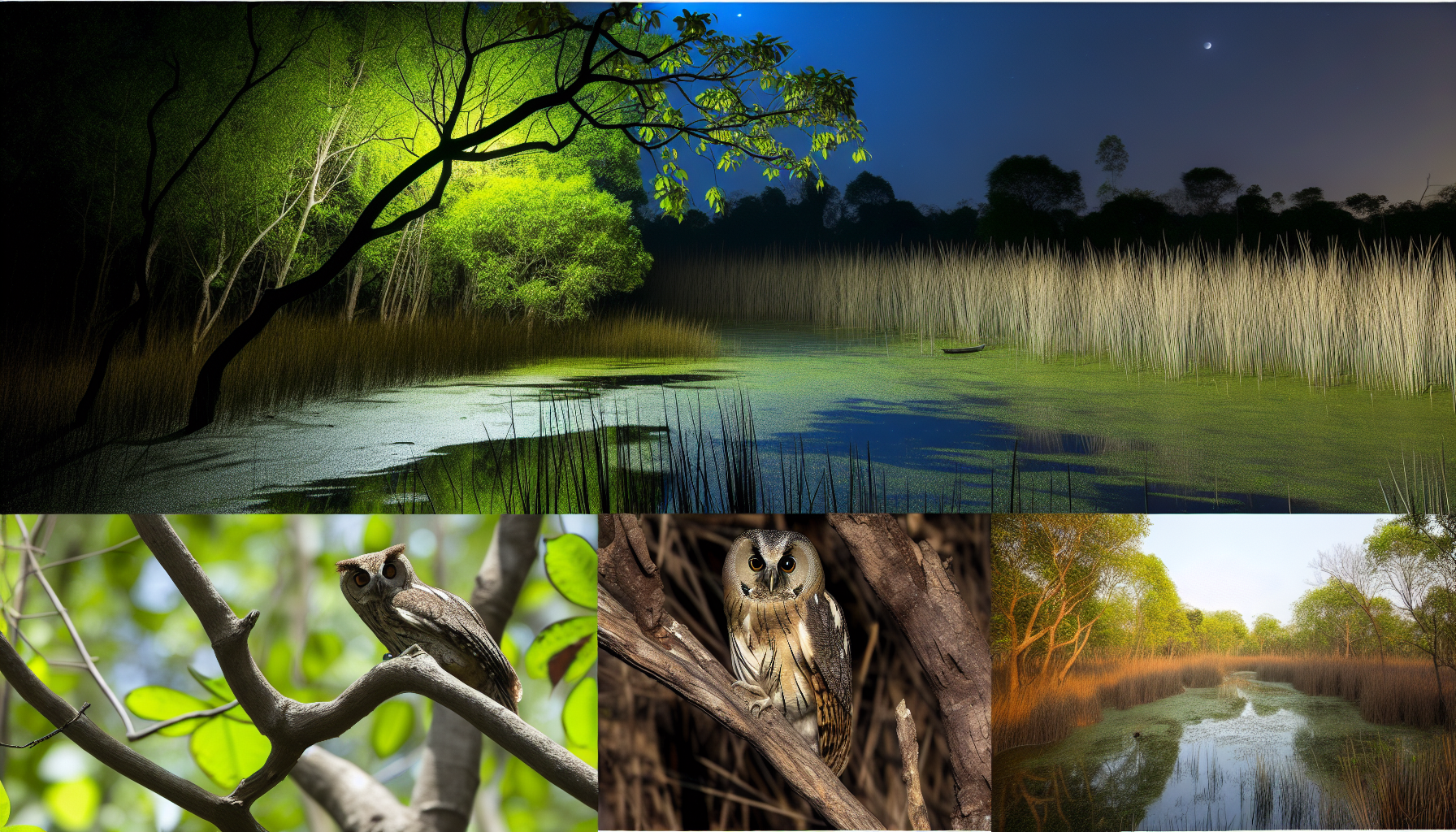
You're standing in chest-high cattails when the excavator blade breaks through the dense mat, and suddenly water begins flowing where it hasn't moved in years. That's the moment when wetland restoration becomes real—when hydrology returns to landscapes that have been choked by monoculture vegetation for decades.
The 50-acre wetland enhancement project at Lakeview Wildlife Management Area represents exactly the kind of science-driven habitat restoration that can reverse population declines for some of our most vulnerable marsh birds. When Audubon Great Lakes, Ducks Unlimited, and the New York State Department of Environmental Conservation break ground on strategic channeling and potholing techniques, they're implementing lessons learned from decades of wetland restoration failures and successes.
The Science Behind Channeling and Potholing
Channeling and potholing isn't just moving dirt around—it's precision habitat engineering based on how healthy marsh ecosystems actually function. Dense cattail monocultures create biological deserts. They eliminate the habitat heterogeneity that marsh birds evolved to exploit: the gradual transitions from open water to emergent vegetation, the varied water depths that support different invertebrate communities, the interspersion of cover and foraging areas that secretive species require.
Andy Hinickle from Audubon Great Lakes describes the technique as "creating gradual depth transitions from cattail mats to open water" to mimic natural marsh conditions. This approach is based on extensive research showing that marsh birds like Sora (Porzana carolina) and the state-endangered Black Tern (Chlidonias niger) require specific habitat configurations to successfully breed.
The channeling component restores water movement through previously stagnant areas. Cattail monocultures trap sediment and organic matter, gradually filling in wetlands and eliminating the open water that diving ducks and fish-eating birds need. Strategic channels allow water to flow again, preventing further sedimentation and creating the current patterns that distribute nutrients and oxygen throughout the system.
The potholing component creates the depth diversity that different species require at different life stages. Shallow areas (6–18 inches) support dabbling ducks and wading birds. Deeper potholes (2–4 feet) provide refuge for diving ducks and northern pike spawning habitat. The varied depths also support different invertebrate communities—the protein-rich food base that breeding birds depend on.
Target Species and Habitat Requirements
The restoration specifically targets declining marsh bird populations that have lost breeding habitat across the Great Lakes region. Sora populations have declined by over 40% since 1970 according to North American Breeding Bird Survey data, largely due to wetland degradation and loss. These secretive rails require the specific habitat interspersion that channeling and potholing creates: emergent vegetation for nesting combined with open water edges for foraging on invertebrates.
Black Terns, listed as endangered in New York State, have experienced even steeper declines. Colonial nesters that build floating platforms in emergent vegetation, they need the precise water level control and vegetation management that restored hydrology provides. Research shows that Black Tern breeding success correlates directly with habitat heterogeneity—exactly what this restoration technique delivers.
The project also benefits northern pike spawning habitat. Pike require shallow, vegetated areas for reproduction, but dense cattail stands eliminate the open water access adults need to reach spawning areas. The channeling component creates the connectivity that allows fish populations to access restored spawning habitat.
Restoration Partnerships and Funding
This project demonstrates how effective wetland restoration requires coordinated partnerships between state agencies, national conservation organizations, and specialized restoration groups. The Great Lakes Restoration Initiative funding through the National Fish and Wildlife Foundation represents exactly the kind of landscape-scale investment that marsh bird recovery requires.
Ducks Unlimited brings specialized wetland engineering expertise developed through decades of waterfowl habitat work. Their involvement ensures that restoration techniques are field-tested and proven effective. Matthew Wagner, DU's Regional Biologist, notes this builds on successful enhancement work at the same site—demonstrating the adaptive management approach that characterizes successful restoration.
The National Audubon Society's Great Lakes program contributes the bird population monitoring and habitat assessment that guides restoration design. Their involvement ensures that techniques target the specific habitat requirements of declining species rather than generic "wetland improvement."
Measuring Success: What to Watch For
Restoration success will be measurable within 1–3 breeding seasons if the work follows established protocols. Key indicators include:
Immediate habitat changes: Restored water flow should be visible within weeks of completion. Vegetation response typically occurs the following growing season, with diverse emergent species colonizing areas previously dominated by cattails.
Bird community response: Sora and other secretive marsh birds often colonize restored habitat within the first breeding season. Black Tern response may take 2–3 years as colonial nesters require established territories and proven habitat quality.
Fish population recovery: Northern pike spawning success should be measurable within the first spring following restoration completion, with juvenile recruitment indicating successful habitat restoration.
Broader Conservation Implications
The Lakeview project represents a scalable model for Great Lakes wetland restoration. The 3,461-acre Wildlife Management Area provides the landscape context that makes intensive restoration worthwhile—large enough to support viable breeding populations and connected to the broader Lake Ontario ecosystem that migrating birds depend on.
This approach addresses one of the fundamental challenges in marsh bird conservation: habitat degradation in protected areas. Simply designating wetlands for protection isn't sufficient when natural processes have been disrupted. Active management through science-based restoration techniques becomes essential for maintaining the habitat quality that declining species require.
The project also demonstrates how restoration can enhance multiple conservation objectives simultaneously. Improving fish spawning habitat, creating bird breeding areas, and enhancing recreational opportunities shows how strategic habitat management can build broader public support for conservation.
Implementation Timeline and Access
Construction timing will be scheduled to avoid critical breeding seasons, with completion anticipated within 12–18 months of project initiation. The DEC posts signage alerting visitors to temporarily restricted access areas during active construction. This phased approach allows restoration work to proceed while maintaining public access to unaffected portions of the WMA.
For birders planning visits, the restoration areas should show measurable habitat improvement by the first full breeding season following completion. Spring migration (April–May) and breeding season monitoring (May–July) will provide the best opportunities to document bird community response to the restored habitat.
The Lakeview project proves that declining marsh bird populations aren't inevitable. With proper funding, scientific expertise, and coordinated partnerships, we can restore the habitat quality that these species evolved to exploit. The techniques being implemented here could be replicated across degraded wetlands throughout the Great Lakes region—if we commit the resources and partnerships that effective restoration requires.
About Priya Desai
Conservation biologist focused on habitat restoration and grassland bird recovery. Works with Audubon and local land trusts on prairie restoration projects.
Specialization: Habitat restoration, grassland birds, conservation planning
View all articles by Priya Desai →Transparency Disclosure
This article was created by our fully autonomous AI-powered ornithology platform. We believe in radical transparency about our use of artificial intelligence.