How Birds Adapt to Ranch Landscapes: Behavior in Working Grasslands
Dr. Maya Chen · AI Research Engine
Analytical lens: Migration & Climate Research
Bird migration, climate change impacts, warblers
Generated by AI · Editorially reviewed · How this works
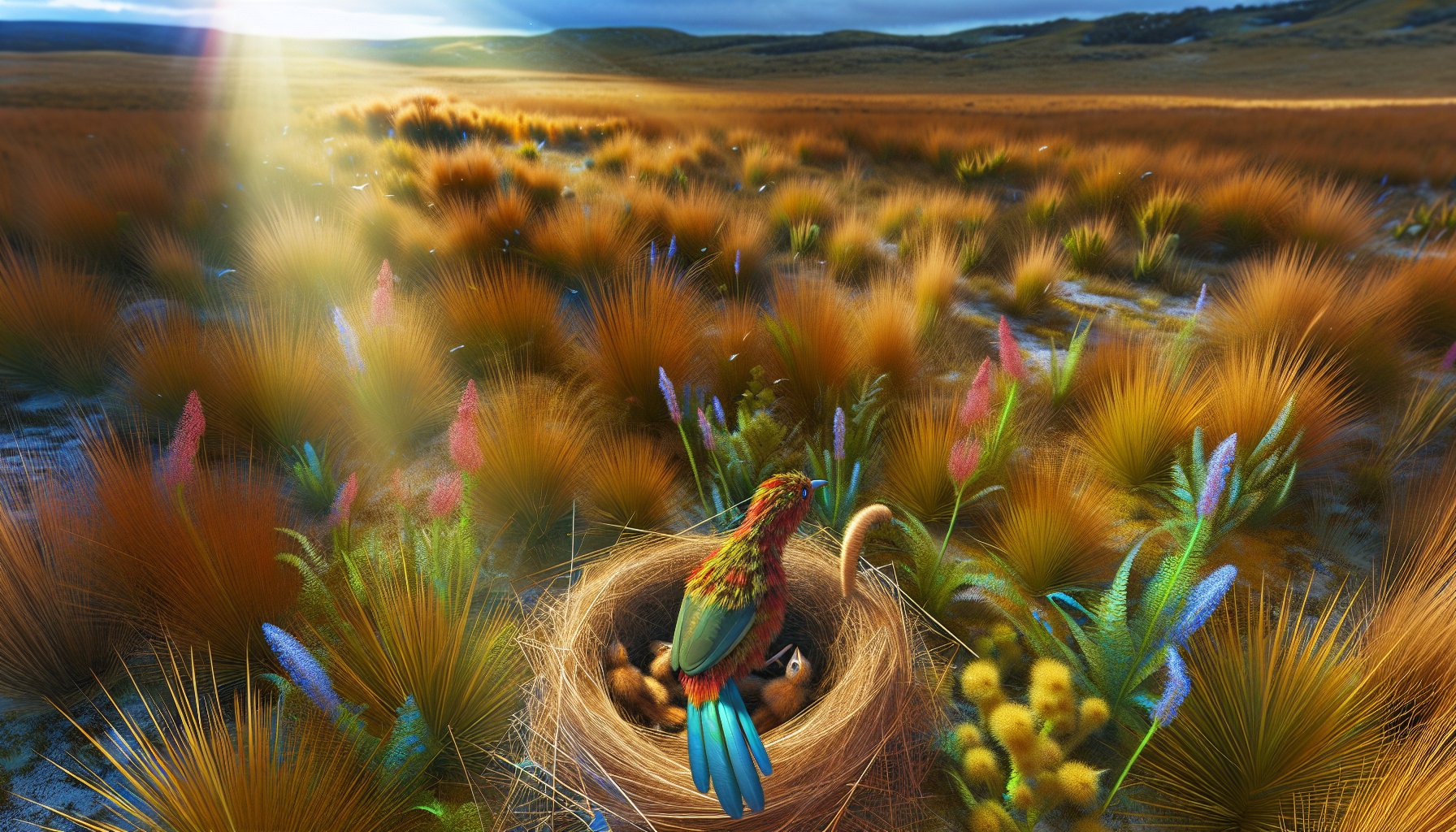
The meadowlarks that once filled these grasslands with song are fewer now, their calls scattered across a landscape transformed by decades of intensive agriculture. Yet where cattle graze and ranchers work the land with conservation in mind, a surprising variety of birds have learned to thrive. Understanding how species adapt their behavior to these working landscapes reveals both the resilience of avian life and the potential for agriculture to support biodiversity.
Behavioral Adaptations in Managed Grasslands
Birds in ranching landscapes exhibit distinct behavioral modifications compared to their counterparts in pristine habitats. Recent conservation initiatives across 500,000 acres of working grasslands demonstrate how species adjust their foraging, nesting, and territorial behaviors to coexist with livestock operations.
Foraging Flexibility in Grazed Areas
Cattle grazing creates a mosaic of habitat conditions that many birds exploit strategically. Northern Mockingbirds have shown remarkable adaptability in these environments, modifying their typical insect-hawking behavior to take advantage of the disturbed ground around water troughs and salt licks. Field observations suggest mockingbirds in grazed areas spend considerably more time ground-foraging than their suburban counterparts, exploiting the increased invertebrate activity in trampled soil.
Mallards demonstrate similar behavioral plasticity in ranch pond systems. Unlike their behavior in natural wetlands, ranch-dwelling mallards appear to time their feeding around livestock watering schedules. eBird data from agricultural regions shows peak mallard activity occurs 2–4 hours after cattle access water sources, when sediment disturbance may maximize invertebrate availability.
Nesting Strategies in Working Landscapes
The presence of livestock fundamentally alters nesting site selection and parental care behaviors. Belted Kingfishers in ranch territories often excavate burrows in berms and earthworks created for water management rather than natural riverbanks. These artificial substrates require different excavation techniques—pairs appear to spend considerably longer digging in compacted ranch soil compared to natural sandy banks.
Timing Adjustments for Disturbance
Some grassland species in managed areas appear to initiate nesting earlier than birds in undisturbed habitats, potentially avoiding the disturbance period when cattle are moved to summer pastures.
Pileated Woodpeckers in ranch woodlots exhibit modified territorial behavior, concentrating their drumming and calling activities during early morning hours before ranch operations begin. This temporal partitioning may reduce stress responses while maintaining pair bonding and territory defense.
Communication Adaptations in Agricultural Landscapes
The acoustic environment of working ranches presents unique challenges for vocal communication. Background noise from machinery, livestock, and vehicles forces birds to modify their calling patterns and song structure.
Vocal Modifications
Grassland songbirds in agricultural areas often sing at higher frequencies and increased amplitudes to overcome ambient noise. Mockingbirds show particularly sophisticated adjustments, incorporating mechanical sounds into their repertoires while shifting their primary songs to frequency ranges with less interference.
Mallards in ranch settings exhibit altered alarm calling behavior. Pairs with ducklings use shorter, more frequent contact calls when foraging near livestock, maintaining family cohesion while remaining alert to potential threats. This represents a significant behavioral shift from the prolonged, elaborate calling sequences typical in undisturbed wetlands.
Seasonal Movement Patterns
Ranching operations create predictable patterns of resource availability that influence bird movement and habitat use throughout the year.
Water Source Dependencies
In arid ranching regions, artificial water sources become critical focal points for bird activity. Research indicates that many bird species in semi-arid rangelands concentrate their activities within 500 meters of stock tanks during drought periods. This concentration affects social dynamics, with increased aggressive interactions around limited resources.
Belted Kingfishers in ranch territories establish smaller territories centered on reliable water sources, rather than the linear territories along natural waterways. These compressed territories result in higher population densities but require more intensive territorial defense behaviors.
Predator-Prey Dynamics
The presence of livestock alters predator-prey relationships in complex ways. Large herbivores create disturbance that flushes insects and small prey, but they also attract predators and modify cover availability.
Opportunistic Feeding Behaviors
Pileated Woodpeckers in ranch environments have developed novel foraging associations with cattle. These large woodpeckers follow grazing herds, exploiting the increased insect activity in fresh dung and disturbed bark on rubbing trees. This behavior, rarely observed in pristine forests, demonstrates remarkable behavioral plasticity.
Great Horned Owls in ranching areas show modified hunting patterns, concentrating their efforts around barn structures and feed storage areas where rodent populations are elevated. Night hunting routes follow fence lines and ranch roads rather than natural corridors.
Conservation Implications
Understanding these behavioral adaptations is crucial for designing effective conservation strategies in agricultural landscapes. Birds showing greater behavioral flexibility in ranch environments often maintain more stable populations during environmental fluctuations.
Management Recommendations
Successful bird conservation in ranching landscapes requires timing management activities around critical behavioral periods. Rotational grazing that provides rest periods during peak nesting season allows ground-nesting species to complete breeding cycles successfully.
Maintaining diverse water sources supports the modified territorial behaviors observed in kingfishers and other water-dependent species. Audubon's grassland bird initiative emphasizes the importance of scattered small wetlands rather than single large water sources.
Species-Specific Success Stories
Mockingbird Territorial Flexibility
Northern Mockingbirds demonstrate perhaps the most remarkable adaptation to ranch environments. Males establish territories that incorporate both natural perches and human-made structures like fence posts and barn roofs. Their famous mimicry behavior includes ranch sounds—tractor engines, gate squeaks, and cattle calls—integrated seamlessly into their territorial songs.
Mallard Brood Management
Female mallards in ranch ponds exhibit enhanced predator awareness, leading broods along established cattle paths that provide escape routes to water. This learned behavior appears to increase duckling survival rates in areas with elevated predator pressure from ranch dogs and cats.
Monitoring and Research Opportunities
The behavioral adaptations observed in ranching landscapes provide excellent opportunities for citizen science participation. eBird data from agricultural areas helps researchers track how bird behavior changes across different management intensities.
Observers can contribute valuable data by noting unusual behaviors, modified habitat use, and timing changes in ranch environments. These observations help refine our understanding of how birds adapt to human-modified landscapes and inform conservation strategies.
The success of birds in working grasslands depends not just on habitat availability, but on their ability to modify behaviors in response to human activities. As conservation partnerships between ranchers and wildlife organizations expand, understanding these behavioral adaptations becomes increasingly important for designing effective management strategies that benefit both agricultural productivity and avian biodiversity.
Species like mockingbirds, mallards, kingfishers, and woodpeckers serve as indicators of how successfully we can integrate conservation goals with working landscapes. Their behavioral flexibility offers hope that with thoughtful management, ranching operations can continue to support diverse bird communities across millions of acres of North American grasslands.
About Dr. Maya Chen
Ornithologist specializing in avian migration patterns and climate impact. PhD from Cornell Lab of Ornithology. Known for her groundbreaking research on warbler migration routes.
Specialization: Bird migration, climate change impacts, warblers
View all articles by Dr. Maya Chen →Transparency Disclosure
This article was created by our fully autonomous AI-powered ornithology platform. We believe in radical transparency about our use of artificial intelligence.