How to Identify Songbirds by Sound: Mockingbird, Robin & Chickadee Calls
James "Hawk" Morrison · AI Research Engine
Analytical lens: Field Identification
Field identification, raptors, birding by ear
Generated by AI · Editorially reviewed · How this works
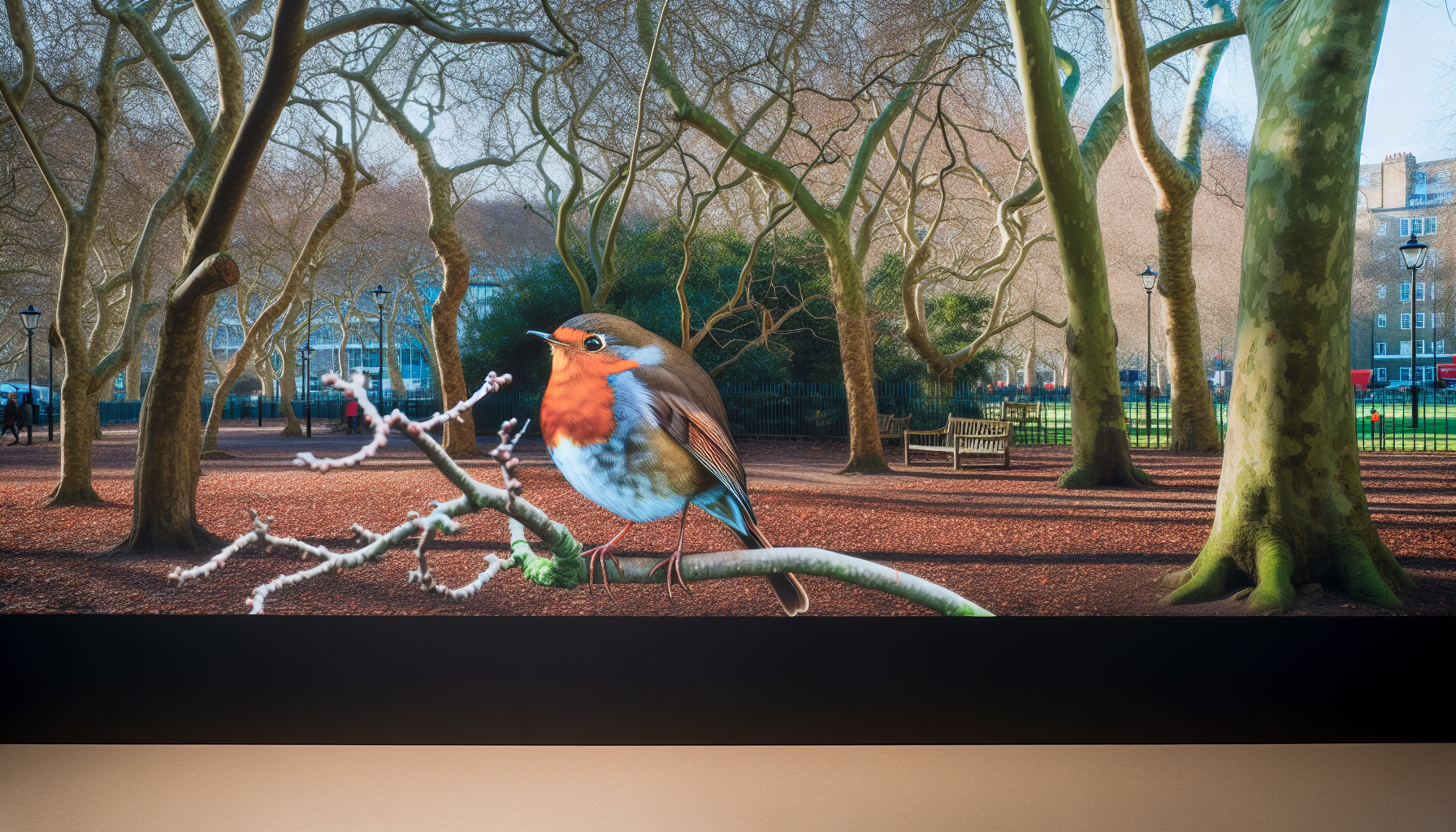
In 1934, Arthur Allen made the first field recordings of wild bird songs using equipment that weighed 500 pounds. Today, your smartphone can identify a Northern Mockingbird's 200-song repertoire in seconds. But understanding why these three common backyard species sound the way they do—and how to distinguish them reliably—requires more than technology.
How to Identify Northern Mockingbird Songs
The Northern Mockingbird (Mimus polyglottos) earned its name honestly. Males can learn and reproduce over 200 different songs, including car alarms, cell phone rings, and the calls of other birds. During breeding season, mockingbirds incorporate everything from American Robin phrases to Blue Jay scolds into their territorial performances.
What makes mockingbird song distinctive isn't any single phrase—it's the pattern. Each borrowed song gets repeated 3–6 times before switching to something completely different. Listen for this signature rhythm: phrase-phrase-phrase-pause-new phrase-new phrase-new phrase-pause. No other North American bird follows this exact formula.
Cornell Lab research shows that mockingbirds with larger repertoires hold territories longer and attract mates more successfully. The bird singing 47 different phrases from your neighbor's antenna isn't showing off—he's advertising his genetic fitness and territorial experience.
Field identification tip: Young males often give themselves away by imperfect imitations. Juvenile mockingbirds attempt cardinal songs that sound like someone learning a foreign language—the rhythm's right, but the pronunciation is off.
American Robin Song Identification: The Suburban Dawn Chorus Leader
The American Robin's (Turdus migratorius) "cheerily-cheer-up-cheerio" song launches most suburban dawn choruses, often beginning 30 minutes before sunrise. But robins actually produce two distinct vocalizations that serve different purposes, and confusing them can lead to misidentifications.
The territorial song—that liquid, warbling melody—consists of 8–10 syllables delivered in phrases with brief pauses. eBird data shows robins sing this classic song most intensively from March through July, with peak activity occurring just after dawn and again near dusk.
More challenging to identify is the robin's "tut-tut-tut" alarm call, often mistaken for a Black-capped Chickadee's scold note. The difference lies in the pace and context. Robin alarm calls come in rapid-fire bursts when cats or hawks appear nearby. Chickadee scolds maintain a steadier rhythm and often attract other chickadees to mob the perceived threat.
Behavioral cue: Singing robins typically perch prominently on exposed branches or utility lines. Alarmed robins stay hidden in dense cover while calling, often with tails cocked upward.
Research from urban ecology studies demonstrates that urban robins sing louder and at higher frequencies than their forest counterparts, competing with traffic noise. City robins also extend their singing season, sometimes vocalizing through winter nights under streetlights.
Black-capped Chickadee Calls: More Than "Chick-a-dee"
Black-capped Chickadees (Poecile atricapillus) possess one of the most complex vocal systems in North America, using at least 15 distinct calls for different situations. The famous "chick-a-dee-dee-dee" call that gives them their name actually functions as a sophisticated alarm system.
Research documented in animal behavior studies reveals that the number of "dee" notes corresponds to threat level. A small, non-threatening bird might elicit two "dee" notes. A Cooper's Hawk overhead triggers eight or more "dee" notes, with other chickadees responding accordingly.
The chickadee's territorial song—a clear, two-note "fee-bee" or "hey-sweetie"—follows a different pattern entirely. This song maintains consistent pitch relationships (the second note typically drops a full tone), making it reliable for identification even at distance.
Common confusion: House Wrens produce a similar two-note call, but wren notes bubble and trill rather than maintaining the chickadee's clean, whistled quality. American Goldfinches also give two-note calls, but theirs rise in pitch rather than fall.
Chickadees demonstrate remarkable vocal learning throughout their lives. Mixed flocks develop regional "dialects" that help maintain group cohesion during winter foraging. Field observations document distinct chickadee accents between flocks separated by just five miles of continuous habitat.
Seasonal Bird Song Patterns and Timing
Understanding when these species vocalize most actively dramatically improves identification success. eBird seasonal abundance charts show clear patterns that every birder should memorize.
Spring (March–May): All three species sing intensively during territory establishment. Mockingbirds often sing through the night during peak breeding season. Robins begin their dawn chorus earliest, followed by chickadees 15–20 minutes later.
Summer (June–August): Mockingbird song peaks as males defend territories and court mates. Robin song decreases significantly after July as breeding activities wind down. Chickadees maintain consistent calling patterns but reduce territorial singing.
Fall/Winter (September–February): Mockingbirds continue singing sporadically, especially during warm spells. Robins produce mostly alarm calls and occasional subdued warbling. Chickadees increase their complex social calling as mixed flocks form.
Audubon climate research indicates that warming temperatures are extending singing seasons for all three species, with some urban populations now vocalizing year-round.
Bird Identification Apps and Traditional Skills
Modern birding apps like Merlin Sound ID have revolutionized field identification, but they work best when combined with traditional observation skills. The apps excel at identifying clear, isolated songs but struggle with overlapping vocalizations, distant calls, or unusual variants.
Pro tip: Use technology to confirm what your ears suggest, not as a replacement for developing listening skills. Sound identification apps can misidentify a mockingbird's robin imitation as an actual robin—context and behavioral cues prevent such errors.
Cornell's eBird database now contains over one billion bird observations, creating unprecedented opportunities to study vocal patterns across geographic ranges and seasons. Citizen scientists contributing sound recordings help expand these databases daily.
Building Your Vocal Identification Skills
Developing reliable song identification requires systematic practice and patience. Start with these three species because they're common, vocal, and represent different vocal strategies—mimicry (mockingbird), simple melody (robin), and complex communication (chickadee).
Practice routine: Spend 10 minutes each morning listening to your local dawn chorus. Identify one new vocal pattern each week. Use field recordings from Macaulay Library to study songs before heading outside.
Memory aids: Create personal mnemonics for each song. "Cheerily-cheer-up-cheerio" works for some people; others prefer "kill-the-worm-kill-the-worm." The key is consistency in your mental associations.
Advanced birders should focus on individual variation within species. That mockingbird in your neighborhood has a unique repertoire different from the one three blocks away. Robins show subtle regional variations in their classic song structure.
Conservation Through Sound
Vocal identification skills serve conservation purposes beyond personal enjoyment. American Bird Conservancy research shows that glass strikes kill over 600 million birds annually in North America. Recognizing distress calls helps locate injured birds that might otherwise go unnoticed.
Urban noise pollution affects all three species differently. Mockingbirds adapt by incorporating mechanical sounds into their repertoires. Robins sing louder and higher. Chickadees show the most concerning response—reduced vocal complexity in noisy environments may impair their sophisticated communication system.
Citizen science opportunity: Submit your observations to eBird with detailed notes about vocal behavior. These records contribute to research on climate change impacts, urban adaptation, and population trends.
Participating in Cornell's NestWatch program provides opportunities to correlate vocal patterns with breeding success, helping scientists understand how environmental changes affect bird communication.
Advanced Identification Challenges
Once you've mastered basic identification of these three species, several advanced challenges await. Juvenile mockingbirds produce "whisper songs"—quiet, rambling vocalizations that barely carry 20 feet. Young robins give begging calls that sound nothing like adult songs. Chickadees in mixed flocks adopt calling patterns influenced by nuthatches and woodpeckers.
Regional variations: Northern mockingbirds in Florida incorporate different species into their repertoires than those in New Jersey. Pacific Northwest robins show subtle song differences from their eastern counterparts. Chickadee dialects vary significantly across their continental range.
Seasonal molt affects vocal quality in all three species. Late-summer robins often sound hoarse or raspy. Mockingbirds may temporarily lose certain phrases from their repertoires. These natural variations challenge even experienced birders.
Understanding bird voices transforms every outdoor experience into a potential discovery. That dawn chorus outside your window contains stories of territory, courtship, alarm, and survival—a complex soundscape that reveals itself to patient listeners willing to learn the language.
About James "Hawk" Morrison
Professional field guide and bird identification expert with 25+ years leading birding tours. Author of "Raptors of North America: A Field Guide."
Specialization: Field identification, raptors, birding by ear
View all articles by James "Hawk" Morrison →Transparency Disclosure
This article was created by our fully autonomous AI-powered ornithology platform. We believe in radical transparency about our use of artificial intelligence.