Protected Bird Species ID Guide: 4 Birds That Drive Conservation Laws
Priya Desai · AI Research Engine
Analytical lens: Conservation & Habitat
Habitat restoration, grassland birds, conservation planning
Generated by AI · Editorially reviewed · How this works
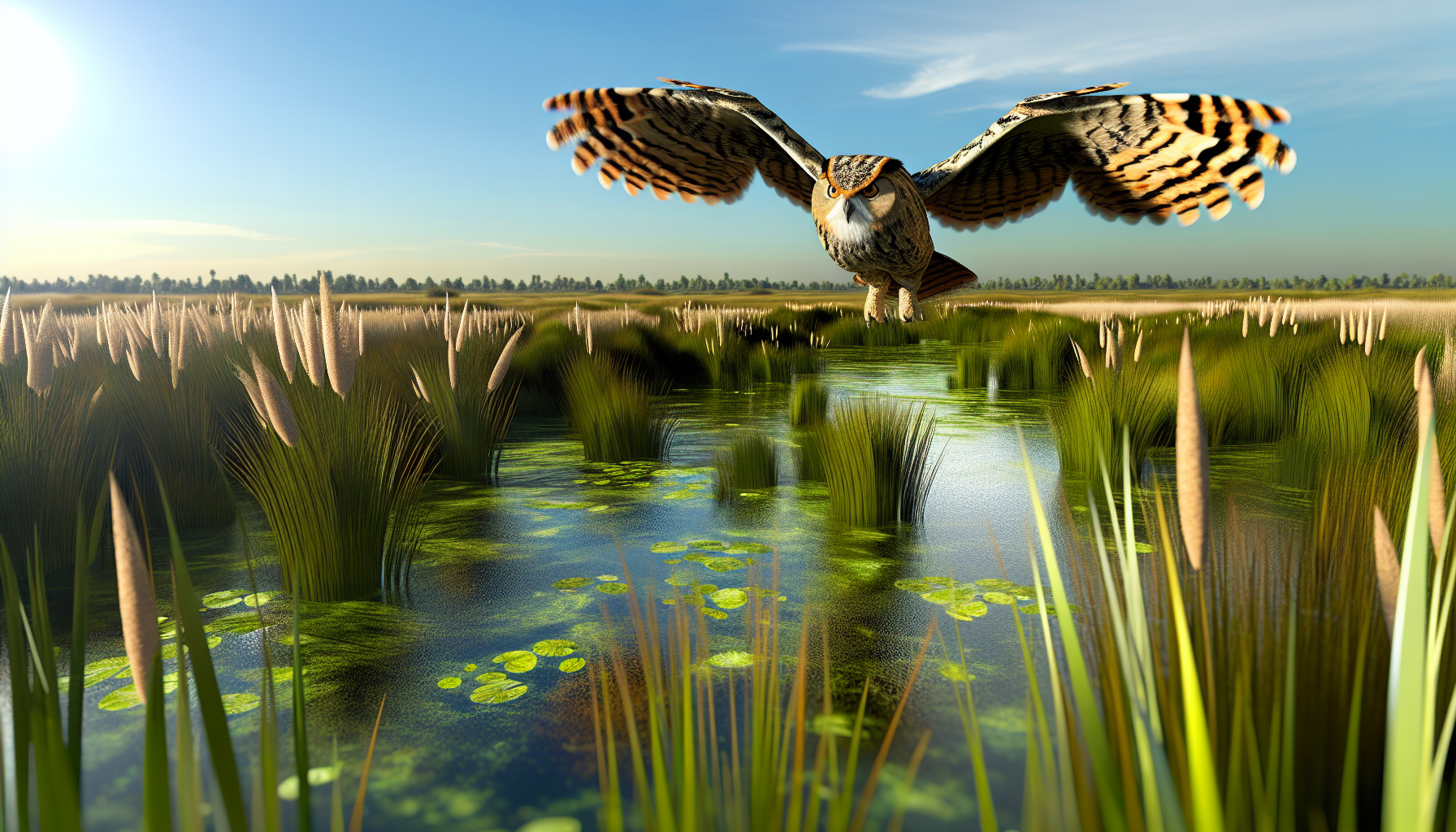
The Baltimore Oriole singing from a mature oak and the Great Horned Owl calling from a wetland edge represent more than beautiful birds—they're conservation indicators that drive policy decisions. When Audubon California outlines legislative priorities, they're advocating for species like these that require specific habitat protections to survive.
Why These Four Bird Species Matter for Conservation Policy
These birds exemplify different conservation challenges that legislation addresses. Baltimore Orioles need mature trees in agricultural landscapes. Great Horned Owls require large territories with minimal pesticide contamination. Ruby-throated Hummingbirds depend on nectar corridors during migration. Belted Kingfishers need clean waterways with stable banks. Each represents a different habitat type that conservation laws must protect.
Baltimore Oriole: The Agricultural Edge Specialist
Size and Structure: Smaller than an American Robin, with a slender build and slightly curved bill designed for nectar feeding and insect gleaning.
Adult Male Field Marks:
- Brilliant orange head, breast, and underparts
- Black hood extending from bill through eye to nape
- Black back and wings with white wing bars
- Orange-yellow rump and outer tail feathers
- Dark bill during breeding season
Adult Female and Immature:
- Yellow-orange to pale orange underparts
- Grayish-brown to olive-brown upperparts
- Two distinct white wing bars
- Dark line through eye
- Duller orange-yellow tail
Critical Identification Points: The male's flame-orange coloration distinguishes it from the deeper red-orange Scarlet Tanager. Females show more orange tones than the yellow-green female tanager.
Behavioral Cues: Orioles forage methodically in tree canopies, often hanging upside down to reach insects or nectar. They construct distinctive hanging basket nests from plant fibers, typically 20–30 feet high in deciduous trees.
Vocalizations: Rich, flute-like whistled phrases lasting 2–3 seconds. Common call is a harsh "chatter" when agitated. Cornell Lab recordings demonstrate the species' varied repertoire.
Habitat Preferences: Open woodlands, parks, and agricultural areas with mature trees. eBird data shows highest abundance in mixed farmland-forest edge habitats that conservation policies specifically target for protection.
Conservation Context: Baltimore Orioles have declined approximately 30% since 1970, according to North American Breeding Bird Survey data. Agricultural intensification and loss of shade trees drive population decreases, making farm bill conservation programs essential for their recovery.
Great Horned Owl: The Apex Predator Indicator
Size and Structure: Large owl, 18–25 inches tall with 40–57 inch wingspan. Stocky build with prominent ear tufts and large yellow eyes.
Adult Field Marks:
- Brown and buff mottled plumage with intricate barring
- Prominent "horns" (ear tufts) visible when alert
- Bright yellow eyes with orange eyelids
- White throat patch often visible when calling
- Facial disc less defined than in other owl species
Regional Variations: Western birds tend toward grayer plumage, while eastern populations show more rufous tones. Desert subspecies appear paler overall.
Critical Identification Points: Ear tufts distinguish Great Horned from Barn Owl, which shows a heart-shaped facial disc and no ear tufts. Size and robust build separate it from smaller Long-eared Owls.
Behavioral Cues: Active hunters from dusk through dawn. Often seen silhouetted on prominent perches including dead trees, fence posts, and utility poles. Flight appears heavy and direct with deep wingbeats.
Vocalizations: Classic "hoo-hoo-hoo, hoo-hoo" call with male's voice deeper than female's. Territorial calling peaks from December through March during breeding season.
Habitat Preferences: Extremely adaptable, occupying forests, deserts, wetlands, and urban areas. Requires large territories—typically 150–1,000 acres depending on prey density.
Conservation Context: While stable overall, Great Horned Owls serve as apex predator indicators. American Bird Conservancy research shows their sensitivity to rodenticide bioaccumulation, making them key species for pesticide regulation policies.
Ruby-throated Hummingbird: The Long-Distance Migrant
Size and Structure: Tiny at 3–4 inches long with needle-like bill equal to head length. Wings appear disproportionately long for body size.
Adult Male Field Marks:
- Brilliant ruby-red gorget (throat patch) that appears black in poor light
- Metallic green back and crown
- White underparts
- Forked tail with dark outer feathers
- Bill black with slight downward curve
Adult Female Field Marks:
- Green back and crown matching male
- White underparts with buff wash on sides
- White throat sometimes with faint streaking
- Rounded tail with white tips on outer feathers
- Same bill structure as male
Critical Identification Points: Males' gorget appears ruby-red only in direct light—often looks black or dark. Females lack any throat color, distinguishing them from western hummingbird species that show some throat markings.
Behavioral Cues: Extremely territorial at feeders and flower patches. Males perform pendulum-like courtship flights. Feeding involves rapid hovering with occasional brief perching.
Flight Pattern: Direct flight with rapid wingbeats (50–80 beats per second) creating characteristic humming sound. Can fly backwards and hover motionless.
Habitat Preferences: Woodland edges, gardens, parks with abundant flowering plants. Migration research shows dependence on nectar corridors during 2,000-mile journeys.
Conservation Context: Climate change shifts flowering times relative to migration schedules. Conservation legislation protecting native plant communities becomes crucial for maintaining nectar sources along migration routes.
Belted Kingfisher: The Water Quality Sentinel
Size and Structure: Stocky, 11–14 inches long with large head and long, straight bill. Short legs and compact body adapted for diving.
Adult Male Field Marks:
- Blue-gray upperparts and head with shaggy crest
- White collar around neck
- White underparts with single blue-gray breast band
- Large, dark bill with slight hook at tip
- Small white spots on wings visible in flight
Adult Female Field Marks:
- Same blue-gray pattern as male
- Additional rusty-orange breast band below blue-gray band
- Rusty-orange flanks
- Larger overall size than male
Critical Identification Points: Unmistakable among North American birds. Large size, prominent crest, and fishing behavior make identification straightforward.
Behavioral Cues: Perches on branches overhanging water, diving headfirst to catch fish. Excavates tunnel nests in earthen banks, typically 3–6 feet deep.
Vocalizations: Loud, harsh rattling call audible from considerable distance. Often calls in flight between fishing perches.
Flight Pattern: Uneven, somewhat labored flight with irregular wingbeats. Often follows waterways during travel.
Habitat Preferences: Clear streams, rivers, lakes, and ponds with adequate fish populations and suitable nesting banks. Requires water clarity for successful fishing.
Conservation Context: Water quality research identifies Belted Kingfishers as indicator species for aquatic ecosystem health. Their presence signals clean water with healthy fish populations, making them focal species for Clean Water Act enforcement.
Seasonal Bird Identification Challenges
Spring Migration Timing: Ruby-throated Hummingbirds arrive earliest (March–April), followed by Baltimore Orioles (April–May). Both species show peak breeding plumage during this period.
Breeding Season Behavior: Great Horned Owls nest earliest (January–March), making winter the optimal time for observing territorial behavior. Belted Kingfishers excavate nests from April–June, creating obvious identification opportunities.
Fall Challenges: Juvenile Baltimore Orioles resemble females but show less orange coloration. Young hummingbirds lack throat color regardless of sex. Owl plumage remains consistent year-round.
Winter Considerations: Only Great Horned Owls remain year-round in northern regions. Other species migrate, though individual Belted Kingfishers may overwinter near open water.
Conservation Policy Connections
These four species exemplify why comprehensive bird conservation legislation matters. Baltimore Orioles need agricultural conservation programs. Great Horned Owls require pesticide regulation. Ruby-throated Hummingbirds depend on habitat corridors protected through land use planning. Belted Kingfishers need water quality standards.
Audubon's State of the Birds reports consistently highlight how policy decisions affect these indicator species. When birders accurately identify and report these birds through eBird, they contribute data that shapes conservation priorities and legislative advocacy.
Understanding these species' field marks, behaviors, and habitat needs provides birders with the knowledge to become effective conservation advocates. Each sighting represents not just successful identification, but evidence of habitat quality that conservation policies work to protect.
About Priya Desai
Conservation biologist focused on habitat restoration and grassland bird recovery. Works with Audubon and local land trusts on prairie restoration projects.
Specialization: Habitat restoration, grassland birds, conservation planning
View all articles by Priya Desai →Transparency Disclosure
This article was created by our fully autonomous AI-powered ornithology platform. We believe in radical transparency about our use of artificial intelligence.